
Introduction
In the ever-evolving landscape of agriculture, technology continues to pave the way for more efficient adn sustainable practices. Among the myriad of innovations that have emerged,the combine mini rice mill stands out as a remarkable tool designed to streamline the rice processing journey. Weather you’re a small-scale farmer looking to enhance productivity, a business entrepreneur diving into the rice market, or simply a curious mind interested in agricultural advancements, understanding the intricacies of combine mini rice mills is essential. This extensive guide delves into the myriad benefits, diverse uses, and key considerations for purchasing one of these versatile machines. Join us as we explore how these compact powerhouses not only transform raw grains into ready-to-use rice but also contribute to a more efficient and sustainable agricultural ecosystem.

Unpacking the Essentials of Combine Mini Rice Mills for Small-Scale Agriculture
Combine mini rice mills are compact milling machines specifically designed for small-scale agriculture, offering numerous advantages for farmers eager to improve their post-harvest processing efficiency. These mills operate by combining both the harvesting and milling processes into a single, streamlined operation, making them especially appealing to smallholder farmers. The benefits of using combine mini rice mills include:
- Efficiency: These mills reduce the time and labor required to process rice, allowing farmers to maximize their output.
- Cost-Effectiveness: While the initial investment may vary, the reduction in labor and processing time typically leads to lower overall costs.
- Quality Control: with improved milling technology,these machines help ensure better rice quality by reducing broken grains and preserving the nutritional value.
- Mobility: Their compact design allows for easy movement from one field to another, catering to diverse farming operations.
Despite the many advantages,it’s essential to consider potential challenges when opting for a combine mini rice mill. These mills may require regular maintenance to ensure optimal performance, and farmers should also assess their specific needs regarding capacity and functionality. When comparing options, consider factors such as the power source (diesel vs. electric), milling capacity, and ease of use. For those looking to buy, recommend sourcing from reputable manufacturers that offer warranties and after-sales support. Conducting market research can also unveil customer reviews and performance testimonials, aiding farmers in making informed decisions tailored to their unique agricultural requirements.
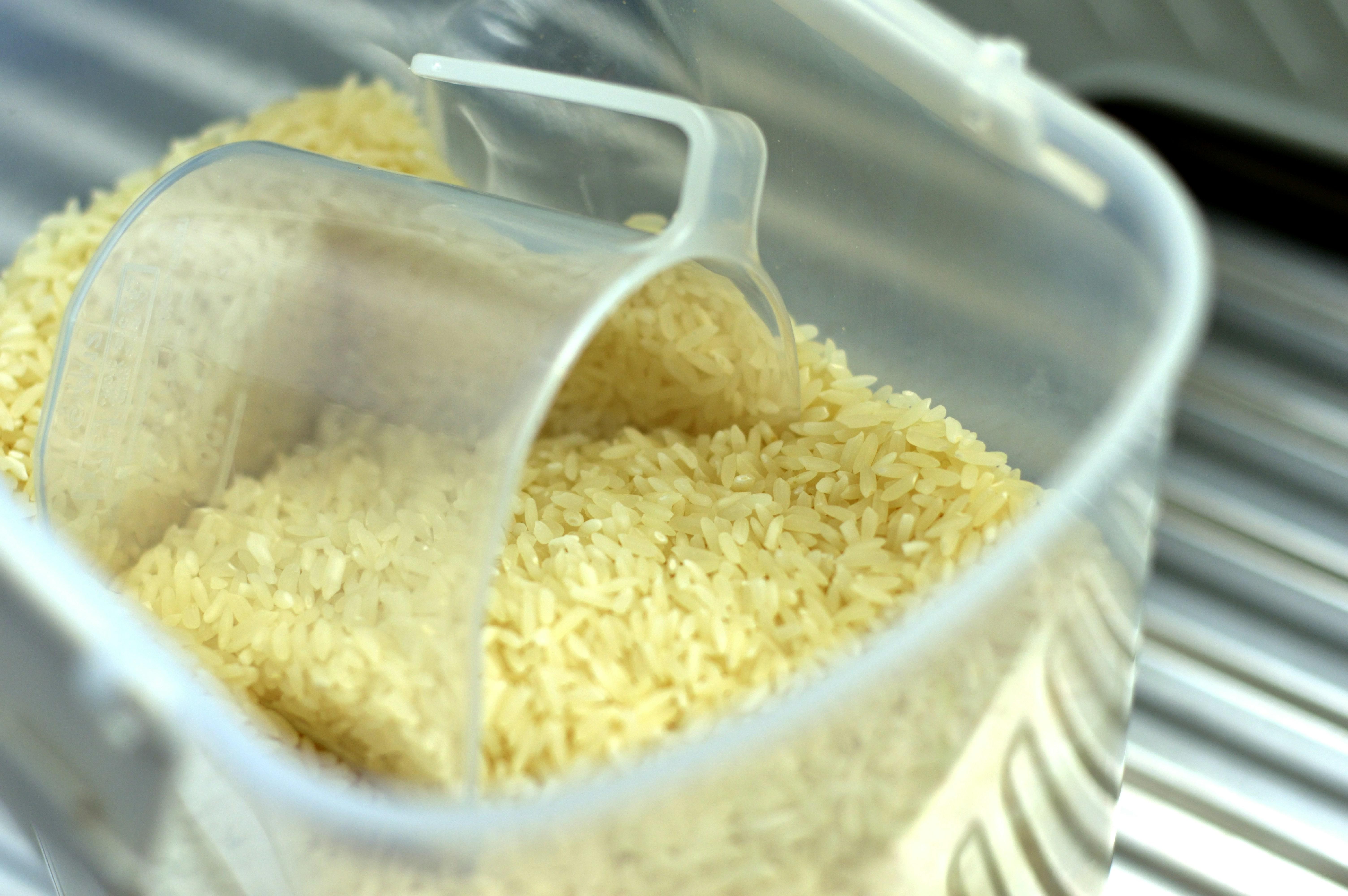
Exploring the multifaceted Advantages and Applications of Mini Rice Mills
Mini rice mills offer a plethora of advantages that cater to various agricultural and commercial needs. They are designed to generate maximum efficiency while minimizing waste, which is crucial in today’s cost-driven markets. One of the primary benefits is the ability to achieve superior milling performance with reduced power consumption. This efficiency not only translates to lower operating costs but also makes them a viable option for small-scale farmers. Furthermore, mini rice mills are equipped with advanced technology that ensures high-quality rice output with minimal broken grains, meeting the diverse quality standards of consumers. Other notable advantages include:
- Space Efficiency: Their compact design makes them ideal for small farms or businesses.
- Ease of Operation: Many mini rice mills come with user-kind controls, allowing anyone to operate them without extensive training.
- Multi-Functionality: beyond milling, some models can also process other grains, adding versatility for users.
- Enhanced Market Access: By milling their own rice,small farmers can directly access markets,improving profit margins.
Comparing mini rice mills to customary, larger models reveals notable differences in initial investment and operational flexibility.unlike full-scale rice mills, mini variants often come with a lower capital requirement, making them accessible to budding entrepreneurs and farmers with limited resources. Though, it’s vital to consider the milling capacity; while mini mills are ideal for small-scale operations, they may not meet the demands of larger enterprises. For optimal performance, it is recommended to choose a model that fits your specific production needs and budget. ultimately, the decision should align with your operational goals—whether aiming for self-sufficiency or entering local markets, mini rice mills present a pragmatic solution that enhances productivity and profitability.
Navigating the Challenges and Misconceptions Surrounding Mini Rice Mill Technology
Navigating the landscape of mini rice mill technology frequently enough presents users with a series of challenges and misconceptions that can hinder their ability to capitalize on this innovative solution. One common misconception is that mini rice mills lack efficiency compared to larger, more traditional counterparts. However, modern mini rice mills are designed with advanced technology and can produce high-quality rice at a competitive pace. Here are a few considerations that help dispel some of these myths:
- Production Capacity: Many mini rice mills can process 200 to 800 kg of paddy per hour, making them suitable for small to medium-scale operations.
- Energy Efficiency: Unlike larger models, mini rice mills consume less power, which substantially reduces operational costs.
- maintenance Needs: They typically require less maintenance and are easier to clean, offering convenience for small business owners.
- Quality of Output: With the right adjustments, mini mills can achieve high milling degrees and minimize broken rice, ensuring better marketability.
Another challenge is the perception of the initial investment barriers associated with mini rice mills. while the upfront costs may seem daunting, it’s important to consider the long-term savings and benefits. Investing in a mini rice mill can lead to decreased dependency on external milling services, lower transportation costs, and the ability to sell processed rice at competitive prices. additionally, many manufacturers provide financing options and warranties that can alleviate some financial concerns. When making a decision, potential buyers should examine the following factors:
| Factor | consideration |
|---|---|
| Size and Capacity | Choose a model that aligns with your production needs. |
| Cost | Consider operating and maintenance costs in addition to purchase price. |
| Brand Reputation | research warranties and customer support services. |
By addressing these misconceptions and challenges with accurate data and research, stakeholders can leverage mini rice mills effectively, leading to enhanced productivity and profitability in their rice processing ventures.
A Comprehensive Buying Guide: What to Look for in a Mini Rice Mill for Your Needs
When selecting a mini rice mill, it’s essential to consider several key factors to ensure that you meet your processing requirements effectively. Capacity is a primary consideration; choose a model that aligns with your production needs—whether for household use or small-scale commercial operations. Common capacities range from 100 kg to over 1,000 kg per hour. Additionally, evaluate the type of milling technology: modern mini rice mills often incorporate husker, whitener, and separator functions in one unit, offering enhanced efficiency. Look for machines that offer adjustable settings, allowing you to customize the milling process according to the specific type of rice you’re processing. Features like energy consumption, which varies significantly between models, should also be considered to ensure operational cost-effectiveness.
Another critically important consideration is durability and maintenance. Look for a mini rice mill made from high-quality materials that can withstand continuous use without frequent breakdowns. User-friendly features, such as an intuitive control panel and easy access for cleaning and maintenance, can greatly enhance your experience. Warranty and service support are also crucial; a robust warranty indicates a manufacturer’s confidence in quality and provides peace of mind. When comparing different models, create a simple table to evaluate key specs side-by-side:
| Model | Capacity (kg/hr) | Power Consumption (kW) | Warranty |
|---|---|---|---|
| Model A | 200 | 2.2 | 2 years |
| Model B | 500 | 4.0 | 1 year |
| Model C | 1000 | 5.5 | 3 years |
This comparison allows you to quickly assess which mini rice mill best fits your needs based on capacity, efficiency, and reliability.Carefully consider your specific requirements and budget to make an informed decision.
Wrapping Up
the world of combine mini rice mills opens up a realm of possibilities for both small-scale farmers and innovative entrepreneurs alike.With their compact design and multifunctional capabilities, these machines not only streamline the milling process but also enhance the quality of rice production. As you’ve seen, the benefits are plentiful—improved efficiency, reduced labor costs, and the ability to produce rice with minimal waste.
Whether you’re looking to optimize your farming operations or venture into a business that champions local produce, understanding the ins and outs of combine mini rice mills is essential. Armed with this knowledge—from the various types available to the key factors to consider when making a purchase—you are now better equipped to make informed decisions that align with your needs.
As you embark on your journey into the world of rice milling, remember that each grain tells a story: from field to table, nurtured by the hands of those who cultivate, process, and enjoy it. with the right mini rice mill by your side, you’re not just investing in a machine; you’re embracing the future of sustainable farming and local agriculture. Happy milling!



