
In the heart of agricultural innovation lies a transformative tool that is reshaping the landscape for small-scale farmers: the mini rice milling machine.As the rice economy flourishes, these compact marvels are not just revolutionizing conventional farming practices but also empowering farmers with new opportunities for growth adn sustainability. With their ability to elevate the quality and marketability of produce, mini rice milling machines are quickly becoming indispensable allies for those who cultivate the land. In this comprehensive guide,we will explore the myriad benefits these machines offer,from enhancing efficiency and reducing labor costs to promoting self-sufficiency and improving crop value. Join us as we delve into the world of mini rice milling and uncover how these machines can unlock new horizons for small-scale farmers everywhere.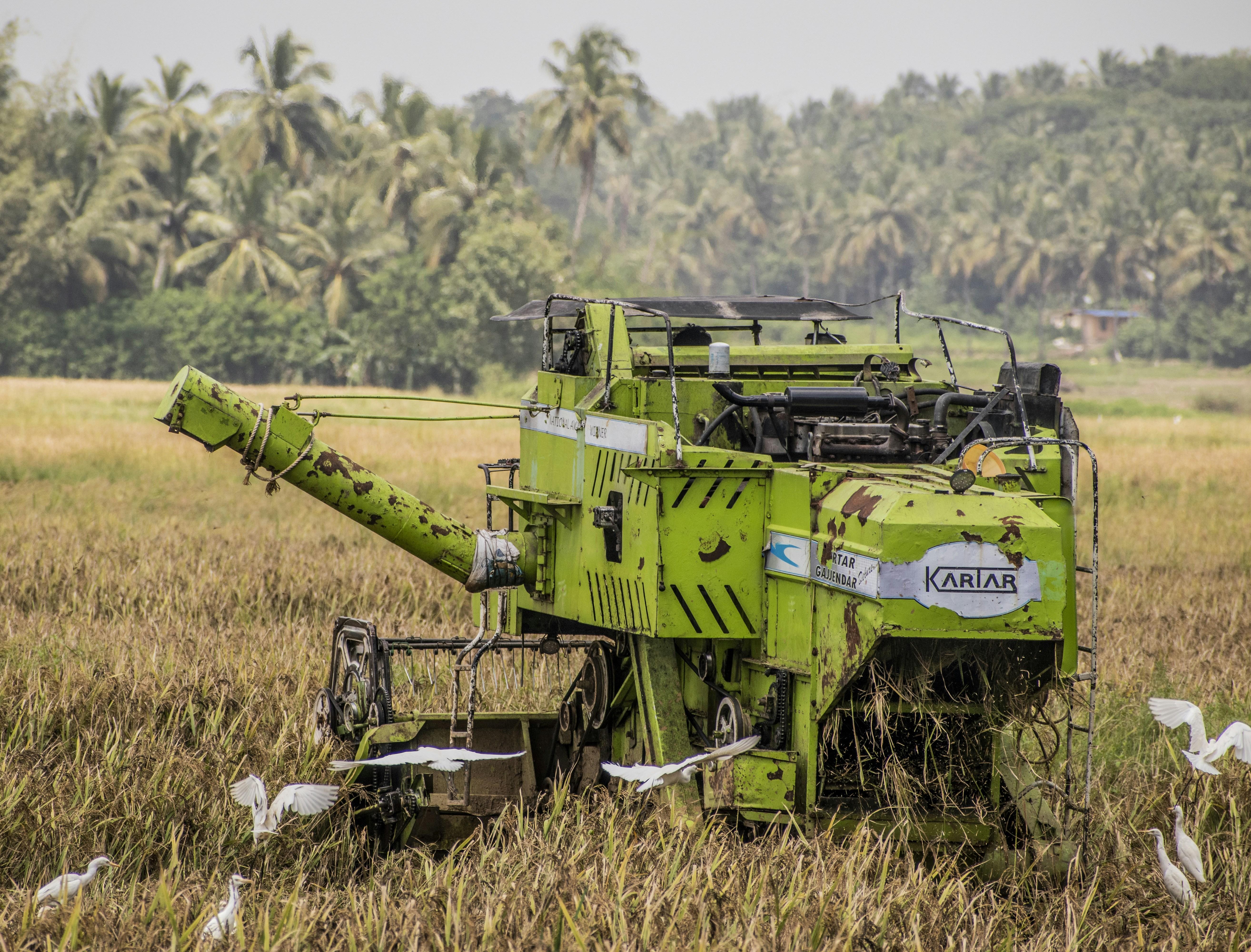
Understanding Mini Rice Milling Machines and Their Impact on Small-Scale Agriculture
Mini rice milling machines have emerged as a transformative technology for small-scale farmers, particularly in regions where rice is a staple crop. These compact and efficient devices are designed to streamline the rice milling process, which traditionally required considerable labor and time. By automating tasks such as husking and polishing, mini rice mills not only reduce production costs but also enhance the quality of the final product. Here are some of the primary benefits and features that make these machines indispensable in small-scale agriculture:
- Cost Efficiency: Mini rice milling machines typically have lower initial investments and operational costs compared to larger milling operations. They are fuel-efficient and consume less electricity,making them accessible for smallholder farmers.
- Improved Grain Quality: These machines are engineered to minimize grain breakage and maximize head rice yield, allowing farmers to produce higher quality rice that meets market standards.
- Ease of Use: The user-amiable design means that training is minimal, enabling farmers, including those with limited technical skills, to operate the equipment effectively.
- Time Saving: With a reduction in processing time, farmers can mill their rice more quickly, allowing them to meet market demands and reduce the time between harvest and sale.
However, potential challenges exist for small-scale farmers considering mini rice milling machines. Some may worry about the maintenance and durability of these machines, especially in rural settings where access to repair services is limited.It’s crucial to choose machines from reputable manufacturers who offer dependable customer support and warranty options. Additionally, comparing various models based on features, such as milling capacity, energy consumption, and ease of maintenance, can guide farmers in making informed purchasing decisions. Mini rice milling machines represent not only a vital asset for increasing productivity but also an possibility for small-scale farmers to thrive in competitive markets.

Unlocking Efficiency: The Advantages of Integrating Mini Rice Milling Machines in Your Farm
Integrating mini rice milling machines into your farming operation can substantially enhance your productivity and overall efficiency. These compact yet powerful tools provide several advantages,particularly for small-scale farmers who need to process rice without incurring the costs associated with larger,industrial milling systems. Here are some considerable benefits of using mini rice milling machines:
- Cost-Effective: Mini rice milling machines typically require a lower initial investment and incur minimal maintenance costs compared to larger units. This makes them accessible to small-scale farmers looking to optimize their operations.
- Space-Saving Design: Their compact size allows for easy installation in smaller setups, making them ideal for local farmers with limited space.
- Increased Efficiency: These machines can process rice quickly, reducing the time between harvesting and milling. This can help prevent spoilage and ensure higher quality rice.
- Customization: Many mini rice milling machines offer adjustable settings, allowing farmers to tailor the milling process to their specific preferences—whether that’s for different grain types or desired levels of polish.
Moreover, the introduction of mini rice milling machines can also led to improved rice quality. Traditional milling methods frequently enough leave more bran on the grain, which can affect taste and texture. With the precision of mini mills, farmers can achieve optimal milling results, which can lead to higher market value. To illustrate the advantages clearly:
| Feature | Mini Rice Milling Machines | Traditional Milling Methods |
|---|---|---|
| Processing Speed | High | Low |
| Cost | Low Initial Investment | Higher Costs |
| Quality of Rice | High & Customizable | Variable |
By making the transition to a mini rice milling machine,farmers not only improve their efficiency but also ensure a better product for consumers,ultimately leading to increased profitability and sustainability in their agricultural practices.
Choosing the Right Mini Rice Milling machine: A Guide to Smart selection and Common Misconceptions
When selecting a mini rice milling machine, it’s essential to consider several key factors that align with your operational needs and budget. Look for machines that offer versatility in processing, as they can handle different rice varieties and milling styles, providing greater adaptability for your business. The capacity of the machine is also crucial. You should assess your expected output—ranging from small-scale production of 100 kg per hour to larger setups that can produce up to 500 kg per hour. Additionally, consider features such as energy efficiency, ease of cleaning, and maintenance requirements. A machine that is user-friendly with readily available spare parts can save you time and costs down the line.
Common misconceptions about mini rice milling machines often revolve around their capabilities and longevity. Some may believe these machines are insufficient for commercial use, when in fact, many models are designed with robust components that ensure durability and high performance. It’s essential to compare reputable brands and read customer reviews to mitigate false notions. A practical approach is to create a checklist of must-have features, like:
- Electric vs. manual operation
- Quality of milling (whole grain vs. broken rice)
- Optional add-ons like polishers or huskers
By clarifying these elements and understanding the differences in milling technology—such as traditional versus modern methods—you can make a well-informed decision that enhances your rice production efficiency and economic viability.
Addressing Challenges in Small-Scale Rice Production: Solutions Offered by Mini Milling Technology
Small-scale rice production often faces meaningful challenges, including limited access to resources, higher processing costs, and inefficiencies in traditional milling methods. Mini milling technology effectively addresses these issues by providing smallholder farmers with a more accessible and efficient way to process their rice. Rather of relying on centralized milling facilities, which can be far away and expensive, farmers can invest in mini rice milling machines that are compact, easy to operate, and designed for low power consumption. This autonomy allows farmers to reduce transportation costs and time, ultimately leading to fresher rice and higher market value.
Additionally, mini rice milling machines are equipped with features that enhance overall productivity and quality of the final product. Here are some key benefits:
- Cost-effectiveness: Lower initial investment and maintenance costs compared to larger scale milling operations.
- Quality Control: Farmers can ensure higher quality by milling rice on site, which minimizes breakage and discoloration often associated with bulk processing.
- Scalability: Mini mills can handle varying production volumes, making them suitable for diverse farm sizes and needs.
- Job Creation: Local milling promotes job opportunities within the community, empowering farmers and supporting local economies.
Farmers can also compare different mini milling machines based on throughput capacity, ease of maintenance, and energy consumption to find the best fit for their operations. By considering these factors and investing in suitable technology, small-scale rice producers can successfully navigate the challenges they face while enhancing their productivity and profitability.
Wrapping Up
the journey into the world of mini rice milling machines reveals a wealth of opportunities for small-scale farmers seeking to enhance their productivity and streamline their operations. As we have explored, these compact powerhouses not only offer efficiency and cost-effectiveness but also empower farmers to take control of their rice processing. By investing in a mini rice milling machine, you are not just upgrading equipment; you are paving the way for sustainable practices, improved livelihoods, and a stronger connection to the local and global markets.
As you embark on this venture, remember that each grain is a step toward growth—both for your farm and your community. With the right tools and knowledge at your disposal, you can transform the humble rice grain into a catalyst for success. Embrace the potential of mini rice milling machines, and let them be your partner in cultivating a prosperous agricultural future.Happy milling!



