Maximize Efficiency and Profit: A Practical Guide to selecting and Operating Your Rice Milling Unit
In an age where precision and profitability drive agricultural success, rice milling stands as a vital link between harvest and market. As one of the world’s most widely consumed grains, the demand for high-quality rice continues to soar, making effective milling operations more crucial then ever. Yet, many rice producers face the daunting challenge of choosing the right milling equipment, understanding operational intricacies, and implementing strategies to enhance efficiency.
This guide is designed to illuminate the path toward smarter rice milling decisions. We will explore the pivotal factors in selecting a rice milling unit that aligns with your production goals, budget, and market demands. Additionally, we will share practical strategies for optimizing your milling processes, ensuring that each grain is processed with the utmost efficiency to maximize yield and profitability. Weather you are a seasoned miller or a newcomer to the industry, this complete resource aims to arm you with the insights needed to cultivate a prosperous milling operation that meets both quality standards and economic aspirations. Join us as we delve into the world of rice milling and unlock the potential for enhanced efficiency and profit.

Navigating the Rice Milling Landscape: Essential Criteria for Optimal Equipment Selection
Navigating the rice milling landscape requires a careful assessment of various equipment options to ensure efficient operation and maximum profitability. To make informed decisions, consider the following essential criteria before selecting your rice milling equipment:
- Capacity Needs: Evaluate your daily milling requirements. Is your operation small-scale (1-2 tons/day) or large-scale (10 tons/day or more)? Selecting a machine that matches your capacity can prevent bottlenecks.
- Energy Efficiency: Look for machines with lower energy consumption. Equipment that uses less power can considerably reduce operating costs over time.
- Technology: Modern milling machines with advanced technologies—like automatic rice grading—can streamline operations and improve product quality. Check for features like integrated quality control systems.
- Maintenance Requirements: Evaluate how easy it is indeed to maintain the equipment. Choose models that offer user-friendly maintenance solutions, such as easily accessible parts and comprehensive service manuals.
Common pitfalls include overestimating equipment capacity and neglecting after-sales service support. For instance, investing in a high-capacity mill that is underutilized can lead to needless costs.Always check customer reviews and company reputation regarding service reliability. Consider conducting a cost-benefit analysis that includes potential maintenance costs and downtime. Additionally, making smarter choices involves visiting local milling operations to see equipment in action, ensuring the machinery fits well with your workflow. Create a checklist of essential features and specifications based on your unique operational needs to simplify your selection process.
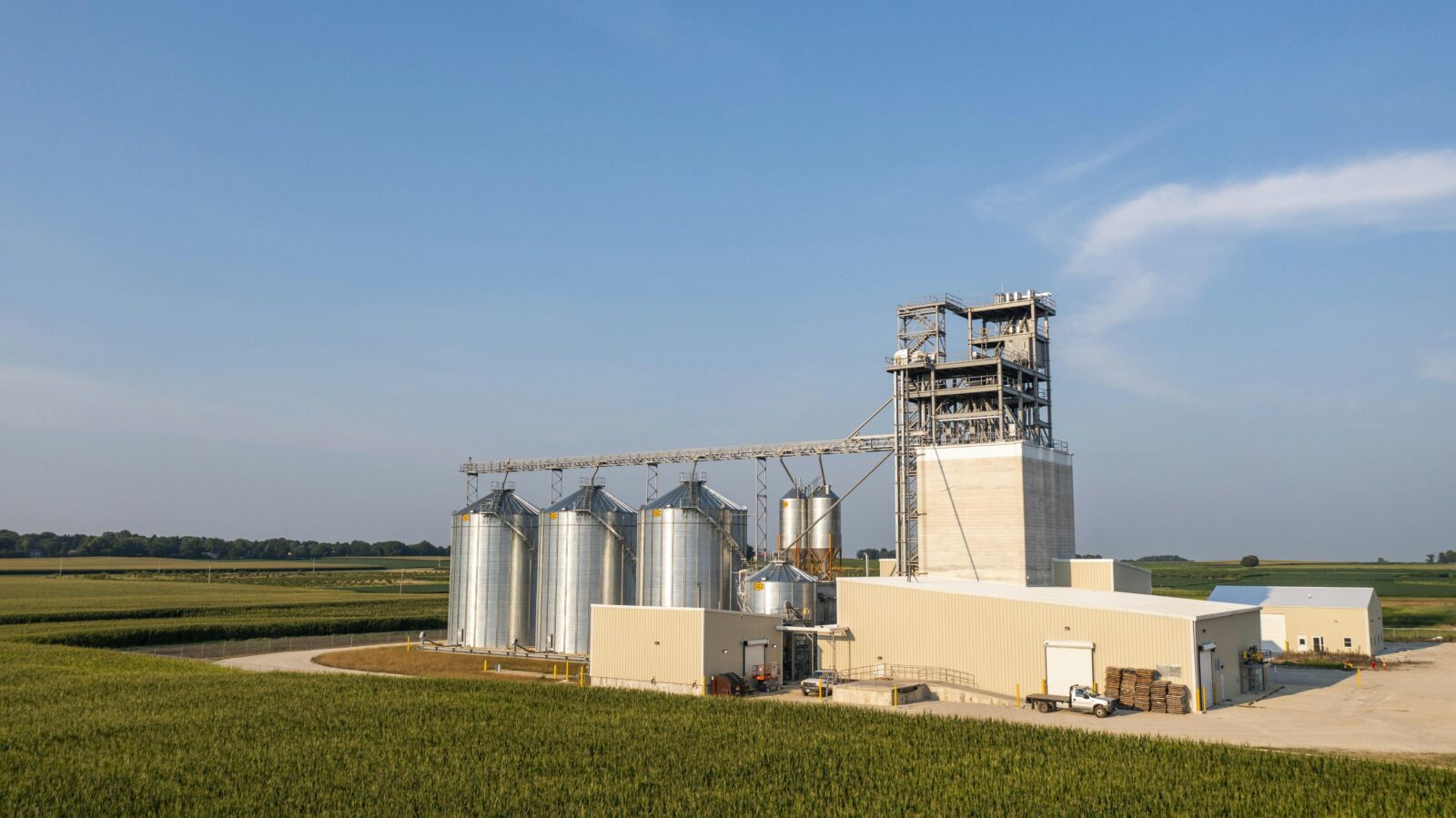
Unlocking the Secrets to a High-Performing Rice mill: Key Features to Evaluate and Adapt
When evaluating and adapting a rice milling unit, focus on the following key features that will impact both efficiency and profitability:
- Capacity: Assess the mill’s processing capability in terms of tons per hour. Choose a capacity that aligns with your production targets. For example, a mill processing 1 ton per hour might potentially be sufficient for a small farm, while a larger operation may require 5 tons per hour.
- Technology: Look for modern milling technology, such as color sorters and automated grading systems, to enhance quality and reduce manual oversight. Mills equipped with these tools can help you avoid costly errors, such as producing subpar grades that impact marketability.
- Maintenance Accessibility: Check the design of the mill for maintenance needs. Mills with easy access panels reduce downtime during repairs. As a notable example, if a rice hulking machine requires a two-hour service each week, easy access can cut service time in half.
- Energy Efficiency: Evaluate power consumption ratings of the machines. Opt for units that utilize 15-20% less energy than their counterparts. This can lead to significant savings over time, especially in regions with high energy costs.
Additionally,understanding common pitfalls can help you make smarter choices:
- Underestimating Labor Requirements: A high-performance mill may require more skilled labor than anticipated. Ensure your team is adequately trained in both operation and maintenance to prevent costly breakdowns and inefficiencies.
- Ignoring Local Market Demands: Research the quality preferences of local consumers. Invest in technology that aligns with these preferences. For example, if organic rice is in higher demand, consider mills that can efficiently process organic grains without contamination.
- Overlooking Regulatory Compliance: Ensure your facility complies with local food safety standards.Non-compliance can lead to costly shutdowns and legal issues. Regularly review regulations and update processes accordingly.
By concentrating on these tangible features and potential problems, you’ll be well-equipped to select and operate a rice milling unit that not only maximizes efficiency but also boosts your bottom line.
Steering Clear of Pitfalls: Common Rice Milling Mistakes and Smart Strategies to Avoid Them
When operating a rice milling unit, avoiding common pitfalls can significantly boost both efficiency and profitability. Here are some prevalent mistakes mill operators often encounter, along with strategic solutions:
- Neglecting Equipment Maintenance: Regular maintenance is crucial. Failing to clean or service your milling equipment can lead to breakdowns, decreased capacity, and poor quality rice. Schedule weekly inspections and set up a monthly cleaning routine for your machines.
- Ignoring Quality Control: Inconsistent quality can damage your reputation. Implement a quality control protocol that includes sampling and testing of rice batches for grain type, moisture content, and broken grains. As a notable example, setting a moisture threshold of 14% can definitely help ensure better output quality.
- Underutilizing Technology: Many operators avoid investing in modern technology due to initial costs. Though, advanced milling machines with built-in monitoring systems can optimize production and reduce waste. Make an assessment of cost versus potential savings and consider a phased upgrade strategy.
- Overlooking Staff Training: Lack of training can result in operational errors. Regularly train your staff on best practices for milling operations and machine handling. Conduct quarterly workshops to keep the team updated on new techniques and troubleshooting approaches.
Another area operators often overlook is the importance of grain storage. Poor storage conditions can lead to spoilage or pest infestation, causing financial losses. Implement a robust storage plan by using moisture-absorbing agents and keeping storage areas cool and dry. Consider creating a grading system to classify rice according to quality that can help in managing the stock more effectively,as shown below:
| Grade | Criteria |
|---|---|
| A | Whole grains,low moisture |
| B | Small imperfections,slightly higher moisture |
| C | Broken grains and defects |
By proactively tackling these common issues in rice milling operations and implementing sound strategies,operators can enhance productivity and profitability in a competitive market.
Harnessing Efficiency: Proven Practices for Operating Your Rice milling Unit in Real-World Scenarios
Operating a rice milling unit requires a keen understanding of both the equipment and the conditions under which it functions. To enhance efficiency, start by performing regular maintenance checks on your milling machinery. Identify potential issues before they escalate; such as, ensure that all parts, such as rolls and , are not only functional but also correctly calibrated. A common mistake is ignoring wear and tear—the lifespan of a rice mill can significantly decline when operators overlook the regular replacement of worn parts.Create a checklist for standardized inspections, focusing on:
- machine alignment
- Roll wear
- Screen integrity
- Power consumption
- Dust accumulation
Additionally, consider the origin and quality of your input materials. Ensure that the paddy rice is free from contaminants, as poor-quality grain can lead to reduced output and higher rejection rates. In real-world scenarios, mills that source locally tend to achieve better quality due to better understanding of local farming practices.Establishing relationships with reliable suppliers can provide you with advantageous access to premium rice.Furthermore,implementing small adjustments,such as maintaining optimal moisture content in the paddy (ideally between 13-14%),can lead to better milling performance. Consider the following table as a rapid reference for adjustments based on rice quality:
| Rice Quality | Moisture Content | Suggested Milling Speed |
|---|---|---|
| High Quality | 13-14% | 25-30 RPM |
| Moderate Quality | 14-15% | 20-25 RPM |
| Poor Quality | 16%+ | 15-20 RPM |
By following these practical steps, operators can streamline their milling process and ultimately improve both efficiency and profitability.
To Conclude
selecting and operating an efficient rice milling unit is a multifaceted journey that can significantly impact your business’s profitability and sustainability. by understanding the nuances of various milling technologies, investing in the right machinery, and implementing best practices in operation and maintenance, you pave the way for maximizing both efficiency and profit. the insights and strategies outlined in this guide serve as stepping stones to help you navigate this vital aspect of rice production. Embrace the knowledge, adapt the recommendations to your unique circumstances, and watch as your rice milling endeavors not only meet the demands of the market but also cultivate a flourishing enterprise for years to come.as you move forward, remember that continuous learning and adaptation are essential in an ever-evolving industry—let this guide be your companion in crafting a successful future in rice milling.