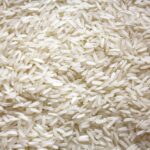
In an era where efficiency meets sustainability, mini rice mills are emerging as game-changers in the agricultural landscape. As rice continues to be a staple food for more than half of the world’s population, the demand for convenient and cost-effective processing solutions has never been more pressing. Mini rice mills offer a compact, versatile approach to rice milling, making them an attractive option for small farmers, agricultural entrepreneurs, and even urban dwellers with a passion for home-grown produce. This thorough guide delves into everything you need to no about these innovative machines, from their myriad benefits and standout features to essential tips for making an informed purchase. Whether you’re looking to reduce waste,enhance productivity,or simply embrace a more eco-kind lifestyle,understanding mini rice mills could be your first step toward revolutionizing your rice processing experience. Join us as we explore the engaging world of mini rice mills and uncover how they can transform your agricultural practices and culinary creations alike.
Understanding Mini Rice Mills and Their Role in Modern Agriculture
Mini rice mills are compact machines designed to process raw paddy into edible rice, making them an essential tool in modern agriculture. These mills are particularly significant for small to medium-scale farmers as they enable localized processing of rice, reducing the need for transporting raw grains to larger milling facilities. A mini rice mill typically incorporates various functions such as husking, polishing, and sometimes even packing, making it a versatile asset for agricultural operations. Benefits of using a mini rice mill include:
- Cost Efficiency: They often require less capital investment compared to larger mills, making them accessible to small farmers.
- Reduced Post-Harvest Loss: By enabling farmers to mill their rice shortly after harvest, mini mills help minimize spoilage and quality degradation.
- Improved Quality: With better control over the milling process, farmers can produce higher quality rice tailored to market preferences.
- Time Savings: The ability to process rice on-site saves time and labor, allowing farmers to focus on other agricultural activities.
Despite their benefits,mini rice mills also present challenges. farmers may encounter issues such as limited production capacity, which might not suffice for larger harvests, or the need for extensive maintenance and operational knowledge.When comparing mini rice mills, one should consider factors like milling efficiency, size, energy consumption, and ease of operation. popular models vary in features and price, so conducting thorough research and possibly seeking recommendations from other farmers can be invaluable before making a purchase. Additionally, understanding the technical support and spare parts availability in your region will ensure sustained operation and smooth maintenance.

Exploring the Advantages and Limitations of Small-Scale Milling Solutions
When considering small-scale milling solutions,such as mini rice mills,it’s crucial to weigh both their advantages and limitations. mini rice mills are designed to process comparatively smaller quantities of rice, making them a practical choice for small-scale farmers or entrepreneurs aiming to start a local milling business. Some notable benefits include:
- Cost-Effective: Mini rice mills are generally less expensive than their larger counterparts, requiring lower initial investments and operational costs.
- Space-Saving: Their compact size allows for easy installation in small facilities or even homes.
- Energy Efficient: Equipped with modern technology, these mills consume less energy, resulting in lower utility bills.
- Ease of Use: Mini mills frequently enough have user-friendly designs, enabling operators with limited experience to manage operations effectively.
Though, these small-scale mills do come with certain limitations that potential buyers should consider. For instance, the capacity of mini rice mills typically ranges from 100 to 500 kg per hour, which can be inadequate for larger agricultural operations or high-demand markets. Additionally, the milling quality may not match that of larger mills, which can impact the final product’s marketability. Other considerations include:
- Maintenance Needs: While they are generally easier to maintain, the small parts may require more frequent replacements to ensure smooth operation.
- Limited Features: Unlike larger mills, mini rice mills may lack advanced features like automatic weighing and packaging systems, making manual handling necessary.
- Market Saturation: As more entrepreneurs turn to mini mills, competition may increase, impacting profitability.
By understanding these advantages and limitations, potential buyers can make informed decisions about whether small-scale milling solutions align with their business goals and operational capacities.
Choosing the right mini rice mill: Key Features and Considerations
When selecting the right mini rice mill, it’s essential to evaluate several key features that can directly impact efficiency, output quality, and overall user satisfaction. Here are some vital attributes to consider:
- Capacity: Determine your processing needs by considering the mill’s output capacity per hour. Mini rice mills generally offer capacities ranging from 100 kg to 1 ton per hour, so choose one that aligns with your production goals.
- Type of mill: There are various types, such as huskers, shellers, and complete milling systems. A complete milling system can provide an integrated solution, whereas standalone units may be suitable for smaller operations.
- Power Source: Ensure that the mini rice mill can operate on available power sources in your area. Electric models are common, but diesel-powered mills may be a better choice for remote locations.
- Durability and Build Quality: look for mills made from quality materials that can withstand continuous operation.stainless steel components are particularly beneficial for their resistance to rust and wear.
- User-Friendliness: A machine with an intuitive design and ease of operation can save time and training costs. Features like an automatic feeding system and adjustable settings may enhance usability.
In addition to these features, consider maintenance requirements and the availability of spare parts. A mill with easy-access components simplifies regular cleaning and upkeep, ensuring long-term performance. Cost-effectiveness is another crucial aspect; compare upfront costs with long-term savings from energy efficiency and reduced labor needed for manual operations. While some mini rice mills may come with a higher price tag, investing in a high-quality model can yield better results in terms of durability and processing efficiency. Additionally, seek out user reviews and testimonials, as real-world experiences often provide valuable insights into performance and reliability.
debunking Common Myths About Mini Rice Mills and Their Efficiency
Manny misconceptions surround mini rice mills,often leading to hesitation among potential users regarding their efficiency and capability. One prevalent myth is that mini rice mills cannot match the output of larger industrial mills. However, advancements in technology have allowed these compact machines to provide significant efficiency. for small-scale operations, they frequently enough deliver adequate processing capacity suited to local demand, while also ensuring the quality of the end product. Mini rice mills can process a few hundred kilograms to several tons of rice per hour, depending on the model. Additionally, their ease of operation and lower energy consumption makes them an appealing choice for farmers and small business owners looking to optimize their rice production.
Another common misconception is that mini rice mills are prone to frequent breakdowns and maintenance issues. In reality, manufacturers continuously improve the durability and performance of these machines. Quality mini rice mills are built with robust materials and designed for longevity. To help guide buyers, here are some key factors that affect the reliability of mini rice mills:
- Brand Reputation: Choose mills from well-established brands known for rigorous quality testing.
- Materials Used: Look for mills made with high-grade stainless steel, which offers corrosion resistance and durability.
- User Reviews: Check user feedback for insights into any common issues and the reliability of specific models.
By critically assessing these factors, prospective buyers can substantially reduce the risks associated with performance and maintenance, making mini rice mills a practical and efficient investment for rice processing.
The Way Forward
mini rice mills have emerged as invaluable tools for rice processing, offering numerous benefits to both small-scale and large-scale operations. Their compact design, enhanced efficiency, and user-friendly features make them a practical choice for those looking to streamline their rice milling process. As we’ve explored, understanding the key features and benefits of these machines is essential when considering a purchase.
whether you are a farmer aiming to improve your yield or a small business owner looking to expand your offerings, investing in a mini rice mill can be a wise decision. Armed with the insights from this guide,you can confidently navigate the market and choose the right mini rice mill that aligns with your needs.
As the rice industry continues to evolve, having the right tools at your disposal can set you on a path to success.Embrace the opportunity to elevate your rice processing game and watch as it transforms both your workflow and the quality of your final product. Happy milling!