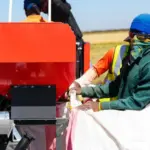
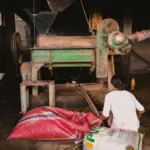
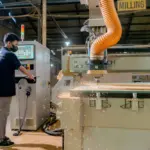
In the heart of our global food system, rice stands as a staple for billions, embodying sustenance, culture, and tradition. However, the journey from paddy to plate is fraught wiht challenges, including inefficiencies, waste, and environmental concerns. Enter a wave of innovation poised to transform this critical industry: advanced rice processing equipment. Beyond the Grain delves into this transformative landscape, exploring how cutting-edge technologies are not only streamlining production but also championing sustainability. As we unpack the intricacies of these advancements, we will uncover their potential to enhance efficiency while safeguarding the delicate balance between agricultural practices and environmental stewardship.Join us as we navigate this nexus of tradition and technology, where every grain tells a story of progress and possibility.
reimagining Tradition: The Double-Edged Sword of Modern Rice processing Techniques
In the quest for efficiency and sustainability, modern rice processing techniques represent a complex interplay between tradition and innovation. Adopting advanced machinery and methods can drastically reduce processing times and improve yield, yet it risks overshadowing the artisanal skills that have been essential to rice cultivation for generations. For instance, while high-speed milling machines can enhance throughput, they often compromise the grain’s nutritional value and flavor when husking occurs too aggressively. Thus, a nuanced approach is essential, wherein agricultural stakeholders must consider both the economic benefits of mechanization and the potential erosion of cultural heritage. The trade-off is clear: will the allure of profit from increased volume lead to a homogenization of rice quality that alienates discerning consumers who appreciate conventional cultivation methods?
Moreover, as we navigate the double-edged sword of modern processing techniques, it’s critical to incorporate enduring practices that respect both environmental and cultural dimensions. Making informed choices about technology—such as gas emissions from diesel-powered machinery versus the potential of solar-powered alternatives—can align agricultural efficiency with ecological stewardship. A comparative examination of modern and traditional techniques might highlight aspects such as:
- cost-effectiveness: Instant gains from mechanization against long-term sustainability costs.
- Quality retention: Traditional methods versus modern high-output systems that risk nutrient loss.
- Environmental impact: Provisions for reducing carbon footprints in newer systems.
As rice farmers and producers engage in this reimagining of tradition,an emphasis on adaptive techniques that blend the best of both worlds will be paramount.Striking a balance can ensure that efficiency doesn’t eclipse the roots of rich agricultural practices while nurturing a new generation of rice cultivators who value innovation without sacrificing legacy.

Beyond Efficiency: Unpacking the Environmental Impact of Next-Gen Rice Equipment
The environmental impact of next-gen rice processing equipment frequently enough overshadows its operational efficiency, warranting a nuanced examination. While these machines significantly reduce waste and energy consumption, the sustainability narrative frequently leans too heavily on efficiency metrics without fully accounting for other ecological factors. As a notable example, the energy transition in rice processing—from fossil fuels to renewable sources—shows promise in reducing greenhouse gas emissions.Though,the sourcing and disposal of materials for highly sophisticated equipment can result in significant environmental footprints if not managed responsibly. This necessitates a balanced assessment that goes beyond mere efficiency gains to consider the entire lifecycle of equipment, as well as its resource dependencies.
Moreover, adopting next-gen rice equipment presents trade-offs that farmers must navigate carefully. While advanced technology can promise high yields and lower insecticide use,it can also inadvertently increase dependency on electrical power and reduce soil biodiversity through monoculture practices. farmers should consider the following factors when evaluating such equipment:
- Ecological Footprint: Assess the impact of materials used in the equipment and energy sources for operation.
- Soil Health: Evaluate whether the technology preserves or enhances soil biodiversity and fertility.
- Economic Viability: Weigh the capital investment against potential long-term savings and environmental benefits.
- Community Impact: Consider the socio-economic effects on local farming communities, including job creation or loss.
By addressing these aspects, farmers can make informed decisions that align with both their operational goals and broader environmental stewardship objectives, ultimately leading to a more sustainable approach to rice farming that respects ecological boundaries while enhancing productivity.
The Hype vs.Reality: Assessing the Actual Benefits of Innovative Rice Processing Technologies
Innovative rice processing technologies have been lauded for their potential to enhance productivity and sustainability, but the enthusiasm surrounding them often oversimplifies complex realities.While advancements such as high-efficiency milling systems and automated sorting machines promise improved yield and quality, their actual adoption raises significant questions about cost and accessibility. Many smallholder farmers may find the initial capital investment prohibitive, despite the long-term savings in labor and time.Moreover, the emphasis on high-tech solutions can overshadow critical areas like training and support systems essential for maximizing these technologies’ potential.
Moreover, the purported environmental benefits, such as reduced water usage and lower emissions, deserve a more comprehensive analysis. For instance, while some innovations reduce waste in processing, they might exacerbate issues elsewhere in the supply chain, such as increased energy consumption due to reliance on electricity or fossil fuels. A balanced evaluation must consider trade-offs:
- Economic Viability: Are higher initial investments justified by the savings from improved efficiency?
- Scalability: Can these technologies be adapted for diverse agricultural contexts?
- Environmental Impact: Do benefits in one area lead to detriments in another?
A nuanced recommendation would encourage stakeholders to adopt a hybrid approach, blending low-cost, locally appropriate technologies with more advanced solutions. This can help bridge the gap for smallholder farmers while ensuring that sustainability goals are met without inflating operational costs. Ultimately,the dialog around innovative rice processing should focus not only on the appeal of cutting-edge mechanics but also on the socio-economic and ecological landscapes in which they will operate.
Pathways to a Sustainable Future: Evaluating Strategic Choices in Rice Production Equipment
As rice production gears up for an era marked by both growing global demand and environmental challenges, strategic choices in equipment and technology will play a pivotal role in determining sustainability outcomes. Investing in advanced machinery such as precision seeders and high-efficiency threshers can reduce non-renewable resource consumption significantly compared to traditional methods. However, it is essential to balance the initial capital expenditures against the long-term gains in efficiency and crop resilience. Farmers must weigh the cost of sophisticated technologies against the risks of dependency on complex systems that may require specialized knowledge and maintenance. One critical distinction lies in the decision between full automation versus semi-automated systems; the latter can offer flexibility and lower entry costs,allowing for phased implementation and reduced manpower pressure without sacrificing productivity.
Furthermore, the integration of sustainable practices with modern equipment is not without its trade-offs.While it is tempting to assume that increased mechanization always leads to better environmental outcomes, it’s crucial to scrutinize the sustainability metrics of each technological choice. as a notable example, the transition to equipment powered by renewable energy sources such as solar or biofuels can mitigate carbon footprints, but this shift frequently enough involves logistical challenges and requires substantial initial investment and infrastructure overhaul. A nuanced approach would involve a thorough assessment of local energy sources, potential subsidies for green technologies, and even the ecological impact of material sourcing for new equipment. The following criteria can serve as a guide for evaluating the sustainability credentials of new rice production technologies:
- Energy Efficiency: What is the energy consumption relative to output?
- Resource Utilization: How effectively does the equipment utilize water and soil nutrients?
- Circular Economy Potential: Can components be recycled or repurposed?
- Local Adaptability: Does the technology accommodate regional conditions and requirements?
In Summary
As we stand at the crossroads of tradition and innovation, the advancements in rice processing equipment signal a transformative era for agriculture. The marriage of efficiency and sustainability is no longer a distant aspiration; it’s an achievable reality, thanks to the ingenuity of modern engineering. By harnessing technology to improve processing workflows, reduce waste, and conserve vital resources, we are not only enhancing productivity but also nurturing our planet for future generations.
The journey of rice—from field to fork—has always been a labor of love, steeped in cultural meaning and practical necessity. Yet, as we embrace these innovative solutions, we redefine what it means to cultivate and consume this staple grain. By fostering a new paradigm that prioritizes both yield and environmental stewardship, we empower farmers and communities worldwide to thrive.In the face of global challenges, such as climate change and food security, the evolution of rice processing represents hope and a commitment to a sustainable future. As we venture beyond the grain, let us continue to support and champion the innovations that not only change the way we farm but enrich the very fabric of our lives. The harvest is ripe with promise, and the future of agriculture is resplendent with potential.