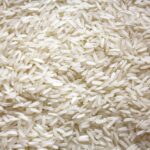
In an age where food security is increasingly becoming a global challenge, innovative solutions are surfacing to ensure that teh world’s growing population is fed sustainably. Among these solutions, advanced rice processing machines are making strides that go beyond the mere cultivation of grains. These state-of-the-art technologies are not only redefining how rice is harvested and processed but are also revolutionizing agricultural practices on a broader scale. As we explore the intersection of technology, agriculture, and food security, we uncover how these machines are reshaping the landscape of farming and, in turn, influencing the future of food supply. From enhancing efficiency and reducing waste to improving nutritional quality, the advancements in rice processing are a beacon of hope for sustainable agriculture, promising a world where food scarcity becomes a relic of the past. Join us as we delve into the transformative impact of these innovations and their potential to secure a more resilient future for food production.
Navigating the Double-Edged Sword: The Promise and Perils of Advanced Rice Processing Technologies in Agriculture
The rising adoption of advanced rice processing technologies presents a transformative possibility for agriculture but is not without its complications. These technologies promise significant improvements in efficiency, yield quality, and sustainability. However, they also introduce challenges that could undermine these benefits if not managed properly. A critical distinction lies in the cost-benefit analysis of adopting new technologies:
- Efficiency Gains: High-tech machines can drastically reduce post-harvest losses and processing times,ensuring that the rice reaches consumers fresher and in better condition.
- Quality of output: Advanced technologies can enhance the nutritional profile and taste of rice, addressing food security and health issues.
- Environmental Concerns: However, these machines may require significant energy inputs and generate noise and emissions, possibly harming local ecosystems and communities.
Moreover, the socio-economic implications of deploying such technologies must also be critically assessed. The shift toward mechanized processing may lead to job displacement in conventional agricultural sectors, exacerbating inequality among smallholder farmers who may not afford these innovations. This underscores the importance of a nuanced approach where stakeholders must:
- Invest in Training: Empower farmers with knowledge and skills to operate advanced machines effectively, ensuring equitable access to technology.
- establish Subsidies: Implement financial mechanisms that support smallholders in acquiring the necessary capital for modernization.
- Monitor Local Impact: Regularly assess the ecological and economic effects of technology adoption to ensure that improvements do not come at the expense of social cohesion.
By addressing these trade-offs thoughtfully, stakeholders can navigate the dual nature of advanced processing technologies to maximize their benefits while mitigating potential pitfalls.

Rethinking Food Security: Are State-of-the-Art Rice Machines a sustainable Solution or an Overhyped Trend?
The promise of state-of-the-art rice processing machines in enhancing food security is intoxicating, yet it demands rigorous scrutiny. On the one hand, these machines considerably increase efficiency—allowing for the rapid conversion of paddy to polished rice—while also reducing waste through better milling precision. Though, there is a lingering question as to whether these innovations genuinely address the core issues surrounding food security or merely serve as a band-aid over systemic agricultural challenges.Key considerations include:
- Capital Intensity: The upfront investment in advanced machinery may exacerbate inequalities among smallholder farmers who often lack access to credit, leading to a more pronounced rural divide.
- Environmental Footprint: Many modern rice machines require ample energy inputs; if driven by fossil fuels, they may contribute to carbon emissions and undermine sustainability goals.
- Dependence on Technology: A reliance on high-tech processing could lead to a loss of traditional knowledge and practices that have historically supported local food systems.
Furthermore,the simplistic belief that technology alone can solve food insecurity ignores the multifaceted nature of hunger,which is often rooted in economic,social,and political realities. As a nuanced advice, stakeholders shoudl focus on integrated solutions that combine technology with educational programs aimed at sustainable agricultural practices. These should emphasize:
- Empowering Local Farmers: Investing in training can ensure that smallholders are not only users of technology but also informed decision-makers who understand the broader implications of their practices.
- Resource Efficiency: Encouraging the use of machines that are adaptable to diverse agro-ecological conditions can minimize waste and promote environmentally kind practices.
Ultimately, while advanced rice machines hold potential, their role as a panacea for food security remains contentious. Engaging in a broader dialog around these issues will be vital for striking a balance between innovation and sustainability.
From Farm to Table: A Critical Examination of technological Innovations and Their Impact on Traditional Food Systems
The change of food systems through technological innovation presents a complex landscape. While advanced rice processing machines have the potential to significantly enhance food security, they often come with a set of implications that challenge the essence of traditional practices. For instance, while these machines can increase efficiency and output, they also risk undermining the labor market for smallholder farmers who have traditionally relied on manual methods. This shift poses critical questions about the trade-offs between productivity and job security. Moreover, the environmental impact of mechanized farming—such as increased energy consumption and soil degradation—needs to be evaluated more cautiously. The following factors warrant attention when considering the implications of these technological advancements:
- Productivity vs. Sustainability: While productivity gains may initially seem beneficial, they can lead to unsustainable practices, including over-reliance on chemical inputs.
- Local vs.Global Markets: Advanced processing technologies can open doors to global markets, but they may also create dependencies that marginalize local production and consumption.
- Preservation of Culture: The mechanization of traditional methods could diminish the cultural meaning and heritage embedded in local farming practices.
Moreover, a nuanced approach calls for targeted recommendations that leverage technology to complement rather than replace traditional systems. Collaborative models that integrate advanced processing methods into existing food systems can help balance modern efficiency with traditional food values. Such as,involving local farmers in the design and operation of new machines can lead to innovations that reflect community needs and priorities. Additionally,enhancing education around the sustainable use of these technologies may empower farmers to make informed decisions that protect their livelihoods and local ecosystems.Ultimately, fostering a more inclusive dialogue around technology adoption could mitigate the risks associated with mechanization while reinforcing the foundations of traditional food systems.
Decoding the Future of Agriculture: The Strategic Implications of Advanced Rice Processing on Global Food Equity
As advanced rice processing technology emerges as a potent tool for enhancing food security, its implications for global food equity deserve nuanced examination. The introduction of high-efficiency milling machines and innovative post-harvest solutions not only optimizes rice production but also shifts the narrative surrounding agricultural sustainability. Several strategic implications arise:
- Quality Over Quantity: Investments in advanced processing prioritize the milling quality of rice, ensuring higher nutritional content and less waste. This transforms subpar grains into valuable food resources, directly contributing to better diets.
- Empowerment of Smallholder Farmers: Advanced technologies can enable smallholder farmers to access enhanced processing methods, leveling the playing field.However, the transition requires substantial investments and training, creating a trade-off between short-term economic pressures and long-term benefits.
- Market Dynamics: Improved processing techniques can alter market structures, where bulk exportation of refined rice may marginalize traditional suppliers. This dynamic raises questions about the equitable distribution of profits and the livelihood security of various stakeholders along the value chain.
The trade-offs inherent in adopting advanced rice processing also illuminate a critical tension between efficiency and inclusivity. As an example, while large agribusinesses may benefit from economies of scale, they ultimately risk displacing local producers who lack access to capital and technology. Thus, targeted policies must facilitate equitable access to these advancements. Initiatives could include:
- Subsidized Equipment Programs: Offering financial support for technology acquisition among smallholder farmers can ensure they remain competitive.
- Capacity Building and training: Collective training initiatives on the operation and maintenance of advanced machines can enhance self-sufficiency.
- Partnerships with Local NGOs: Collaborations between tech providers and local organizations can ground technological advancements within community needs,thus maximizing impact.
To Conclude
As we stand at the crossroads of technology and tradition, the innovations in rice processing machinery illuminate a promising path toward enhanced food security and sustainable agricultural practices. These advanced machines not only optimize grain production but also empower farmers, reduce waste, and promote resilience in the face of global challenges.By harnessing the potential of cutting-edge technology, we can reshape our agricultural landscape and ensure that nutrition reaches the world’s growing population. As we look to the future, embracing these advancements will be crucial in nurturing both our ecosystems and communities.The transformation of rice processing is more than just an industry shift; it’s a testament to human ingenuity and our collective commitment to a food-secure tomorrow. together, let us cultivate a future where innovation and sustainability flourish, ensuring that every grain counts.