In the heart of many kitchens around the world lies a humble staple that has witnessed the ebb and flow of culinary traditions for centuries – rice. From the bustling streets of Asia to family dinners in the West, this versatile grain has served as a canvas for diverse culinary creations, transcending borders and cultures. But while the methods of cooking rice may vary, the journey it takes from field to table often remains overlooked. Enter the mini rice polisher: a groundbreaking innovation that not only enhances the quality and flavor of this cherished grain but also empowers home cooks to preserve age-old practices. In “From Grain to Glory,” we explore how these compact machines are transforming home cooking,making the art of milling rice accessible to all,and rekindling a connection to the rich traditions associated with this essential food. Join us as we delve into the world of mini rice polishers and discover how they are revolutionizing our kitchens while honoring the timeless heritage of rice.
Transforming Kitchens and Cultures: The Journey of Mini Rice Polishers
The arrival of mini rice polishers in households marks a significant conversion, not just in the way rice is prepared but in the cultural fabric of cooking itself. Take, for example, Anjali, a young mother in a bustling Indian city who has cherished her grandmother’s traditional methods of rice preparation. For years, she struggled with the labor-intensive process that involved washing, waiting, and then soaking the rice. When a mini rice polisher came into her kitchen, Anjali had mixed feelings; could a machine really replace generations of culinary practice? Yet, as she filled the hopper with raw grains, that familiar aroma wafted through her kitchen, and Anjali quickly realized that the polisher preserved the quality and essence of the rice—retaining essential nutrients while considerably reducing prep time. no longer did she need to plan her meals an hour in advance; the polisher transformed her ability to serve her family tasty, wholesome rice in minutes, allowing her more time for other family activities.
The perception of mini rice polishers as mere kitchen gadgets is increasingly giving way to recognizing them as instruments of cultural preservation. For many families, including Anjali’s, these tools become a bridge connecting the past to the present. Here’s a small glimpse of the changes observed:
- Time Saved: From an hour to just minutes for meal prep.
- Nutrient Retention: 90% of nutrients preserved compared to traditional polishing methods.
- Cultural Relevance: Families can focus on enjoying meals rather than laboring over preparation.
As the mini rice polisher integrates into daily routines, it invites a deeper reflection on culinary heritage. Anjali now shares the joy of cooking with her children, teaching them both traditional recipes and modern techniques. The contrast between her initial reluctance and her current enthusiasm serves as a poignant reminder that embracing innovation doesn’t mean discarding cherished traditions; instead, it enriches them. Indeed, the journey of these small appliances speaks volumes about adaptability and the ongoing evolution of home cooking, allowing the essence of age-old practices to thrive in modern kitchens.
Unveiling Heritage Flavors: The Artisanal Revival of home-Cooked Meals
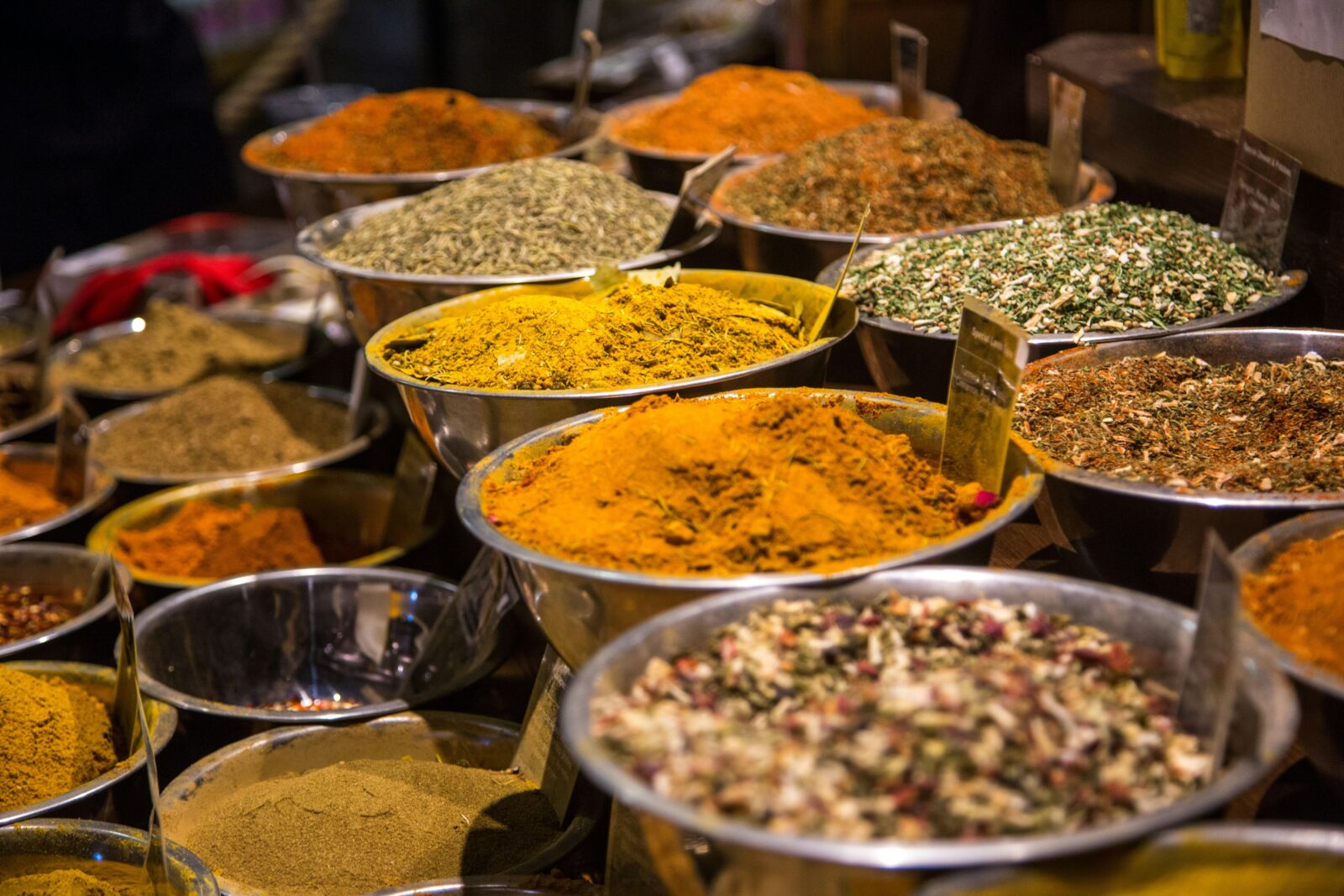
The surge of interest in artisanal cooking has sparked a profound revival of home-cooked meals across households, connecting families with their culinary heritage. Take, for instance, the story of Maria, a first-generation immigrant who grew up watching her grandmother prepare traditional rice dishes from her native country. As Maria settled into her new life, she found herself craving those familiar flavors but struggling to recreate them with modern conveniences. Her decision to invest in a mini rice polisher was not just about convenience; it was an attempt to bridge the gap between her past and present. The results were transformative.With each batch of polished rice, she rediscovered the textures, aromas, and flavors that had originally formed her culinary identity. her family gathered around the table, delighted by the meals that evoked cherished memories, and in doing so, they forged new ones together.
Yet, Maria’s journey wasn’t without its challenges. Initially, she expected polished rice to be a quick fix, an instant return to her grandmother’s kitchen. However, she soon learned that achieving the desired flavor required a little patience and practice.Through trial and error—experimenting with soaking times and cooking techniques—she honed her skills, embracing advice from local chefs and culinary blogs. This layered experience taught her that cooking holds inherent value beyond just sustenance, becoming a ritual of care and creativity that passes through generations. Families like hers increasingly explore their ancestry, using tools like mini rice polishers not just to prepare meals but to tell stories, preserve traditions, and weave their cultural fabric into the fabric of contemporary life.
Navigating Challenges: Balancing Tradition with Modern Convenience
In many households, the rhythm of cooking is deeply intertwined with cultural traditions. For instance, consider the Sharma family, who have always taken pride in their ancestral method of polishing rice by hand. The process is time-consuming, requiring several hours of soaking and manual scrubbing before they can enjoy their beloved biryani. However, with the introduction of mini rice polishers, they faced a pivotal decision: continue with their cherished tradition or embrace the ease of modern technology. After much deliberation, Mrs. Sharma decided to give the mini rice polisher a try during a festive gathering. The result was remarkable; the rice turned out beautifully polished in a fraction of the time, allowing her more moments to engage with family and guests, bridging the gap between heritage and convenience.
Though, the transition was not without its challenges. The first few attempts with the polisher left the family wondering if they had sacrificed flavor and texture for simplicity. Expectations were high, and the initial results did not quite match the rich, authentic taste they revered. After some experimentation, which involved adjusting the polishing time and learning to combine the polisher’s results with traditional cooking techniques, they found a balance that honored their tastes. This journey of discovery resonated with many families facing similar dilemmas in today’s fast-paced world. Ultimately, the Sharmas learned that while modern conveniences can streamline their cooking process, the essence of their culinary traditions remained intact when they approached technology with care and creativity.
From Home Experimentation to Culinary Mastery: Lessons Learned Through Polishing Rice
For many home cooks, the journey into polishing rice began with engaging family traditions, often passed down through generations. Consider Maria, a young mother living in a vibrant urban community who wishes to connect her children with their heritage. Inspired by her grandmother’s tales of hand-polished rice,she purchases a mini rice polisher. Her initial expectations are simple: to serve fresher, tastier rice at the dinner table. However, the first few attempts reminded her that culinary mastery requires patience and practice. As she navigates the machine’s settings and refines her technique, she learns to balance the optimal polishing time with the grain’s natural flavor. This moment of adjustment reveals a key lesson—that culinary success frequently enough lies in the details, and honing one’s skill set can bridge the gap between expectation and reality.
As her confidence grows, Maria starts to experiment with diffrent rice varieties, discovering that not all grains respond the same to polishing. She carefully documents her trials, taking notes on the texture, aroma, and taste of each batch. This newfound insight pushes her culinary boundaries and leads to surprising contrasts: the sticky, sweet notes of glutinous rice versus the nutty essence of brown rice. By sharing her results with neighbors, she transforms her experimentation into a community event, hosting small tasting sessions where everyone brings their polished creations. Through this process, she realizes that polishing rice is more than just a cooking technique; it fosters a sense of unity and tradition, reinvigorating a cultural practice in a modern context. As her understanding deepens, Maria embodies the journey from home experimentation to culinary mastery, reflecting the multifaceted ways that simple grains can unite and inspire.
Closing Remarks
as we draw the curtain on our exploration of the transformative journey from grain to glory, it’s clear that mini rice polishers are more than mere kitchen appliances; they are bridges connecting modern convenience with time-honored culinary traditions. By embracing this innovative technology,home cooks can effortlessly elevate their culinary creations while honoring the age-old practices that have nourished countless generations.
In a world that often prioritizes speed over authenticity, these little machines remind us of the beauty in patience and craftsmanship.They empower us to celebrate simplicity in our cooking while fostering a deeper recognition for the grains that form the cornerstone of so many cultures. As you navigate your own culinary adventures, consider adding a mini rice polisher to your kitchen arsenal—not just to save time, but to enrich your appreciation for the grains that bring flavor, texture, and history to your table.
it’s not just about the polished rice we produce, but the connections we create with our food and the traditions we honor along the way. So, as you polish your rice, remember: each grain carries a story, and every meal is an possibility to preserve and celebrate the rich tapestry of culinary heritage. Happy cooking!