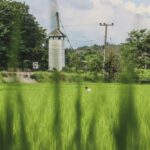
In an era where food security adn sustainability are becoming paramount, the spotlight shines brightly on innovations that can transform agricultural practices.Among the staples that hold the world’s population together, rice stands out not only as a dietary mainstay but also as a symbol of economic stability for millions of farmers worldwide. Though, the quest for efficiency and sustainability in rice production has led to a pivotal evolution in the way we process this vital grain. Enter advanced rice processing machines—technological marvels that promise to revolutionize the grain industry. By enhancing productivity, reducing waste, and minimizing environmental impact, these machines are more than mere tools; they are key players in the transition towards lasting agriculture.This article delves into the profound implications of investing in advanced rice processing technology, exploring how these innovations can pave the way for a more resilient and responsible agricultural landscape.Join us as we uncover the intricate relationship between technology and sustainability, and discover why the future of grains may vrey well depend on the machines of today.
Transformative Technology in Agriculture: The Unseen Costs of Advanced Rice Processing Innovations
While the promise of advanced rice processing machines heralds a new era of efficiency and productivity, it is crucial to examine the unseen costs that accompany these innovations. The integration of high-tech machinery in rice processing can indeed reduce labour costs and increase output,yet it often displaces traditional farming practices and local employment. The trade-off becomes evident when evaluating the socio-economic landscape: while a farmer may enjoy increased profits from heightened productivity,the actual fabric of the rural community may fray due to diminished labor opportunities.Consider the following distinctions:
- Labor Displacement: Advanced machinery can lead to job losses for those who depend on manual processing.
- Dependency on Technology: Farmers may become reliant on expensive machines, leading to vulnerability during economic fluctuations.
- Sustainability Costs: The environmental footprint of energy-intensive operations may counteract gains found through mechanization.
To navigate this complex landscape, stakeholders in the agricultural sector must prioritize strategic investments that balance technological advancement with socio-economic resilience.Companies involved in the manufacturing of processing machines should commit to multi-tiered training programs for affected workers to bridge the gap between traditional practices and modern innovations.Small-scale farmers could collaborate to co-own advanced machinery, thus diluting costs while preserving jobs within their communities. Long-term recommendations may include:
- Flexible Machine usage: Implementing a rental system can reduce dependency while distributing machinery costs.
- Community Workshops: Encourage knowledge sharing of both advanced techniques and traditional methods,ensuring a multifaceted skill base.
- Investment in Renewables: Using sustainable energy sources to power advanced machinery can mitigate environmental impacts.

Beyond Efficiency: The Trade-offs of High-Tech Rice Milling in Sustainable Practices
The integration of high-tech rice milling technologies dose not merely enhance efficiency; it also presents complex trade-offs that challenge the conventional narrative of sustainability. While advanced milling machines can significantly reduce waste and increase yield, key factors must be weighed against these gains. For instance, the initial investment in such technology can be a barrier for smallholder farmers, often leading to increased dependency on external financing and reduced long-term resilience. Moreover, the energy requirements of cutting-edge milling technologies can clash with sustainability goals unless renewable energy sources are harnessed. The following points illustrate these interdependencies:
- Economic Viability: High upfront costs may yield long-term savings, but is it feasible for all producers?
- Resource Intensity: Advanced equipment often consumes more energy; what are the implications for carbon footprints?
- Market Access: Improved processing can lead to better market positioning. Is this accessible for small-scale operations or concentrated in larger enterprises?
Balancing the technological advantages in rice milling with sustainable practices entails navigating a series of nuanced decisions. For example,investing in user-amiable,energy-efficient machines that are adaptable to local conditions can bridge the gap between modern practices and smallholder capabilities. Furthermore, collaboration with local co-ops might mitigate the financial burden while ensuring community benefits from the technology’s efficiencies. Risk management strategies should also be considered; the temptation to adopt technology solely for immediate yield gains overlooks the vital role of soil health and biodiversity in sustainable agriculture. The following recommendations can guide stakeholders:
| Suggestion | Potential Benefit |
|---|---|
| Invest in adaptive technologies | Enhance compatibility with local agricultural practices |
| Develop financing models for smallholders | Increase access while maintaining economic independence |
| Integrate renewable energy solutions | Align milling processes with sustainability goals |
Navigating the Hype: Assessing the Real Impact of Rice Processing Advances on Small-scale Farmers
as the discourse surrounding advanced rice processing machines frequently enough emphasizes technological innovation, it is indeed essential to critically evaluate how these advances genuinely affect small-scale farmers. While the assumption persists that high-tech machinery automatically equates to increased productivity and economic viability, the reality is more nuanced.Small-scale farmers,typically constrained by limited capital,labor,and infrastructure,may find that the adoption of advanced machines poses both opportunities and challenges. As an example, the initial investment and maintenance costs can be prohibitive, forcing farmers to prioritize short-term gains over long-term sustainability. Thus, rather than uniformly advocating for high-tech equipment, we should dissect the impacts through these considerations:
- Cost-Benefit Analysis: Compare initial investment with expected yield increases.
- Training Needs: Assess the gap in technical knowledge required to operate and maintain advanced machines.
- Access to Markets: Evaluate if improved processing capabilities allow for better market access.
In addressing these challenges, it’s crucial to encourage the growth of context-specific solutions rather than a one-size-fits-all approach.Partnerships between technology developers and local agricultural cooperatives can facilitate the adaptation of machines that align with farmers’ capabilities. Furthermore, introducing tiered technologies that cater to varying financial capacities may help mitigate the risks associated with high capital investments. This approach not only democratizes access to advanced processing but also enables small-scale farmers to gradually adopt innovations at a manageable pace. By fostering a landscape where the tangible benefits of technology are truly aligned with the farmers’ ecosystem, we can steer clear of the hype and instead focus on sustainable practices that enrich both the farms and the communities reliant on them.
rethinking Grain Futures: How Smart Investments in Rice Machinery Challenge Conventional Wisdom
In the realm of agricultural investment, the prevailing belief has frequently enough favored the cultivation of high-yield grains over the enhancement of processing technologies. However, investing in advanced rice machinery can significantly disrupt this conventional wisdom, offering a compelling strategy for maximizing both profit margins and sustainability. Consider the following distinctions that highlight the transformative potential of such investments:
- Economies of Scale vs. Efficiency: While traditional scaling of grain production may seem advantageous, advanced rice processing machines can optimize operations by minimizing waste and improving yields per harvest.
- Quality Over Quantity: Prioritizing processing technology allows for better quality control, resulting in premium-priced products that can significantly boost revenue in niche markets.
- Long-term Viability: The reliance on chemical fertilizers and pesticides can jeopardize soil health; therefore, investing in machinery that enhances organic rice processing can lead to healthier ecosystems and more resilient farming practices.
Yet,it is indeed essential to recognize the trade-offs inherent in such a shift. Capital investments in technology can initially strain budgets, necessitating careful financial planning and perhaps higher risk exposure. Farmers must weigh these costs against long-term benefits, including decreased labor expenses, reduced environmental impact, and improved product quality. Moreover, the transition to advanced machinery requires not only monetary investment but also a commitment to training and skilled workforce development. This nuanced approach suggests that while the allure of immediate yield increases is tempting,a smart investment strategy must prioritize both the present operational capabilities and future sustainability fostered by advanced processing technologies.
Key Takeaways
As we stand at the crossroads of innovation and sustainability, the potential of advanced rice processing machines emerges as a beacon of hope for the agricultural sector. By investing in these cutting-edge technologies, we not only enhance the efficiency of rice production but also pave the way for a more sustainable future. each grain processed with precision not only benefits farmers but also caters to the growing demand for environmentally friendly practices in agriculture.
The journey towards revolutionizing grains is just beginning, and as we move forward, it’s clear that technology must work hand-in-hand with traditional farming practices. This synergy has the power to transform not just rice, but the entire agricultural ecosystem, ensuring food security and prosperity for generations to come.
As stakeholders in this vital industry, whether you’re a farmer, a researcher, or an investor, your role in embracing these advancements is crucial.Let us continue to explore, innovate, and advocate for a more sustainable approach to agriculture, where every pulse and every grain contributes to a greener planet. The seeds of change are being sown; it is time to nurture them into a flourishing future.