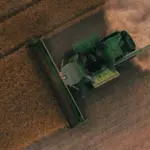
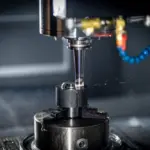
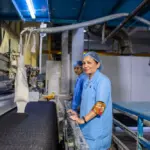
In the heart of picturesque rural landscapes, where golden fields of rice sway gently in the breeze, a quiet revolution is unfolding. The advent of the mini rice polisher machine has catalyzed a transformation that transcends mere agricultural practice; it is indeed rewriting the narrative of local farming communities. Gone are the days when farmers, armed onyl with traditional tools, faced the insurmountable challenges of post-harvest processing. Today, innovation meets tradition as these compact machines empower individuals, boost livelihoods, and elevate the quality of grain. In this exploration of “From Grain to Gold,” we delve into the profound impact of technology on agriculture, revealing how a simple device can uplift communities, enhance economic opportunities, and pave the way for a future where the fruits of one’s labor shine brightly on every table.
Crafting Dreams: the Journey of Farmers embracing Technology in Rice Polishing
In the heart of rural India, amidst the sprawling green fields, lives Manoj, a third-generation rice farmer.Until recently, Manoj’s family relied on the traditional methods of rice polishing, which involved labor-intensive techniques and hours spent on manual polishing. The polished rice, though beautiful and fragrant, often fell short in terms of market value due to varying quality. That changed when Manoj decided to invest in a mini rice polisher machine after attending a local agricultural fair. This decision was pivotal, not only for his farm but also for the wider community. With the machine, he could produce more consistent, high-quality rice with ease, thereby increasing his income and paving the way for others to follow suit. By the end of the harvest season, Manoj reported a remarkable 30% increase in profits, inspiring neighboring farmers to consider the technology for their own operations.
Real stories like manoj’s ripple through local villages as farmers share their experiences. Take Asha, a single mother of two, who initially hesitated to embrace technology, worried it would replace traditional jobs. However, upon witnessing Manoj’s newfound success and meeting with agricultural extension workers, she felt compelled to take a leap of faith. After acquiring a mini rice polisher, she quickly learned that it didn’t just ease her workload but also created job opportunities for local women, who she employed to help with the polishing and packaging processes. The contrast was striking—what began as a source of apprehension transformed into empowerment through collaboration. farmers collectively realized that adapting to technology didn’t mean losing their roots; instead, it fortified their community, producing not only better rice but a shared vision for growth and sustainability.

From Struggle to Sustainability: The Community’s Response to Agricultural Challenges
As communities faced increasing agricultural challenges, such as unpredictable weather patterns and market fluctuations, the transformation facilitated by mini rice polishers became a beacon of hope. In a small village in the heart of the region, farmers like Rajesh, a third-generation rice grower, exemplified this shift. Traditionally, he would harvest his rice, selling it to local mills where it was processed and frequently enough returned to him at inflated prices. With the introduction of the mini rice polisher, Rajesh was able to process his grain on-site, cutting out the middleman. The initial investment was a important decision for Rajesh, and like many others, he was skeptical—would this machine really make a difference?
Through trial and error, Rajesh learned to utilize the polisher effectively. He found that not only did it enhance the quality of his rice, but the polished grains also commanded a higher price in the market. The change encouraged him to reinvest his profits into sustainable practices, such as improving irrigation systems and experimenting with organic fertilizers. This shift didn’t just benefit his own yields; it sparked a collaborative spirit within the community. Farmers began sharing knowledge about crop rotation and pest management, pooling resources to tackle challenges together. The expected transformation from a simple machine turned out to be a catalyst for collective growth, proving that sometimes, solutions lie not just in technology but in the strength of community bonds.
| before Mini Polisher | After mini Polisher |
|---|---|
| Higher processing costs due to middlemen | Lower processing costs,direct income |
| Inconsistent grain quality | Improved quality and market price |
| Lack of collaboration among farmers | Strong cooperative efforts for sustainable practices |
Empowering Hands: Stories of Resilience in the Wake of Change
Amid the rolling fields of rice paddies,the transformative power of the mini rice polisher machine has ignited renewed hope in the lives of local farmers. Take, for instance, the story of Lakshmi, a widow and mother of three, who faced overwhelming challenges in sustaining her family after the unexpected passing of her husband. Just a few years ago, she spent long hours hand-polishing rice while struggling to keep her farm viable.With the introduction of the mini rice polisher, Lakshmi’s daily grind changed dramatically. It not only reduced her labor by half but also improved the quality of the rice she could sell in local markets, enabling her to triple her income within months. The critical decision moment came when she decided to invest her savings in the machine rather than traditional farming techniques; looking back, she often reflects on how this choice redefined her family’s future.
This shift in fortune extends beyond individual stories and weaves through the community. In nearby Keshavpur, a group of farmers, initially skeptical about the new technology, gathered to share their concerns at a local meeting. They envisioned numerous hurdles: higher maintenance costs, training challenges, and fears of insufficient market demand. However,witnessing Lakshmi’s success sparked a movement. Farmers began collaborating, pooling resources to purchase a mini rice polisher together. Their expectations of a mere increase in yield transformed into a collective resilience that fostered deeper community bonds. as rice sales surged—illustrated below—so did the realization that combining resources could amplify their strength and ensure food security for everyone.
| Year | Average Yield Per Farmer (kg) | Sales Revenue (Local Currency) |
|---|---|---|
| 2021 | 500 | 200,000 |
| 2022 | 1,200 | 480,000 |
| 2023 | 1,800 | 720,000 |
Harvesting Hope: The Lasting Impact of Innovation on Rural Lives
In the heart of rural communities, where the sound of traditional grinding stones once echoed through fields, the introduction of mini rice polisher machines has birthed a new era of hope and opportunity. Take, for instance, the story of Priya, a small-scale farmer in a nearby village. After investing in a mini polisher, her daily routine transformed remarkably. No longer did she spend long hours milling rice by hand; rather, she spent more time with her children and turned her focus to sustainable practices in her fields. Priya’s decision to embrace this innovation altered not only her productivity but also her family’s dynamics, allowing for a better work-life balance. In just one harvest season, she saw a 40% increase in her income, demonstrating how a simple machine can redefine livelihoods and expectations.
The impact of these machines extends beyond individual homes, echoing through entire communities.For example, as more farmers adopted the mini rice polisher, local cooperatives began to form, pooling resources and sharing knowledge.They organized training workshops that introduced best practices for rice production,enabling farmers to improve their yield. Many, like Ramesh, who once struggled with financial instability, found themselves enjoying stable incomes and even contributing to local schools and health initiatives. The shift from hand-harvesting to mechanized polishing not only increased the quality of rice but also enhanced the market value—farmers selling their polished rice at a premium. This ripple effect is underscored by the following table that illustrates the improved financial outcomes over time:
| Year | Average income Before Polisher | Average Income After Polisher |
|---|---|---|
| 2019 | $1,200 | $1,200 |
| 2020 | $1,200 | $1,800 |
| 2021 | $1,200 | $2,200 |
Through the lens of their experiences, the transformation of rural lives through technology stands as a testament to resilience and adaptability. Farmers are beginning to see their hard work reflected not just in grain yields but also in community growth, leading to a collective sense of empowerment that transcends the soil of their fields.
In Summary
As we conclude our journey through the transformative impact of the mini rice polisher machine,it becomes clear that innovation holds the power to uplift even the most remote of communities. This small yet mighty device has not only enhanced the quality of local rice but has also cultivated a newfound sense of empowerment among farmers. With each polished grain, we witness the ripple effects of progress—boosted incomes, improved food security, and strengthened local economies.
The story of these communities is a testament to resilience and ingenuity. By embracing technology tailored to their needs, farmers are not merely surviving; they are thriving, turning challenges into opportunities.As we move forward in an era driven by sustainable practices and community empowerment, the mini rice polisher stands as a symbol of hope and potential.
In recognizing the profound influence of such innovations, we are reminded that transformation frequently enough begins with a single idea—a grain of possibility that can, when nurtured, shine like gold. Let us continue to celebrate and support the initiatives that pave the way for brighter futures,one polished grain at a time.