
Introduction
In the heart of many agrarian societies, the gentle hum of rice mills resonates as a testament to centuries of cultivation and culinary artistry. Rice, a staple food for billions around the globe, transcends borders and cultures, bringing sustenance and flavor to countless tables. But the journey from paddies to plates is far more intricate than it may appear.At the crossroads of tradition and technology, rice mills play a pivotal role, transforming harvested grains into the polished, ready-to-cook rice we recognize. This comprehensive guide delves into the multifaceted world of rice mills, exploring their operational mechanics, meaning in the agricultural landscape, and the broader implications for the rice industry. By understanding these vital facilities, we gain insight into the complexities of food production and the pivotal role they play in ensuring food security and enhancing livelihoods in communities worldwide. Join us as we unpack the essential contributions of rice mills and their lasting impact on our global food system.
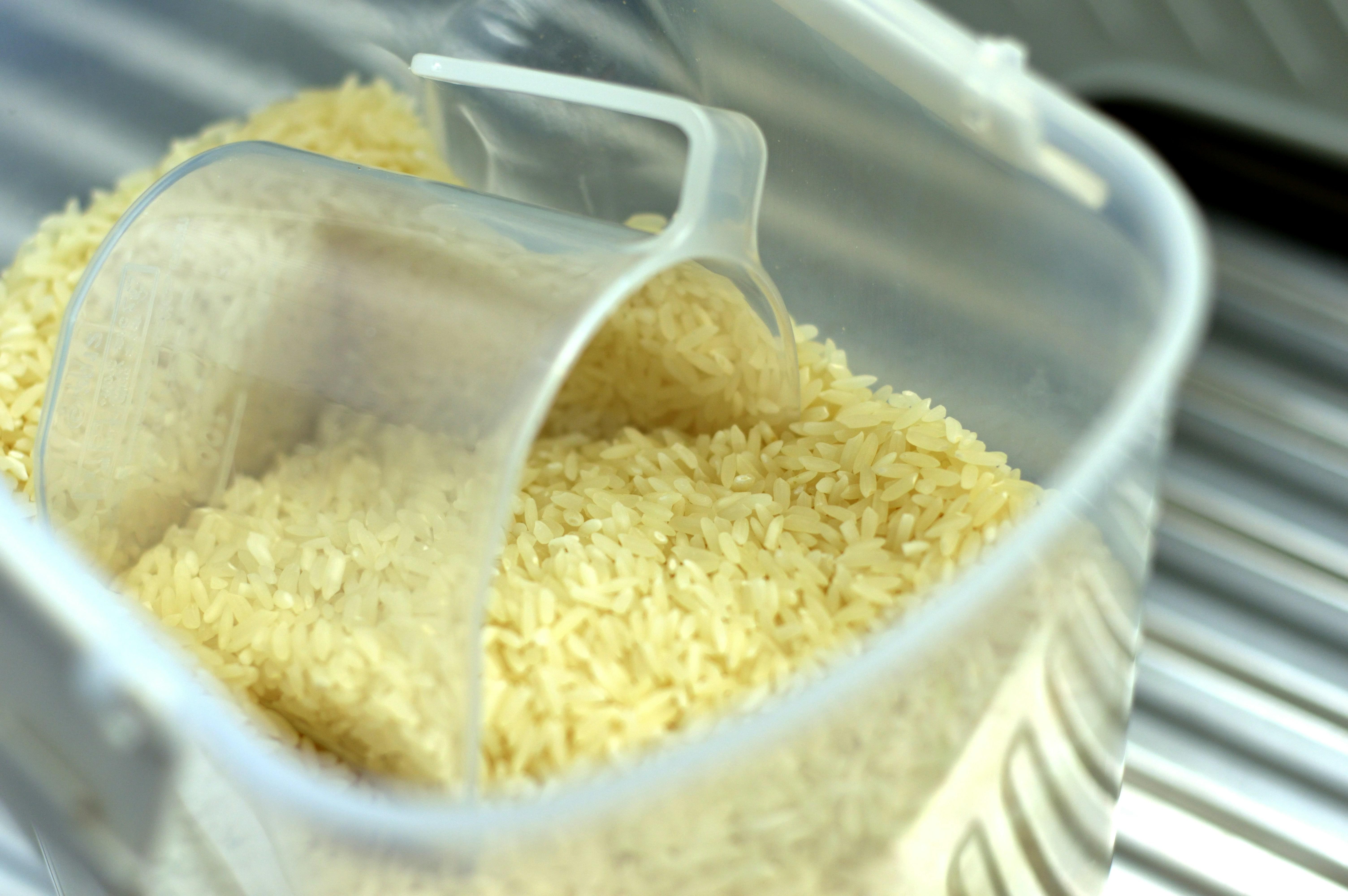
Exploring the Mechanisms of Rice Milling and Its Role in Grain Processing
Understanding the mechanisms of rice milling is crucial for both producers and consumers within the rice industry. When selecting a rice mill, examine key components that determine efficiency and yield: the de-husking unit, whitening process, and polishing apparatus. Ensure your chosen mill has adjustable settings for these processes. For instance,a de-husking unit that can adapt to different paddy varieties minimizes grain breakage,a common issue that often occurs when a mill is set to standard parameters. Regularly check for wear and tear on milling machinery; dull blades or ineffective hulling can lead to a higher percentage of broken rice, directly impacting market price and customer satisfaction. Take time to evaluate the mill’s output regularly, as a standard benchmark is that less than 5% of the total yield should be broken grains. This assessment will aid in maintaining quality and profitability.
Along with machinery, the milling process itself is a critical area to focus on. Consider the environmental conditions such as humidity and temperature, as they can significantly affect grain quality. For instance, milled rice that is stored in high-humidity environments can lead to mold growth, affecting overall flavor and shelf life. Smarter choices include investing in technology for moisture control. Regularly test and calibrate grain moisture levels before milling; ideally, paddy should be between 14-16% moisture for optimal milling performance. Moreover, troubleshooting during the milling process can help identify problems earlier. As an example, if excessive powder is produced during whitening, this could indicate too much pressure being applied—adjustments can be made to ensure smoother operation and less waste. Consider utilizing feedback loops from your production data to continuously improve milling processes and outcomes.

The Economic Significance of Rice Mills in Local and global Markets
The economic significance of rice mills cannot be overstated,as they play a crucial role in both local and global markets.For local economies, rice mills create job opportunities and stimulate agricultural productivity. Farmers benefit from nearby milling operations by gaining access to essential services, such as quality testing and storage. To maximize these benefits, stakeholders should:
- Assess Local Demand: Understand the specific needs of your community to ensure that production aligns with market requirements.
- Engage with Farmers: Collaborate directly with local producers to establish fair pricing and avoid supply chain pitfalls.
- Invest in Technology: Upgrade to modern milling equipment to enhance efficiency and product quality, as seen in the successful implementation in countries like Thailand.
On a global scale, the rice milling industry’s impact is equally profound. Countries that excel in milling frequently enough dominate the international market, such as India and Vietnam. To make smarter choices in this competitive environment, businesses should:
- monitor Export Trends: Keep an eye on global rice prices and trade regulations that can affect export opportunities.
- Quality Control: Implement robust quality assurance processes to meet international standards, which can greatly increase demand for a mill’s output.
- Diversify Offerings: Consider processing distinct rice varieties or organic options to capture niche markets, which can yield higher profit margins.
Sustainability in Rice Milling Practices: Balancing Efficiency and Environmental Impact
Incorporating sustainability into rice milling practices isn’t merely a trend; its a necessity for operators looking to balance efficiency with reduced environmental impact. To ensure practices are environmentally sound, consider the following actionable steps:
- Energy Source Optimization: Transitioning to renewable energy sources, such as solar panels or biomass, can significantly reduce the carbon footprint. Check if your existing machinery can operate efficiently with these alternatives.
- Water Management: Implement systems to recycle water used in the milling process. Regularly check for leaks and optimize equipment to minimize water usage. A good example is the use of closed-loop systems that can cut water consumption by 30-50%.
- Waste Management Practices: Invest in biomass recovery systems to utilize husks and byproducts effectively. Ensuring that 100% of the waste is reused can prevent it from ending up in landfills.
It’s also crucial to maintain your equipment and processes rigorously. Machinery inefficiencies often lead to increased emissions and resource wastage. Regularly inspect and upgrade machinery to minimize energy loss. Consider the following best practices:
- Routine Maintenance: Ensure that all milling machinery undergoes regular checks and servicing. This attention can increase efficiency by up to 20%.
- training and awareness: Empower your staff with training on sustainable practices and the importance of efficiency, leading to better adherence to protocols that minimize waste.
- Industry Certifications: aim for sustainability certifications that mandate responsible practices, which can also improve marketability to eco-conscious customers.
| Practice | Potential efficiency Gain |
|---|---|
| Switching to Renewable Energy | 20-30% |
| Water Recycling System | 30-50% |
| Regular Machinery Maintenance | Up to 20% |
Innovations in Rice Milling Technology: Enhancing Productivity and Quality standards
Innovations in rice milling technology have revolutionized productivity and quality standards in the industry. To ensure you are making the most out of these advancements, consider the following strategies:
- Invest in Modern Milling equipment: Look for automated systems that incorporate sensor technology for real-time monitoring of moisture content and grain quality. Systems like the Satake Rice Mill and the Bühler Rice Mill are excellent examples of advanced machinery that enhance efficiency while minimizing manual intervention.
- Evaluate Energy Efficiency: Older milling machines often consume more energy than new models equipped with energy-efficient motors. As an example, adopting machines with variable frequency drives (vfds) can result in important energy cost savings.
- Prioritize Quality Control Mechanisms: Implement machines that come with built-in quality assessment tools. This will help identify defective grains, thereby ensuring the final product meets market standards.
However, implementing new technologies comes with its own set of challenges.Issues such as:
- Inaccurate Calibration: Improper calibration of milling machines can lead to inconsistent grain quality. Regularly schedule maintenance checks and recalibrate equipment to maintain optimal performance.
- Underestimating Training Needs: Ensure that your staff is properly trained to operate new machinery effectively.Investing in operator training programs can significantly mitigate operational errors.
- Neglecting Post-Milling Processes: Focus on how rice is handled post-milling by using advanced packaging solutions that protect product quality during storage and transportation. Technologies like sealed storage containers equipped with humidity control can be beneficial.
By strategically adopting these innovations and addressing common pitfalls, rice mill operators can significantly enhance both productivity and quality, thereby securing a competitive edge in the market.
Concluding Remarks
rice mills stand as pivotal players within the intricate tapestry of the rice industry, bridging the gap between harvest and plate. Their multifaceted roles, from processing and preserving quality to enhancing economic stability, underscore their significance in both local and global contexts. Understanding how these facilities operate not only sheds light on the journey of rice from field to fork but also highlights their impact on the livelihoods of countless individuals dependent on rice production.As we navigate the challenges of a changing agricultural landscape, recognizing the importance of efficient and sustainable milling practices becomes ever more crucial. Ultimately, our ability to support and innovate within this sector will shape the future of rice cultivation and consumption. Armed with knowledge about rice mills, we can appreciate the nuances of this essential crop and advocate for the practices that ensure its enduring legacy. So, as you savor your next bowl of rice, remember the unseen yet vital processes that bring it to your table—an amalgamation of tradition, technology, and human effort that keeps the wheels of the rice industry turning.



