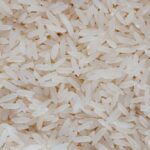
in the verdant expanse of rice paddies,a transformative journey unfolds that bridges tradition and innovation. The humble grain, once nurtured by the elements and harvested by hand, is now harnessed by cutting-edge technology and modern techniques. “Transforming Grains: The Modern Paddy Processing Journey” delves into the intricate pathways that grains traverse from field to table. This exploration reveals not just the rich tapestry of cultural importance embedded in rice cultivation,but also the advancements shaping its processing into a staple found in kitchens around the world. From the glistening stalks swaying under the sun to the sleek machinery in bustling mills, this article will illuminate the processes and innovations that elevate a simple grain into an essential component of global cuisine. Join us as we uncover the remarkable story of paddy processing in the contemporary era, highlighting the delicate balance between age-old practices and the relentless march of technology.
The Evolution of Paddy Processing Techniques to Meet Modern demands
Today’s paddy processing focuses not only on efficiency but also on sustainability and food safety. Newer methods emphasize eco-friendly practices, reducing the carbon footprint associated with rice production. Technologies like solar drying and water-saving irrigation systems are being implemented alongside traditional methods. Moreover, the emphasis on health has led to the growth of fortified rice with added vitamins and minerals to combat nutritional deficiencies. The modern paddy processing journey is thus characterized by a blend of tradition and innovation, enabling producers to uphold quality while addressing contemporary challenges like climate change and food security.
| Technique | Description | Benefits |
|---|---|---|
| Automatic Milling | Utilizes machines for efficient rice milling | Increased yield, reduced labor costs |
| Color Sorting | Machine sorting based on grain color | Improved quality, less waste |
| Solar Drying | Dried using solar energy | Eco-friendly, energy-efficient |
| Fortification | Adds essential vitamins and minerals to rice | Better nutritional value |

Innovative Technologies Reshaping grain Quality and Efficiency
Emerging technologies are revolutionizing the way we assess and enhance the quality of grains, resulting in not only improved efficiency but also a significant impact on sustainability. Artificial intelligence (AI) and machine learning are becoming pivotal in quality assessment processes,allowing for precise analysis of grain attributes such as moisture content,size,and color. These technologies utilize image recognition algorithms that can identify imperfections in paddy, ensuring that only the highest quality products make it to market. By automating these processes, producers can save time, reduce waste, and increase overall yield.
Furthermore, advancements in sensor technology have enabled real-time monitoring during paddy processing stages. Such as, smart sensors can track temperature and humidity levels continuously, optimizing conditions throughout storage and milling.Innovative solutions such as IoT devices facilitate seamless communication between equipment to enhance coordination and minimize interruptions. The integration of these technologies not only streamlines operations but also boosts the overall quality of the final product. As industries continue to adopt these cutting-edge tools, the future of grain processing will be defined by efficiency and excellence.
| Technology | Impact on Grain Processing |
|---|---|
| AI & machine Learning | Improves quality assessment and minimizes defects |
| smart Sensors | Enhances real-time monitoring for optimal storage |
| IoT Devices | Streamlines equipment communication for increased efficiency |
Sustainability Practices in the Paddy Processing Lifecycle
The journey of paddy from field to consumer table is increasingly intertwined with sustainability practices that promote environmental health and enhance economic viability. as processing facilities evolve, they are adopting a variety of innovative techniques that prioritize eco-friendliness. Some of these practices include:
- Water Recycling: By implementing sophisticated filtration systems, processors can reuse water in various stages of milling, significantly reducing consumption.
- Energy Efficiency: Modern paddy processing plants often utilize renewable energy sources, such as solar or biomass, to power machinery and minimize reliance on fossil fuels.
- Waste Valorization: By-products from processing, such as husk and bran, are repurposed into biofuel, animal feed, or even bioplastics, closing the loop in resource utilization.
Equally critically important is the emphasis on responsible sourcing and partnerships with local farmers, which supports sustainable agricultural practices. By fostering relationships that encourage organic cultivation and fair trade, processing facilities not only enhance the quality of the grains but also promote biodiversity.These partnerships manifest in various forms, including:
| Collaboration Type | Benefit |
|---|---|
| Training Programs | Educate farmers on sustainable practices and crop management. |
| Market Access | Connect farmers with fair pricing and larger distribution networks. |
| Research Initiatives | Develop resilient paddy varieties that require less water and are pest-resistant. |
Future Trends in Paddy Processing: Strategies for adaptation and Growth
As the global demand for rice continues to rise, the paddy processing industry must evolve to meet the economic and environmental challenges ahead. To remain competitive, businesses should consider implementing innovative technologies that enhance efficiency and reduce waste.For example, the adoption of smart processing systems utilizing IoT sensors can help monitor grain quality in real-time, ensuring optimal processing conditions.moreover, integrating automated machinery can streamline operations, diminish labor costs, and guarantee consistent product quality. These strategic choices not only make processing more efficient but also bolster sustainability through reduced energy consumption and minimized spoilage.
In addition to technological advancements,fostering stronger supply chain collaborations will be essential for growth in paddy processing. Engaging with local farmers and suppliers can create a more resilient food system, promoting traceability and enhancing the quality of raw materials. By investing in training programs for farmers, processors can ensure that high-quality paddy is sourced, leading to superior finished products. Moreover,exploring diversification strategies,such as developing gluten-free rice products or value-added snacks,can open up new market opportunities. Together, these adaptations will position the paddy processing sector to thrive in a rapidly changing landscape.
Insights and Conclusions
the journey of transforming grains from paddy to polished rice is a fascinating interplay of tradition and innovation. As we’ve explored, each step in the processing chain not only reflects advancements in technology but also honors age-old practices that have sustained communities for generations. The modern paddy processing experience is a testament to human ingenuity, merging efficiency with an appreciation for the agricultural heritage that farms around the world embrace. As producers continue to innovate, enhancing quality and sustainability, the humble grain transforms not just into a staple food, but into a symbol of resilience and adaptability. As we move forward, the commitment to improving paddy processing holds promise, ensuring that this vital resource continues to nourish future generations. The journey does not end here; it evolves with every harvest, inviting us to witness the modern transformations that celebrate both our past and our potential.