
In a world were food security and sustainable agriculture are becoming increasingly vital, the quest for efficient farming solutions has never been more pressing. Enter the mini rice mill—a compact yet powerful tool that promises to revolutionize the way we approach rice production. This ingenious invention not only streamlines the milling process but also empowers farmers to maximize their harvests while minimizing waste.As modern agriculture faces challenges ranging from fluctuating markets to the impacts of climate change, the versatile mini rice mill emerges as a beacon of innovation and resilience. Join us as we explore how this small-scale powerhouse could change the landscape of rice farming, enhance livelihoods, and pave the way for a more sustainable future in food production.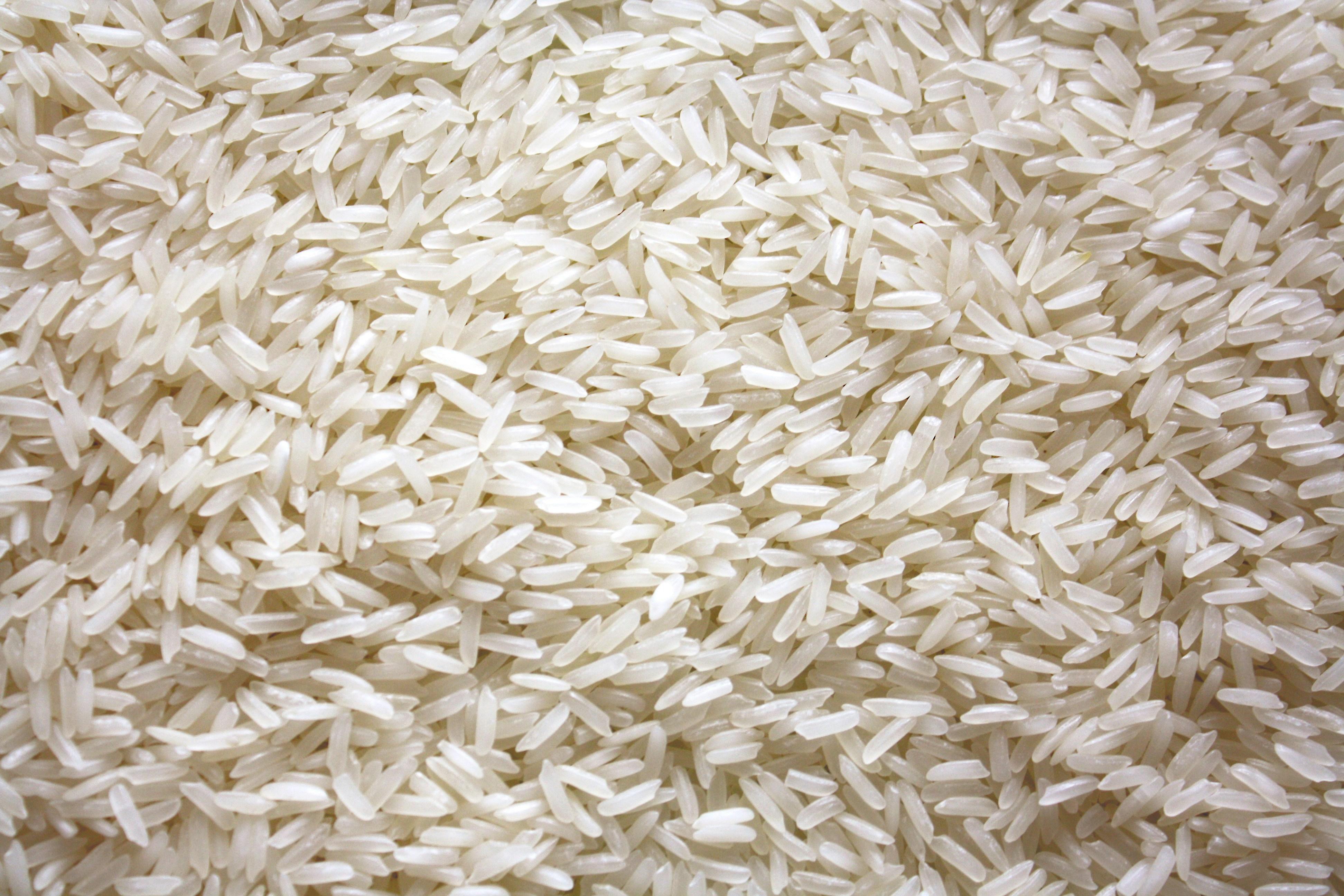
Unlocking the Power of Mini Rice Mills for Small-Scale farmers
The advent of mini rice mills has been a game-changer for small-scale farmers, who often face challenges in post-harvest processing due to limited resources and equipment. These compact, versatile machines enable farmers to process rice efficiently right on their farms, ensuring fresher produce while saving time and labor costs.By incorporating a mini rice mill into their operations, farmers can effortlessly transition from raw grain to market-ready rice, maximizing both yield and profitability. The benefits are manifold:
- Cost Efficiency: Reduced external processing fees and transportation costs.
- Quality Control: Immediate processing safeguards the quality of the rice.
- Enhanced Income: Ability to sell polished rice directly to consumers.
- Reduced Labor: simplified operation allows for less manpower.
Moreover, mini rice mills are designed with user-amiable features that require minimal maintenance and training, making them accessible even to novice farmers. With options for various processing capacities, these mills cater to a range of farm sizes and harvesting volumes. Here’s a simple comparison of mill capacities that highlight their adaptability:
| Mill Type | Processing Capacity (kg/hr) | Suitable Farm Size (ha) |
|---|---|---|
| Small Mini Mill | 100 | Up to 2 |
| Medium Mini Mill | 250 | 2 - 5 |
| Large Mini Mill | 500 | 5+ |
By investing in a mini rice mill, small-scale farmers not only streamline their production process but also empower themselves to take charge of their economic future. This innovative approach aligns perfectly with sustainable agriculture practices, allowing farmers to produce high-quality rice while minimizing waste and resource use. Thus,the journey toward greater independence and profitability begins with unlocking the potential of these small yet powerful machines.

Essential features to Look for in an Efficient Mini Rice mill
When selecting a mini rice mill, its crucial to focus on features that enhance productivity and ensure high-quality output. Look for durable construction materials, as these can considerably prolong the lifespan of the machine. Additionally, energy efficiency is a vital aspect; a mill that consumes less power while providing optimal performance will save costs and reduce environmental impact. The ease of operation and maintenance should not be overlooked. User-friendly controls and straightforward cleaning processes can save valuable time and increase the efficiency of milling operations.
Moreover,consider the milling capacity that meets your specific needs. A mill with adjustable settings for different grain types can provide versatility, allowing you to experiment with various rice varieties or other grains. Safety features are equally vital; built-in sensors or automatic shut-off systems can prevent accidents during operation. Furthermore, assess the availability of spare parts and customer service support, which can be crucial for troubleshooting and repairs. Combining these essential features will empower you to pick a mini rice mill that truly boosts your productivity while delivering remarkable results.
Maximizing Efficiency: Tips for Operating Your mini rice mill
To ensure your mini rice mill operates at its peak efficiency, start with proper maintenance. Regularly check the machine for any signs of wear and tear, and adhere to a routine cleaning schedule to remove husk and dust build-up. By keeping the mill in pristine condition, you can reduce downtime and prolong its lifespan. Additionally, it’s beneficial to establish a daily routine for operators to follow, including:
- Checking lubrication levels
- Inspecting belts and gears
- Calibrating the settings based on grain type
Another key aspect of maximizing output is to optimize grain quality before milling. Ensure the rice is properly dried and cleaned before it enters the mill. Moisture content can dramatically affect milling efficiency, so aim for a moisture level of 14-16%. Consider using a grading system to categorize your grains, which will allow you to adjust milling processes based on the specific characteristics of each batch. the following table illustrates optimal conditions for various rice types:
| Rice Type | Ideal Moisture (%) | Recommended Milling Pressure |
|---|---|---|
| White Rice | 14-16 | Low |
| Brown Rice | 12-14 | Medium |
| Jasmine Rice | 14-16 | high |
Sustainable Practices with Mini Rice Mills for Enhanced productivity
The integration of mini rice mills into farming practices is revolutionizing how rice is processed and cultivated. By adopting these compact machines, farmers can engage in sustainable practices that not only reduce waste but also enhance productivity. Mini rice mills consume less energy and water compared to larger models, making them an eco-friendlier option. Not only do they process rice more efficiently,but they also allow farmers to reclaim valuable by-products such as bran for animal feed or compost. This circular approach fosters a sustainable farming ecosystem, contributing to the overall conservation of resources.
Furthermore, the versatility of mini rice mills aids in empowering local economies and communities.farmers can mill their own rice on-site, leading to fresher product availability and reduced transportation emissions. As a result, this encourages local consumption and reinforces agricultural independence. By implementing a mini rice milling system, farmers can establish cooperative models, wherein groups can pool resources and share milling facilities. This not only enhances productivity but also cultivates a sense of community among growers.
| Benefits of Mini Rice Mills | Sustainable Impact |
|---|---|
| Energy Efficiency | Reduced carbon footprint |
| Water Conservation | Less water usage per batch |
| By-product Utilization | Bran for feed and compost |
| Local Economy Boost | Empowerment through independence |
In Retrospect
As we explore the transformative potential of mini rice mills, it becomes clear that these compact powerhouses are not just tools, but vital partners in modern agriculture. By streamlining the milling process, improving grain quality, and enhancing productivity, they offer farmers an prospect to maximize their harvests and broaden their reach in the market.
In a world where efficiency and sustainability are paramount, the mini rice mill stands as a beacon of innovation. It empowers smallholder farmers, supports local economies, and paves the way for a future where every grain counts. Whether you are a seasoned farmer seeking to optimize your operations or a newcomer eager to make your mark in rice cultivation,investing in a mini rice mill could be the key to unlocking your farming potential.
As we conclude this journey into the world of mini rice mills, remember that the path to a fruitful harvest is paved with the right tools and knowledge. Embrace the versatility of this solution, and watch your efforts translate into success, one grain at a time.



