
In the heart of many rural landscapes, where emerald fields sway gently with the rhythm of the wind, a silent revolution is underway. Agriculture, a cornerstone of civilization and sustenance, is poised for transformation through the emergence of innovative technologies. At the forefront of this agricultural evolution are mini rice mills, small yet powerful machines that promise to redefine the way we cultivate, process, and distribute one of the world’s most essential staples. These compact marvels not only streamline production but also empower local farmers by enhancing efficiency, reducing waste, and fostering economic resilience. As we delve into the multifaceted benefits of mini rice mills, we uncover how they are not just tools of convenience, but pivotal agents of change in the quest for sustainable agriculture and food security across the globe.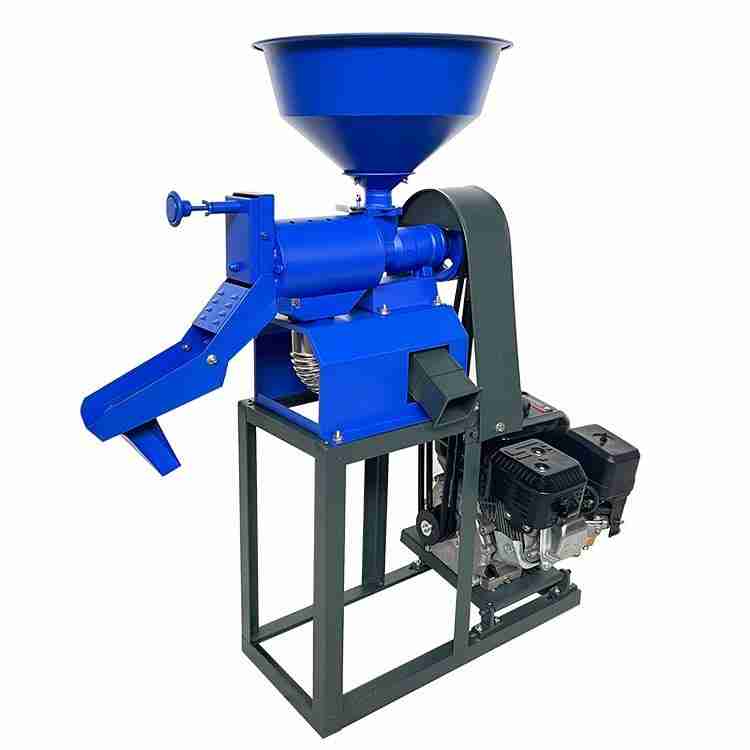
The Impact of Mini Rice Mills on Smallholder Farmers
The emergence of mini rice mills has introduced a transformative shift in the agricultural landscape, particularly benefiting smallholder farmers. These compact milling machines enable farmers to process their own harvests right on their farms, significantly reducing the dependency on traditional, larger mills located far away. By closing the gap between production and processing, farmers can enjoy several advantages:
- Improved Profit Margins: Farmers can retain a higher share of their profits by processing their rice independently.
- Time Efficiency: The ability to mill rice on-site means less time spent transporting grains to external mills.
- Quality Control: Farmers can ensure higher quality standards by overseeing every step of the milling process.
Furthermore, mini rice mills foster a sense of community among local farmers, promoting collaborative efforts for shared harvest periods and joint investments in machinery. This cooperative model not only strengthens relationships but also enables farmers to leverage economies of scale. To illustrate the impact on yield and income, the following table outlines a comparison of earnings before and after the adoption of mini mills:
| Parameter | Before Mini Mill | After Mini Mill |
|---|---|---|
| Average Yield (tons/acre) | 2.5 | 3.2 |
| Processing Fees (USD/ton) | 30 | 10 |
| Net Income (USD/year) | 5,000 | 8,000 |
This table not only highlights improvements in yield but also demonstrates how reduced processing fees enhance overall profitability, moving smallholder farmers towards a more sustainable agricultural future.
Enhancing Food Security Through Efficient Rice Processing
Efficient rice processing is a cornerstone of food security, particularly in regions heavily reliant on rice as a staple food. By integrating mini rice mills into local agricultural systems, communities can produce higher-quality rice with reduced post-harvest losses. These compact and affordable machines allow farmers to handle their rice milling needs on-site, which not only shortens the supply chain but also empowers farmers to retain more of their profit. This localized approach to rice milling enhances product quality, ensuring that more consumers have access to nutritious food sources.
In addition to improved processing capabilities, mini rice mills provide several significant benefits that can bolster food security:
- Reduced Costs: Lower operational expenses compared to larger mills make rice processing accessible to smallholder farmers.
- Job Creation: Establishing mini mills creates local employment opportunities, promoting economic stability.
- Community Resilience: Local processing reduces dependency on external suppliers, fostering self-sufficiency.
Adopting this technology not only addresses the immediate needs for food security but also establishes a sustainable agricultural ecosystem. The result is a robust, community-driven food system that can withstand fluctuations in global markets while delivering essential nutrients to local populations.

Sustainable Practices in mini rice mill Operations
In the realm of agriculture, integrating sustainability into mini rice mill operations not only enhances efficiency but also mitigates environmental impacts. Embracing eco-friendly technologies and practices can significantly optimize resource use and minimize waste. For instance, the adoption of solar-powered milling equipment can reduce reliance on non-renewable energy sources, leading to lower operational costs and carbon emissions. Moreover, sourcing local paddy not only curtails transportation footprints but also supports local farmers, fostering community resilience and economic stability.
Another pivotal aspect of sustainable mini rice mills is the effective management of by-products. Utilizing husk and bran as a source of energy or for animal feed can transform what would otherwise be waste into valuable resources. Implementing a closed-loop system facilitates the recycling of water used in milling processes, reducing overall water consumption and protecting local ecosystems. The table below illustrates the benefits of these sustainable practices:
| Sustainable Practice | Benefits |
|---|---|
| Solar-Powered Equipment | Reduces energy costs and carbon footprint |
| Local Sourcing of Paddy | Supports local economies and reduces transportation emissions |
| Utilization of By-products | Minimizes waste and creates additional revenue streams |
| Water Recycling Systems | Conserves water and protects ecosystems |
Innovative Technology and Future Trends in Rice Milling
Advancements in technology are reshaping the landscape of rice milling, making it more efficient and accessible than ever before. One of the most notable developments is the move towards mini rice mills, which not only consume less energy but are also tailored for smaller-scale farmers. This innovative equipment is designed to improve the quality of rice while significantly reducing labor costs. Key features of these mills include:
- Compact Design: Easy to transport and install, perfect for rural settings.
- Energy Efficiency: Operate with minimal power consumption, reducing costs and environmental impact.
- Multi-Functionality: Capable of husking, polishing, and grading, all in one machine.
- User-Friendly Technology: Designed with simple controls for ease of operation.
Looking towards the future, the integration of smart technology and IoT (Internet of Things) capabilities into rice mills is set to revolutionize agricultural practices further. By adopting these cutting-edge advancements, farmers can monitor their milling processes in real-time, track machine performance, and optimize grain quality with precise adjustments. The following table depicts anticipated features of next-gen rice milling technologies:
| Feature | Benefits |
|---|---|
| Automated Photonics Sensors | Improves quality detection and sorting capabilities. |
| Data Analytics Integration | Provides insights for optimizing milling processes. |
| Remote Maintenance Monitoring | Reduces downtime with proactive service alerts. |
The Way Forward
As we stand at the crossroads of innovation and tradition, mini rice mills are not merely tools—they are catalysts for change. By integrating advanced technology with age-old farming practices, these compact powerhouses are empowering farmers, enhancing productivity, and promoting sustainable practices. The journey of revolutionizing agriculture is ongoing, but the seeds of transformation are firmly planted in fields around the world. As we look ahead, it is clear that the future of rice farming—and indeed agriculture as a whole—will be shaped by our ability to harness these small yet mighty machines. In embracing this change, we are not only securing the livelihoods of farmers but also ensuring a more resilient, food-secure planet. As the hum of the mini rice mill rises with the sun, it signals not just the end of a day’s labor, but the dawn of a new era in agriculture.



