
Revolutionizing Agriculture: The Rise of the mini rice mill
In the heart of rural landscapes, where golden fields sway under the sun’s warm embrace, agriculture remains a cornerstone of livelihood for millions. Yet, as global challenges like climate change and food security loom ever larger, innovation in farming practices becomes crucial. Enter the mini rice mill: a game-changing technology poised to redefine rice processing for smallholder farmers. With its compact design, affordability, and efficiency, the mini rice mill not only enhances productivity but also empowers local communities by improving access to value-added processing. This article explores the rise of these innovative machines, delving into their potential to transform agricultural practices, uplift economies, and foster sustainability in regions where rice is more than just a staple—it’s a way of life. Join us as we uncover how the mini rice mill stands on the frontier of agricultural revolution, bridging tradition with modernity in the quest for a sustainable future.
The Transformation of Traditional Farming Techniques
The integration of innovative technologies into agriculture has initiated a significant shift in farming practices, particularly in rural areas where traditional methods have long dominated. This transformation is best exemplified by the advent of mini rice mills, which have revolutionized the post-harvest processing stage. Unlike conventional, larger-scale rice mills that require extensive infrastructure and operational costs, mini rice mills offer a more accessible alternative. Farmers can now convert their freshly harvested crops into market-ready products with remarkable efficiency and reduced resource expenditure, fostering greater economic independence.
The rise of these compact milling solutions brings several benefits that cater to the evolving needs of modern agriculture. Key advantages include:
- Cost-Effectiveness: Mini rice mills significantly lower the financial barriers for smallholder farmers.
- Efficiency: These machines are designed to process rice quickly, reducing the time between harvest and market.
- Portability: Lightweight and easy to transport, allowing farmers to set up operations directly at their farms.
- Quality Control: Enhanced processing results in higher quality rice, bolstering farmers’ market competitiveness.
This trend is supported by a resurgence of interest in sustainable practices, as farmers become more conscious of both their economic impact and the environmental footprint of their operations. Transitioning to mini rice mills not only streamlines production but also empowers farmers to adopt more sustainable farming techniques, connecting them firmly to the emerging agricultural landscape.
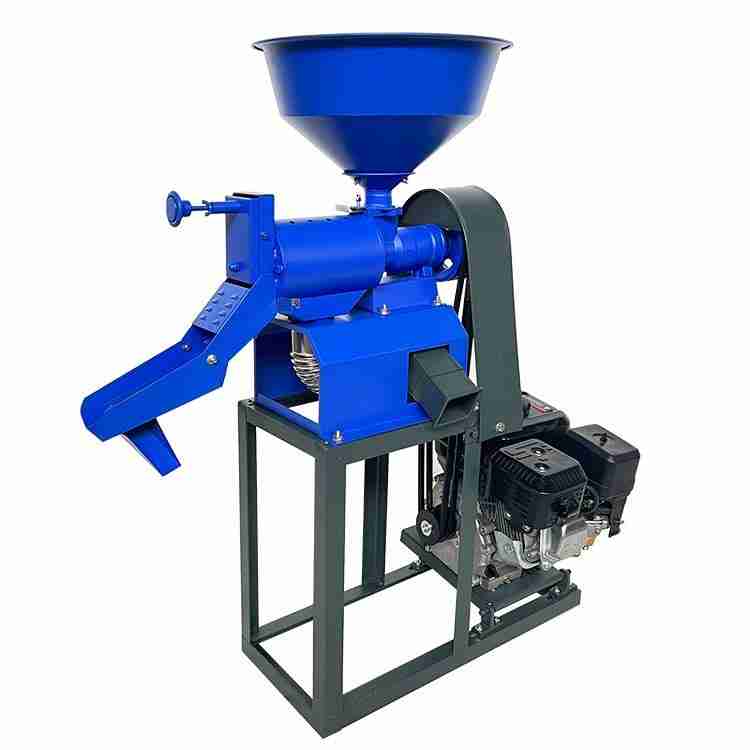
Benefits of Mini Rice Mills for Small-Scale Farmers
Mini rice mills are gradually transforming the landscape for small-scale farmers, making rice production more efficient and cost-effective. By minimizing the reliance on large, centralized processing facilities, these mills empower farmers to take charge of their grain processing. One of the primary advantages is lower operating costs, as farmers can save on transport fees and reduce post-harvest losses. Furthermore, accessibility to mini rice mills enhances the quality of rice by allowing farmers to process their crops immediately after harvest, thus preserving freshness and flavor. The small footprint of these mills also means they can fit in local environments, making it easier for farmers to adopt sustainable practices without overwhelming their resources.
Beyond the economic benefits, mini rice mills play a crucial role in creating job opportunities within rural communities. By establishing local milling operations, farmers can employ additional hands for various tasks such as processing and packaging, thus stimulating the local economy. Moreover, with the potential for value addition, farmers can experiment with diversifying their products, from packaging brown rice to producing rice flour or even rice bran oil. This diversification not only enhances income streams but also promotes food security by ensuring a steady supply of rice products tailored to local markets. The overall impact of mini rice mills fosters a thriving agricultural ecosystem that supports growth, sustainability, and resilience among small-scale farmers.
Sustainable Practices Enhancing Productivity and Profitability
In recent years, mini rice mills have emerged as an innovative solution to sustainably enhance agricultural productivity and profitability. By integrating state-of-the-art technology with traditional practices, these compact systems provide farmers with the ability to process their rice crop on-site. This not only reduces transportation costs but also minimizes post-harvest losses, a common concern in the agricultural sector. The ability to mill rice locally fosters a stronger connection between producers and consumers, thus promoting local economies. Moreover, many of these mills are designed to embrace energy-efficient mechanisms, effectively lowering energy consumption while maximizing output.
Adopting mini rice mills comes with a host of benefits that align harmoniously with sustainable agricultural goals. Some of the notable advantages include:
- Reduced Waste: On-site milling reduces the waste associated with transporting unprocessed rice to distant facilities.
- Enhanced Quality Control: Farmers have better control over the milling process, ensuring high-quality rice that meets market demands.
- Empowerment of Farmers: With local milling facilities, farmers can increase their profit margins and invest in further agricultural improvements.
As the agricultural landscape continues to evolve, incorporating sustainable practices through technologies like mini rice mills represents a pivotal shift towards a more profitable and environmentally friendly future.
Future Trends in Rice Milling Technology and Market Impact
The landscape of rice milling technology is witnessing a significant transformation, driven by innovation and the urgent need for sustainable agricultural practices. The advent of mini rice mills is a testament to this shift, making rice processing more accessible to small-scale farmers. These compact machines are not only cost-effective but also space-efficient, facilitating local production that reduces transportation costs and time. Key advancements include:
- Automation: Modern mini rice mills come equipped with automated systems that enhance efficiency and precision.
- Energy Efficiency: New technologies significantly reduce energy consumption, aligning with global sustainability goals.
- Modular Design: Many mini mills feature modular components that allow farmers to customize their setup according to specific needs.
As these technologies evolve, the impact on the rice market is expected to be profound. Increased adoption of mini rice mills could lead to greater rice availability in local markets, helping to stabilize prices and improve food security. Additionally, with their lower operational costs, smallholders may find themselves more competitive in the global market. The following table illustrates potential impacts on production and market dynamics:
| Impact Area | Before Mini Mill Adoption | After Mini Mill Adoption |
|---|---|---|
| Local Production | Low | High |
| Operational Costs | High | Lower |
| Market Price Stability | Volatile | More Stable |
| Access for Small Farmers | Limited | Improved |
Concluding Remarks
the emergence of mini rice mills stands as a testament to innovation’s power to reshape industries. As we have explored, these compact yet efficient machines not only enhance productivity but also empower small farmers by providing access to affordable milling technology. With the ability to reduce post-harvest losses, improve the quality of rice, and promote local economies, mini rice mills are quietly revolutionizing agriculture in rural communities around the world. As we look to the future, embracing such advancements promises not only to elevate the livelihoods of farmers but also to contribute to global food security. The journey of agriculture is ever-evolving, and with each new innovation, we are reminded that the path forward is filled with potential and opportunity.



