
In the bustling world of agriculture, where tradition often meets modernity, a quiet revolution is taking place in the heart of rural landscapes: the mini rice mill. This innovative solution marries efficiency with a distinctive touch of creativity, transforming the way rice is processed and cultivated. As farmers face the dual challenges of rising production costs and an increasing demand for quality agricultural outputs, these compact machines stand as beacons of progress. By streamlining operations and enhancing productivity, mini rice mills are not just improving harvests—they are reshaping the livelihoods of smallholders and communities. In this article, we delve into the mechanics of this breakthrough, exploring how the integration of technology and sustainability is paving the way for a more resilient agricultural future.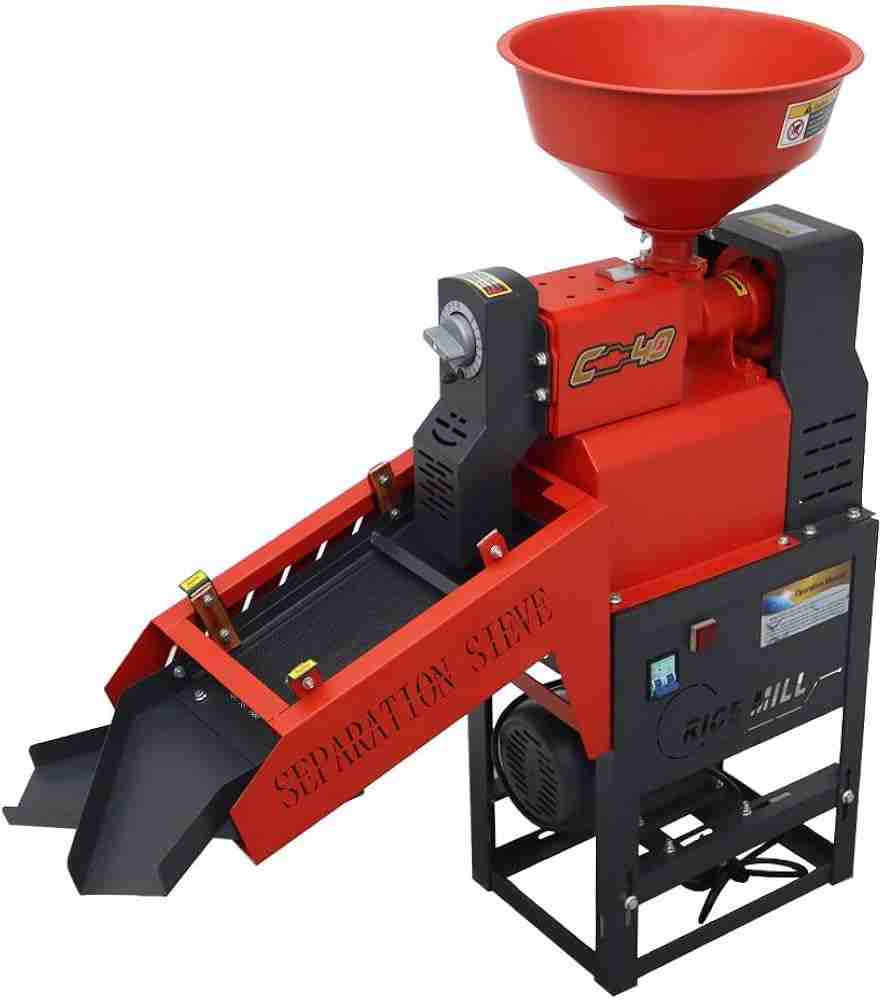
The Rise of Mini Rice Mills: Transforming Traditional Agriculture
In recent years, the emergence of mini rice mills has revolutionized the landscape of traditional agriculture, providing farmers with modern solutions that cater to their specific needs. Unlike their larger counterparts, these compact and efficient machines are designed to be affordable and accessible, enabling smallholder farmers to process their harvest on-site. This innovation not only reduces the time and labor involved in rice milling but also enhances the quality of the final product, empowering farmers to retain a larger share of the profits instead of depending on external mills.
Furthermore, the integration of advanced technology in mini rice mills promotes sustainable agricultural practices. By adopting energy-efficient designs and utilizing locally available materials, these mills minimize environmental impact while maximizing productivity. This approach also fosters a sense of community among farmers, as they can collaborate to establish micro-milling units that serve multiple households. Key benefits of mini rice mills include:
- Reduced processing costs: Local milling lowers transportation expenses.
- Improved product quality: Freshly milled rice maintains better taste and nutritional value.
- Enhancement of local economies: Job creation and reduced dependence on outside processors.

Enhancing Productivity through Technological Advancements
The mini rice mill revolution has ushered in a new era of productivity, driven by cutting-edge technology that marries efficiency with innovation. This breakthrough not only simplifies the rice milling process but also enhances the quality of the final product. With advanced automation and smart controls, these mini mills minimize human error and maximize output, allowing small-scale farmers and entrepreneurs to thrive in a competitive market. Unlike traditional milling systems, which can be cumbersome and time-consuming, modern mini rice mills utilize features that streamline operations, including:
- Energy-efficient motors that reduce power consumption.
- Integrated cleaning systems that ensure high-quality grain preparation.
- Compact designs suited for limited spaces, perfect for rural settings.
Moreover, these technological advancements have democratized access to rice processing, empowering small farmers to capitalize on their harvests without the dependency on larger milling operations. With real-time monitoring systems, users can track productivity and maintenance needs, ensuring optimal functioning and longer lifespan of the equipment. The introduction of digital interfaces helps operators fine-tune settings for different rice varieties, maximizing yield and reducing waste. This shift not only signifies a leap in technological innovation but also fosters sustainable agricultural growth, as illustrated in the table below highlighting the benefits of adopting the mini rice mill technology:
| Feature | Traditional Mill | Mini Rice Mill |
|---|---|---|
| Power Consumption | High | Low |
| Processing Time | Hours | Minutes |
| Space Requirement | Large | Compact |
| Maintenance Complexity | High | Easy |
Sustainable Practices: Balancing Efficiency with Environmental Responsibility
In the realm of rice milling, the incorporation of sustainable practices is not just an option but a necessity. Mini rice mills are leading the charge in this transformation, proving that efficiency doesn’t have to come at the cost of environmental integrity. These innovative machines utilize energy-efficient technologies, such as advanced steam and water usage systems that drastically reduce waste. Additionally, the role of renewable energy sources, like solar power, is pivotal in powering operations, minimizing reliance on fossil fuels, and significantly lowering greenhouse gas emissions.
Moreover, the economic implications are equally compelling. By adopting eco-friendly protocols, mini rice mills are not only reducing their carbon footprint but also enhancing productivity. This balance can be achieved through practices like integrated pest management and organic farming techniques, which not only ensure a sustainable yield but also promote biodiversity. Below is a simple comparison of traditional vs. mini rice mill operations that highlights these efficiency gains:
| Operation Type | Energy Consumption | Waste Generation | Carbon Footprint |
|---|---|---|---|
| Traditional Rice Mill | High | Significant | High |
| Mini Rice Mill | Low | Minimal | Low |
As the demand for eco-conscious production methods rises, the fertilization of innovation with sustainable practice is essential for the future of the agricultural landscape. By channeling their efforts into harmonious operations that respect the planet, mini rice mills stand to redefine industry standards, ushering in a new era marked by both efficiency and environmental stewardship.
Navigating Challenges: Recommendations for Future Growth and Adoption
To harness the full potential of mini rice mills, stakeholders must focus on overcoming present barriers that hinder their adoption. Government initiatives can play a crucial role by providing subsidies or financial incentives to farmers and small scale enterprises. This support can encourage the transition from traditional milling methods to more modern solutions. Additionally, forming partnerships with local cooperatives and agricultural organizations can facilitate knowledge sharing and resource pooling, ensuring that operators receive adequate training in utilizing these innovative machines effectively. Establishing community-led demonstration farms can help showcase the benefits of mini rice mills, boosting local interest and fostering a culture of innovation.
Moreover, enhancing market access for small-scale rice producers is vital for sustained growth. Creating digital platforms that connect farmers directly with consumers will not only enhance their profitability but also raise awareness about the advantages of using mini rice mills. Incorporating sustainable practices into the production process should also be emphasized, as this resonates with eco-conscious consumers and increases competitiveness in the market. Furthermore, investing in research and development focused on improving machine efficacy and reducing operational costs will ensure that the mini rice mill remains relevant and appealing. A collaborative approach among stakeholders—including government, industry experts, and farmers—will pave the way for future advancements and widespread adoption.
Closing Remarks
In the evolving landscape of agriculture, the mini rice mill stands as a testament to the harmonious blend of efficiency and innovation. This revolution not only addresses the urgent need for sustainable practices and reduced labor costs but also empowers farmers with the ability to process rice on their own terms. As we observe the impact of these compact machines, it becomes clear that they are more than just tools; they are catalysts for change, igniting a ripple effect that can transform rural economies and improve the livelihoods of countless individuals.
As we look to the future, the journey of the mini rice mill serves as an inspiring blueprint for other sectors striving to balance productivity with technological advancement. By embracing such innovations, we can forge a path toward a more resilient agricultural ecosystem, ultimately nourishing both our communities and our planet. The revolution is underway, and its promise is just beginning to unfold; one small mill at a time, we are witnessing a new era in rice production—a fusion of tradition and modernity, aimed at cultivating a brighter tomorrow.



