
In a world where food security and sustainability are increasingly paramount, the agricultural sector continually seeks innovative solutions to enhance productivity while minimizing waste. Enter the mini rice mill plant—a transformative technology that is reshaping the landscape of rice processing. Designed to cater to smallholder farmers and entrepreneurs, this compact yet powerful equipment not only streamlines the milling process but also unlocks a plethora of benefits that extend far beyond mere rice production. By empowering local communities with the tools to process their own grains, mini rice mills pave the way for economic growth, enhanced livelihoods, and improved food quality. In this article, we delve into the multifaceted advantages of adopting mini rice mill plants and explore how they are revolutionizing rice milling practices across the globe. Join us as we uncover the untapped potential of this remarkable innovation.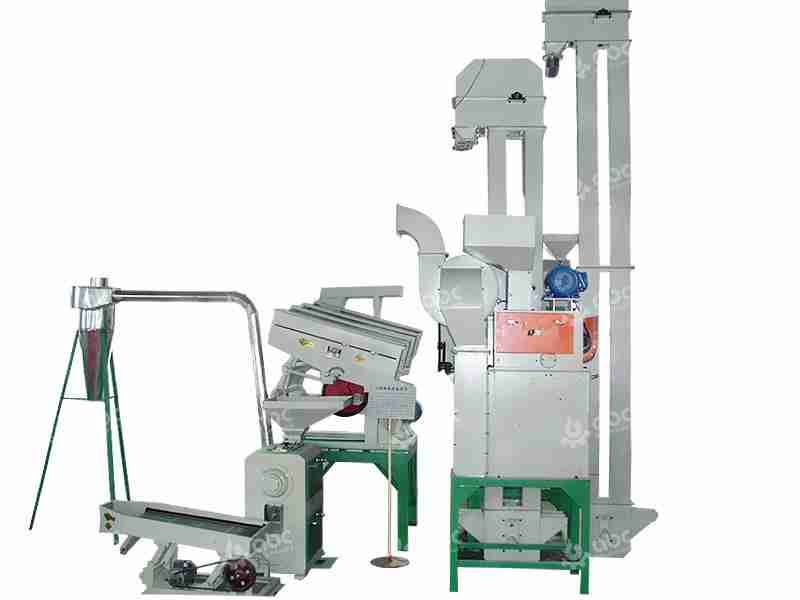
Exploring the Economic Advantages of a Mini Rice Mill Plant
Investing in a mini rice mill plant can provide significant economic benefits for small-scale farmers and entrepreneurs. By facilitating local processing of rice, these plants enable producers to retain a larger share of the profits typically allocated to external milling companies. This enhanced income stream can lead to improved living standards and better resources for agricultural inputs. Moreover, a local mill reduces transportation costs and time, allowing farmers to bring their produce to market more efficiently. The proximity of the mill also contributes to lower spoilage rates, ultimately ensuring fresher rice reaches consumers.
Furthermore, a mini rice mill plant can create employment opportunities within the community. By sourcing labor locally, these mills can stimulate economic activity and support families. The presence of a mill may also encourage the establishment of additional local businesses, such as packaging and grinding services, further reinforcing the local economy. Additional economic advantages include:
- Reduced dependency on larger mills: Empowering farmers and lowering costs.
- Job creation: Providing diverse employment options in rural areas.
- Value addition: Enhancing the quality and marketability of rice products.
- Access to market: Enabling farmers to enter new markets easily.
| Economic Benefit | Description |
|---|---|
| Higher Profit Margins | Farmers retain more profits by processing their own rice. |
| Job Creation | Local employment opportunities decrease migration. |
| Reduced Costs | Lower transportation and operational expenses enhance savings. |
| Community Development | Stimulates growth and support of local businesses. |
Enhancing Agricultural Productivity through Local Processing
Establishing a mini rice mill plant can serve as a catalyst for local agricultural development, transforming raw rice into value-added products right at the source. This not only prevents the loss of quality during transportation but also ensures that farmers receive a fair price for their produce. By engaging in local processing, communities can benefit in several ways:
- Increased Revenue: Farmers gain more from their crops due to reduced intermediary costs.
- Job Creation: The establishment of a mini rice mill generates employment opportunities, reducing local unemployment rates.
- Enhanced Quality Control: Processing locally allows for strict quality measures and better product standards.
- Support for Sustainable Practices: Local processing encourages the use of eco-friendly production methods.
Moreover, incorporating a mini rice mill into the local agricultural fabric fosters a sense of community and shared responsibility among stakeholders. Farmers can engage more actively in the production process, which not only elevates their skills but also promotes cooperative efforts towards achieving sustainability. The economic boost delivered by such facilities can be best illustrated in the following table:
| Benefits | Impact |
|---|---|
| Revenue Increase | Up to 30% more for farmers |
| Employment Opportunities | 10-15 new jobs per mill |
| Quality Assurance | Higher market standards |
| Environmental Sustainability | Reduction in carbon footprint |
Through such local initiatives, agricultural productivity is not only enhanced, but the entire community can experience a ripple effect of economic benefits, leading to a sustainable future for all involved.
Sustainability and Innovation: The Environmental Benefits of Mini Rice Mills
The integration of mini rice mills into local agricultural systems has sparked a transformation in sustainable practices. These small-scale mills not only facilitate greater self-sufficiency among farmers but also significantly minimize the environmental footprint associated with traditional rice milling processes. By utilizing local resources, they contribute to a reduced need for transportation, thereby cutting down carbon emissions. Moreover, the small-scale operations mean that energy consumption is notably lower, which aligns with the principles of sustainability. In essence, mini rice mills offer a pathway for farmers to engage in greener practices while enhancing their economic conditions.
Key environmental advantages of implementing mini rice mills include:
- Waste Reduction: These mills use advanced technology to minimize waste by ensuring maximum utilization of rice byproducts.
- Water Conservation: Innovative milling methods often require less water compared to conventional processes, promoting efficient resource use.
- Soil Health Improvement: Rice husks and other byproducts can be employed as organic fertilizers, enriching soil quality naturally.
- Job Creation: By localizing milling processes, these plants create employment opportunities, supporting local economies and reducing the socio-economic strain often seen in rural areas.
To encapsulate the impact of mini rice mills on the environment and community, consider the following comparison of traditional versus mini rice mill operations:
| Feature | Traditional Mill | Mini Rice Mill |
|---|---|---|
| Energy Usage | High | Low |
| Transport Emissions | Extensive | Minimal |
| Waste Output | High | Lower |
| Impact on Local Economy | Limited | Significant |
In light of these benefits, it becomes clear that mini rice mills are not merely an economic model; they also represent a sustainable approach to food processing that can lead to far-reaching environmental and social advantages.
Navigating the Initial Investment and Operational Considerations
Embarking on the journey of establishing a mini rice mill plant inevitably involves careful consideration of both investment and operational factors. The initial investment can vary significantly based on location, equipment choice, and facility scale. Potential investors should prepare to allocate funds for essential aspects such as:
- Machinery – purchasing or leasing milling equipment and related technology.
- Land – acquiring or renting a suitable location for the plant.
- Licensing and Permits – understanding and complying with local regulations.
- Working Capital – ensuring enough cash flow for operational expenses during the startup phase.
Once the initial financial considerations are addressed, focusing on operational efficiency becomes crucial. Efficient management of resources will enhance productivity and profitability, and entrepreneurs should consider the following:
- Supply Chain Management – establishing reliable sources for quality paddy rice.
- Labor Management – training workforce to optimize performance and minimize errors.
- Maintenance – scheduling regular upkeep of machinery to avoid costly downtime.
Additionally, strategic marketing can broaden your customer base, while competitive pricing will help secure client loyalty. By thoughtfully addressing both initial and ongoing operational factors, entrepreneurs can cultivate a sustainable mini rice mill business that truly unlocks its potential.
In Conclusion
As we draw the curtain on our exploration of mini rice mill plants, it becomes clear that these compact powerhouses hold transformative potential for both local economies and individual farmers. By streamlining rice processing on a smaller scale, they not only enhance efficiency but also empower communities to harness the full value of their harvests. The benefits extend beyond simple economics; they foster sustainability, reduce waste, and promote self-sufficiency.
In a world increasingly focused on innovation and resilience, a mini rice mill plant emerges as more than just a business venture—it symbolizes hope and opportunity. Whether you’re a budding entrepreneur, a farmer seeking to optimize production, or simply someone inspired by the art of agriculture, the journey towards unlocking potential starts with understanding these essential tools.
The future of rice milling is not just about producing grain; it’s about cultivating possibilities. As we look ahead, may we continue to embrace the advancements that empower agricultural communities, ensuring that no grain goes to waste and every farmer thrives.



