
In the vibrant tapestry of culinary traditions around the globe, rice stands as a staple that transcends cultures and cuisines. Whether it’s the fragrant basmati that graces Indian feasts, the sticky glutinous variety that complements Asian dishes, or the hearty arborio used in Italian risottos, the right grain can elevate a meal from mundane to memorable. But behind every perfect grain is a skilled processor, a rice mill that meticulously transforms harvested paddy into polished grains ready to be savored. As we navigate the landscape of grain processing in 2023, this article shines a spotlight on the top rice mills of the year, offering insights into their practices, technologies, and the qualities that set them apart. By exploring these industry leaders, you’ll discover how the choice of a rice mill can influence not just the grain’s quality but also its journey from field to plate. Join us as we embark on this exploration, helping you find your ideal grain processor and ensuring that every dish you create is nothing short of exceptional.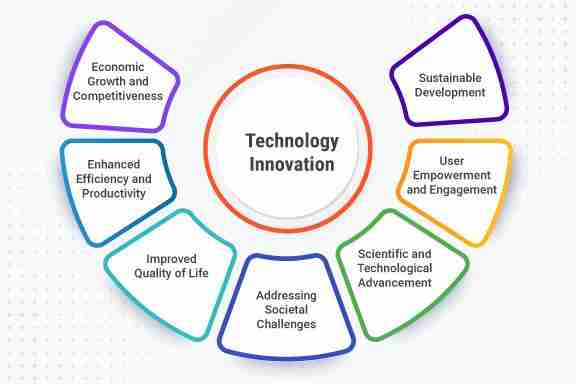
Exploring the Innovation Landscape of Modern Rice Milling
The modern rice milling landscape has transformed drastically with the advent of advanced technology, bringing forth innovations that improve efficiency, quality, and sustainability. Today’s rice mills are not only equipped with state-of-the-art machinery, but they also embrace smart technology, enabling real-time monitoring and management. This evolution allows processors to fine-tune their operations, ensuring that each grain is milled to perfection. Some standout technological advancements include:
- Automation: Enhanced efficiency through automated processes reduces labor costs while increasing output.
- IoT Integration: Internet-connected devices provide insights into production metrics, helping millers to optimize their workflows.
- Energy-efficient machinery: Innovations that lower energy consumption contribute to a more sustainable milling operation.
Furthermore, the push towards sustainability is reshaping not just the milling process but also the entire supply chain. Mills are adopting eco-friendly practices by utilizing by-products for bioenergy and improving waste management systems. Many leading rice mills commit to environmentally conscious practices that align with growing consumer demand for organic and sustainably sourced products. Here’s a snapshot of some key players making strides in this arena:
| Milling Company | Innovative Approach | Sustainability Initiatives |
|---|---|---|
| EcoMills Inc. | Automated Quality Control Systems | Zero waste policy by repurposing by-products |
| GreenGrain Ltd. | IoT-enabled Monitoring | Solar-powered operations |
| White Pearl Mills | Advanced Sorting Technology | Organic certification and community support programs |

Key Features to Look for in a High-Quality Rice Mill
When selecting a top-tier rice mill, several essential features can significantly enhance your processing experience. Durability and build quality are imperative; a machine constructed with robust materials will withstand rigorous daily use. Additionally, opt for a mill with a versatile grinding mechanism that can handle various rice types, ensuring you can process everything from brown to white rice. Consider energy efficiency, as high-performing models can reduce electricity costs over time. Integrating user-friendly controls can also streamline operation, allowing for quick adjustments and ease of use.
Another important aspect to examine is the cleaning and maintenance features of the rice mill. A mill with easy-to-clean parts will save time and labor, ensuring it stays in excellent condition for longer periods. Look for models equipped with advanced filtration systems to enhance the quality of the final product. The ability to process rice at different settings or levels of fineness can also be a game-changer for achieving your desired texture. customer reviews and support services can provide valuable insights, so opting for brands known for their reliable customer service can tremendously benefit your rice processing journey.
Top Picks for Best Rice Mills: Performance and Value Comparison
The landscape of rice mills in 2023 showcases an impressive array of options that cater to diverse needs without compromising on performance or value. When choosing the right rice mill for your kitchen or business, consider factors such as processing efficiency, ease of use, and maintenance requirements. Some standout models include:
- XYZ 1000 Series - Known for its high output and durability. It features a user-friendly interface and requires minimal maintenance.
- ABC Eco Mill – An energy-efficient model that excels in preserving the nutritional quality of grains, making it popular among health-conscious consumers.
- RiceMaster Pro – Offers advanced milling technology, ensuring consistent results and hassle-free operation.
For those who prioritize value, our comparison table highlights some critical aspects to help you make an informed decision:
| Model | Price | Grain Output (kg/h) | Warranty |
|---|---|---|---|
| XYZ 1000 Series | $499 | 50 | 2 Years |
| ABC Eco Mill | $399 | 40 | 1 Year |
| RiceMaster Pro | $650 | 60 | 3 Years |
Ultimately, selecting a rice mill that aligns with your processing requirements and budget can significantly enhance your culinary experience. Each model presents its unique characteristics, helping you identify the best fit for your specific needs.
Sustainable Practices in Rice Milling: Making Environmentally Friendly Choices
In the quest for eco-friendly rice milling, many top manufacturers are adopting innovative techniques that not only enhance efficiency but also minimize environmental impact. One such practice is the utilization of renewable energy sources for powering milling operations. By integrating solar panels and biomass energy systems, mills can significantly reduce their reliance on fossil fuels and lower greenhouse gas emissions. Additionally, the adoption of advanced milling technologies contributes to better resource management, ensuring higher yields and reduced waste generation during processing. These changes not only benefit the environment but also appeal to a growing consumer base that prioritizes sustainability.
Another essential aspect of sustainable rice milling is the effective management of by-products from the milling process. Leading rice mills are now implementing circular economy principles by converting husks and bran into valuable products such as animal feed, natural fertilizers, and biofuels. This not only lessens the environmental footprint but also creates additional revenue streams for the mills. Furthermore, many are engaging in water conservation practices, employing closed-loop systems to minimize water usage during the milling process, ensuring that precious resources are preserved. By making these environmentally friendly choices, rice mills are paving the way for a more sustainable future in the agricultural sector.
In Retrospect
As we wrap up our exploration of the top rice mills of 2023, it’s clear that choosing the right grain processor is no small feat. The myriad of options available can make it feel overwhelming, but with the insights gleaned from our comprehensive guide, you’re now better equipped to navigate this crucial decision. Whether you’re a culinary enthusiast seeking the perfect grain for your recipes or a business owner aiming to elevate your product line, understanding the features, benefits, and reputations of these rice mills will empower you to make an informed choice.
Remember, the perfect grain processor is not just about efficiency; it’s also about quality, reliability, and the unique needs of your journey with rice. As you embark on this culinary adventure, we hope you find a mill that resonates with your vision and enhances your creations. Thank you for joining us in this exploration, and may your grains always be perfectly processed. Happy milling!



