
Unveiling the Journey: Inside a Paddy Processing Unit
Nestled in the heart of rural landscapes, where emerald fields sway gently in the breeze, lies a remarkable world that transforms humble grains into staple sustenance. The paddy processing unit, often overlooked, plays a pivotal role in this journey from crop to cuisine. As the sun rises over the fields, illuminating the golden grains ready for harvest, it beckons us to explore the intricate processes that envelop a seemingly simple seed. In this article, we take you behind the scenes of a paddy processing unit—an unseen nexus where traditional agricultural practices meet modern technology. Through a detailed exploration of the stages involved in processing paddy, from milling to packaging, we uncover the dedication and innovation that ensure rice, a cornerstone of global diets, reaches our tables in its finest form. Join us as we unveil the journey of paddy, revealing the craftsmanship and care that shape every grain into a vital component of culinary culture.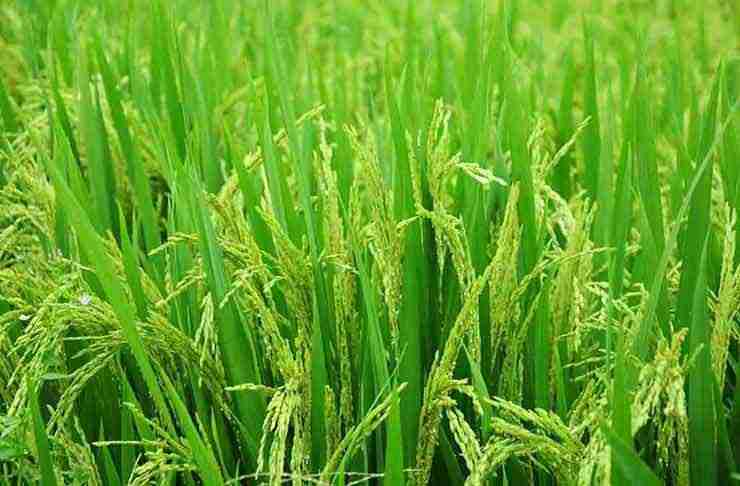
The Lifecycle of Paddy: From Field to Processing Facility
The journey of paddy begins in lush, sprawling fields, where farmers meticulously tend to green shoots rising from the rich, waterlogged earth. Cultivation plays a pivotal role, requiring a harmonious blend of timing, climate, and traditional farming techniques. As the golden grains mature, it’s not merely about harvesting; it’s about honoring the cycle of life nurtured by both nature and labor. Once the paddy is harvested, it undergoes a transition to a processing facility, which acts as the bridge connecting the agricultural landscape to the consumer’s table. Here, mechanization and skilled labor come together to transform the raw product into various forms, ready for market distribution.
At the processing facility, the lifecycle of paddy shows yet another fascinating layer as it moves through a series of well-defined stages. The first step is cleaning & drying, where harvested paddy is cleaned to remove impurities and dried to reduce moisture. This is followed by the milling process, which involves husking to separate the rice from the outer husk and then milling to produce white rice, which is graded based on quality. The table below outlines the core stages of this transformative process:
| Process Stage | Description |
|---|---|
| Cleaning | Removal of dirt, husk, and stones. |
| Drying | Reducing moisture content to prevent spoilage. |
| Husking | Separation of rice grain from the husk. |
| Milling | Polishing rice for a clean, white appearance. |
| Packaging | Final preparation for consumer delivery. |
Understanding the Machinery: Essential Equipment in Paddy Processing
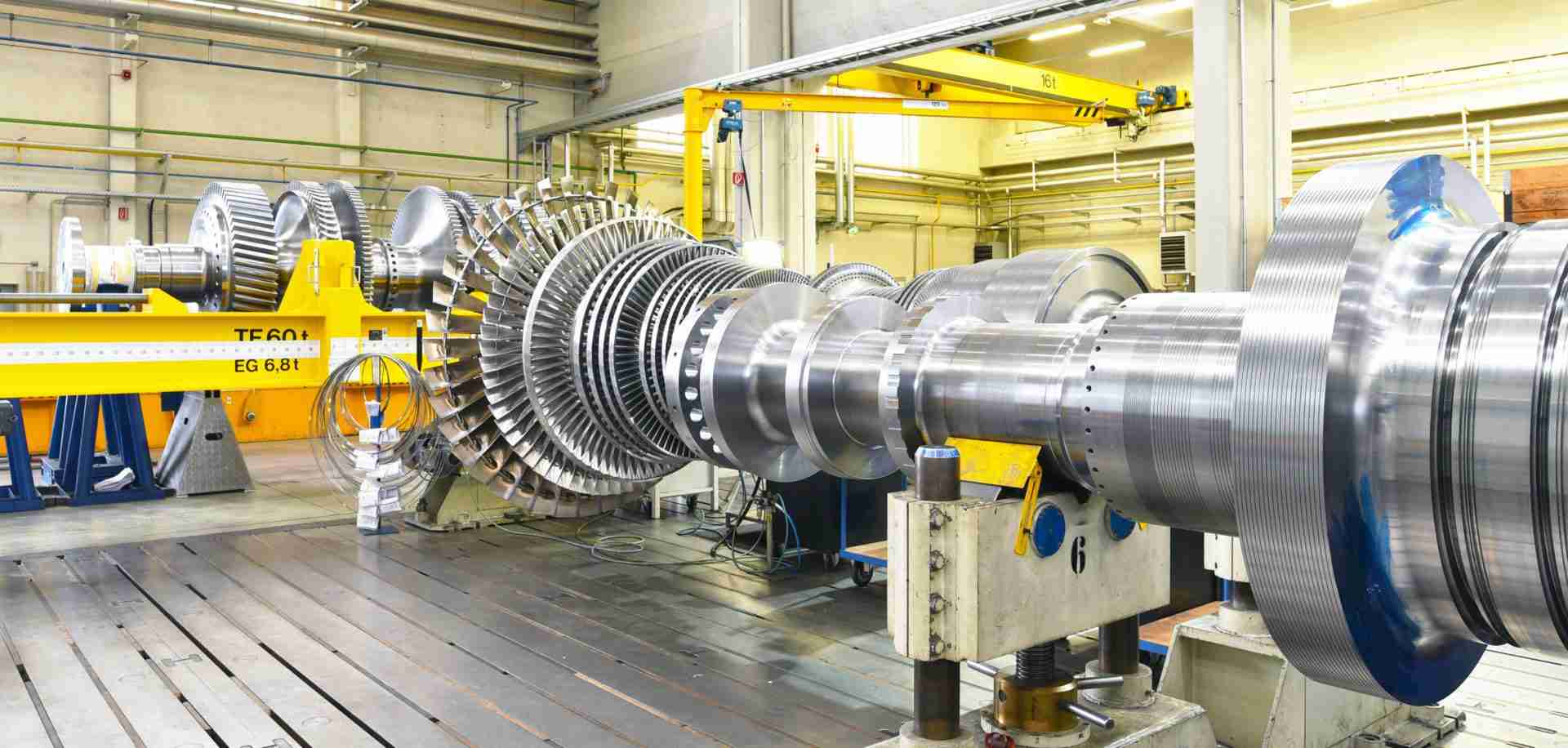
In a paddy processing unit, the intricate dance of machines transforms raw grains into the polished rice that graces our tables. Each piece of equipment plays a crucial role in ensuring the quality and efficiency of the process. Combined harvesters take center stage, swiftly reaping the golden fields and preparing the paddy for its journey. Once harvested, the grains are transported to rice mills, where they undergo a series of operations designed to remove husks and bran. Key machinery includes:
- Paddy Separator: This machine separates unhulled paddy from husked rice, ensuring only the best grains proceed to the next steps.
- Rice Whitener: Removing the bran layer, this equipment polishes the rice to a brilliant sheen, enhancing both appearance and taste.
- Grading Machines: These machines sort rice based on size and quality, allowing producers to market their products more effectively.
The integration of modern technology elevates the processing experience, with automatic systems ensuring smoother operations and minimal human intervention. Water is an essential component in this process, primarily during the tempering phase, where moisture is evenly distributed to facilitate husk removal. To illustrate the significant machinery involved, the following table outlines the essential equipment alongside their main functions:
| Equipment | Main Function |
|---|---|
| Paddy Separator | Separates unhulled paddy from rice |
| Rice Whitener | Polishes and refines rice grain |
| Grading Machines | Sorts rice by size and quality |
| Color Sorter | Eliminates discolored or defective grains |
Each machine, with its unique function, contributes to a seamless workflow, ultimately reflecting the dedication and craftsmanship behind every grain of rice that reaches consumers. The synergy of these components not only highlights technological advancement but also celebrates the age-old tradition of rice cultivation and processing, ensuring that we savor the fruits of the labor both in taste and quality.
Quality Control Measures: Ensuring Excellence at Every Stage
In the realm of paddy processing, quality control measures are essential for guaranteeing that each grain meets the highest standards. This process begins right at the source where the paddy is harvested. Once collected, the grains are meticulously examined for moisture content, foreign materials, and signs of spoilage. Implementing a blend of traditional techniques and advanced technology, each batch undergoes rigorous testing before moving on to the next stage. These initial checks are complemented by real-time monitoring throughout processing, ensuring that consistency and safety are maintained. Key techniques employed include:
- Visual Inspection: Trained professionals assess the grain’s appearance and detect any abnormalities.
- Moisture Testing: Maintaining optimal moisture is crucial for avoiding spoilage during storage.
- Sorting Mechanisms: High-tech equipment automatically separates impurities from prime grains.
As the grains progress through the processing unit, further inspection takes place at every phase. Quality control not only addresses the physical aspects but also includes sensory evaluations, where aroma and texture are analyzed. Following this multi-tiered approach, the final product receives comprehensive testing before packaging. In addition, the establishment of feedback loops from customers aids in continuously refining quality standards. Below is a snapshot of the various checks involved:
| Processing Stage | Quality Check | Description |
|---|---|---|
| Harvesting | Moisture Content | Ensures grains are at ideal moisture levels to prevent spoilage. |
| Cleaning | Foreign Material Detection | Removes stones, dirt, and other contaminants from the grains. |
| Milling | Color Grading | Checks for uniformity in color and identifies any discolored grains. |
| Packing | Sensory Evaluation | Tests aroma and texture to ensure product quality before delivery. |
Sustainability Practices: Reducing Environmental Impact in Processing Operations
In the quest for eco-friendliness, paddy processing units are embracing innovative techniques that significantly lower their environmental footprint. One noteworthy approach is the utilization of renewable energy sources, such as solar panels and biomass, to power machinery and reduce reliance on fossil fuels. This shift not only cuts energy costs but also curtails greenhouse gas emissions. Furthermore, the integration of water recycling systems has become a priority, allowing facilities to reuse water within the processing cycle, thereby conserving this precious resource. Such systems are designed to filter and purify water, enabling it to be safely recycled without compromising the quality of the processed rice.
Beyond energy conservation, paddy processing units are also focusing on minimizing waste through sustainable practices. These include:
- Implementing strict waste segregation methods to promote recycling and composting.
- Utilizing by-products such as husk and bran for animal feed or biofuel production.
- Employing modern machinery that enhances efficiency and reduces unnecessary waste output.
To measure and communicate these sustainable efforts, many units are adopting a framework that outlines their eco-friendly achievements. Below is a sample table demonstrating some of the sustainability metrics that can be tracked:
| Metric | Status | Goal |
|---|---|---|
| Energy Efficiency (%) | 80% | 90% |
| Water Reuse Rate (%) | 70% | 85% |
| Waste Recycling Rate (%) | 60% | 75% |
By actively measuring these indicators, paddy processing units not only enhance their operational efficiency but also contribute positively to the environment, paving the way for a greener future in agricultural processing.
In Conclusion
As we conclude our exploration within the intricate world of a paddy processing unit, we’ve witnessed the fascinating interplay of nature, technology, and human ingenuity. From the vibrant green fields where the journey begins to the meticulously maintained equipment that converts raw grain into the staple of countless meals, every step is a testament to the dedication and craftsmanship involved in this age-old process.
The transformation of paddy into polished rice is more than a mere industrial operation; it is a vibrant story of culture, sustainability, and the relentless pursuit of quality that nourishes communities around the globe. As we unveil the various stages of this journey, we invite you to reflect on the broader implications of food production, the importance of supporting local agriculture, and the innovations that continue to shape our food systems.
In a world where the distance between farm and table can feel vast, understanding the processes that underpin our food can foster a deeper appreciation for the labor that sustains us. We hope this glimpse into the inner workings of a paddy processing unit has provided not just knowledge, but also inspiration to cherish and celebrate the food we often take for granted. After all, every grain has a story worth telling.



