
In a world where innovation is the driving force behind agricultural advancement, the humble grain continues to occupy a central role in feeding billions. Amidst the vast fields and towering harvesters, a new player has emerged on the scene: the Combine mini rice mill. This compact yet powerful machine is not just a testament to technological ingenuity, but also a catalyst for change in rural farming communities. As the global demand for rice surges, the Combine mini rice mill presents an efficient, accessible solution that promises to transform the way grains are processed. In this article, we will explore the rise of this groundbreaking technology, its implications for small-scale farmers, and how it is shaping the future of rice production and food security. Join us on a journey through the revolution of grains, where tradition meets innovation, paving the way for a more sustainable agricultural landscape.
Harnessing Innovation: The Technology Behind Mini Rice Mills
The evolution of mini rice mills is a testament to the incredible strides in agricultural technology. Designed to be efficient and user-friendly, these machines incorporate advanced features that simplify the rice milling process. With an emphasis on efficiency, innovation has led to the integration of modern components such as:
- Automated husking systems that minimize labor costs and enhance processing speed.
- Sound and vibration sensors that assist in real-time monitoring of machinery performance.
- Energy-efficient motors that not only save costs but reduce the environmental impact.
Moreover, many mini rice mills now harness the power of data analytics to improve operation. By utilizing dashboards and connectivity tools, mill operators can access crucial performance metrics that guide them in making informed decisions. This seamless integration is supported by:
| Feature | Benefit |
|---|---|
| Remote Monitoring | Allows oversight from anywhere, ensuring optimal performance. |
| Predictive Maintenance | Reduces downtime by anticipating equipment failures before they happen. |
| Data-Driven Insights | Enhances operational efficiency through informed decision-making. |
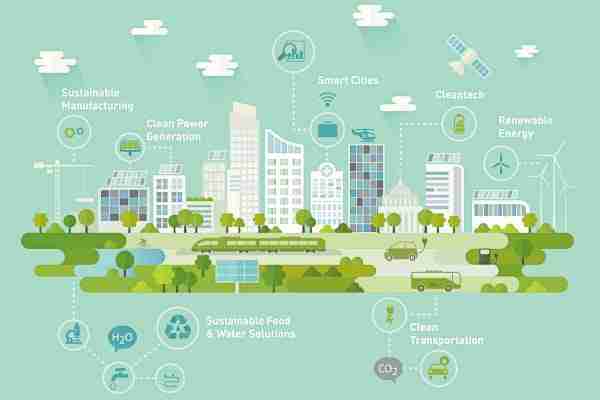
Sustainable Solutions: Environmental Benefits of Mini Rice Production
Mini rice production is not merely a trend; it embodies a substantial shift towards sustainability in agriculture. Implementing small-scale mills significantly reduces the environmental impact compared to traditional large-scale systems. The reduced footprint of these operations leads to lower energy consumption, resulting in decreased greenhouse gas emissions. By utilizing locally sourced materials and labor, these mini mills also promote a robust local economy while minimizing transportation emissions.
Additionally, the introduction of eco-friendly practices within mini rice production has sparked innovative approaches to waste utilization and resource management. Here are some key environmental advantages:
- Water Conservation: Mini rice mills often employ water-efficient technologies, drastically cutting down water usage during processing.
- Soil Health: With better practices in crop rotation and organic farming methods encouraged by local production, soil degradation is minimized.
- Waste Repurposing: By-products such as rice husks can be transformed into biofuel or organic fertilizer, reducing landfill waste.
| Aspect | Impact |
|---|---|
| Energy Usage | 50% reduction compared to large mills |
| Water Consumption | 30% savings with efficient processes |
| Local Job Creation | Increased employment opportunities in rural areas |
Empowering Small Farmers: Economic Impact and Accessibility
In recent years, the introduction of the combine mini rice mill has emerged as a pivotal solution in enhancing the livelihoods of small farmers. These innovative machines drastically reduce the time and labor associated with rice production, allowing farmers to maximize their output and minimize post-harvest losses. The benefits are manifold, including:
- Increased Yield: With faster processing times, farmers can handle larger volumes of rice, ensuring that more produce reaches the market.
- Cost Efficiency: The reduced need for manual labor leads to significant savings on operational costs.
- Improved Quality: Mills equipped with modern technology provide better husking and polishing, enhancing the marketability of the rice.
- Direct Market Access: By processing their own grains, farmers can sell directly to consumers or retailers, cutting out middlemen.
This shift towards mechanization not only empowers farmers economically but also enhances accessibility to agricultural markets. The adoption of mini rice mills is particularly transformative for smallholders in regional and rural areas, who traditionally faced barriers such as:
- Limited Infrastructure: Many small farmers operate in locations where access to larger, industrial mills is impractical.
- High Transport Costs: Transporting grains to distant processing facilities can significantly erode profits.
- Quality Control Issues: Farmers often have little to no control over the quality of processing done elsewhere.
By reducing these barriers, the combine mini rice mill demonstrates how targeted technological advances can reshape the agricultural landscape, enabling local communities to cultivate a sustainable economic future.
Future Trends: The Role of Mini Rice Mills in Global Food Security
The evolution of mini rice mills represents a pivotal shift in agricultural systems globally, particularly in areas where food security is increasingly threatened by climate change, population growth, and economic instability. By significantly reducing processing costs and time, these compact machines are becoming essential for smallholder farmers and cooperatives. With their ability to produce high-quality rice with minimal energy consumption, mini rice mills enable local farmers to retain more of their profits, thus fostering economic resilience in rural communities. This, in turn, contributes to sustainable development practices by minimizing the reliance on imported, processed grains and encouraging local consumption.
Furthermore, mini rice mills are adapting to the latest technological innovations, such as IoT integrations and automation, which enhances their efficiency and usability. The following benefits outline their role in bolstering food security:
- Increased Accessibility: Their compact size and affordability make them accessible to smallholder farms.
- Minimal Waste: Advanced milling techniques reduce grain loss during processing.
- Local Empowerment: Encourages community-driven initiatives by supporting local production.
- Diverse Functionality: Many models can process various grains, offering versatility to farmers.
To further illustrate the impact of mini rice mills on regional food production and security, consider the following comparative statistics:
| Year | Rice Production (Million Metric Tons) | Mini Rice Mills in Use |
|---|---|---|
| 2018 | 475 | 200,000 |
| 2020 | 510 | 350,000 |
| 2022 | 530 | 500,000 |
As indicated, the rise in the number of mini rice mills correlates with increased rice production, exemplifying their contribution to enhancing food security across diverse regions. The future outlook, then, is bright as these innovations hold the potential to uplift entire communities, making strides toward global food security through localized, efficient grain processing.
In Retrospect
As we stand on the brink of a new era in grain processing, the rise of the combine mini rice mill heralds a transformative shift in the agricultural landscape. This innovative machinery is not just a marvel of engineering but a beacon of hope for smallholder farmers and communities striving for greater efficiency and sustainability. By merging advanced technology with traditional practices, the mini rice mill not only enhances productivity but also supports local economies and food security.
the adoption of these compact, versatile mills has the potential to revolutionize the way we think about rice production and processing. As we continue to explore and embrace such innovations, it is essential to foster an environment where both creativity and practicality thrive. The journey of the combine mini rice mill is just beginning, and its impact may very well redefine the future of grains and the lives they touch. As we look ahead, let us remain open to the possibilities that lie within this evolving narrative, one where sustainable practices and technological advances work hand in hand for a brighter agricultural future.



