
In the ever-evolving landscape of agriculture, innovation remains the cornerstone of progress, transforming traditional practices into sustainable solutions for modern farming challenges. Among the myriad advancements, the mini rice mill emerges as a beacon of versatility and efficiency, quietly revolutionizing how smallholder farmers approach rice production. This compact yet powerful machine capitalizes on both technology and practicality, addressing the pressing needs of rural communities while minimizing waste and maximizing yield. As we delve into the multifaceted benefits and applications of the mini rice mill, we uncover how it is not only reshaping agricultural practices but also empowering farmers to thrive in an increasingly competitive market. Join us on this journey as we explore the impact of this remarkable tool and its potential to foster a new era in agriculture.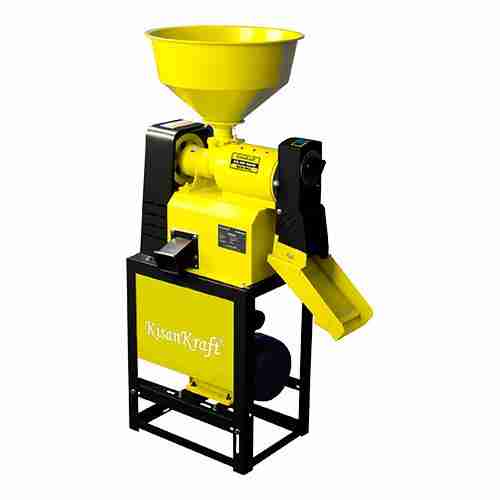
Exploring the Advantages of Mini Rice Mills in Modern Farming
In the ever-evolving landscape of agriculture, mini rice mills are emerging as a transformative tool that caters to the needs of modern farmers. These compact machines provide significant benefits that enhance productivity and efficiency while ensuring optimal resource utilization. Not only do they simplify the process of milling rice, but they also offer a number of advantages that contribute to sustainable farming practices. Farmers can enjoy lower operational costs, reduced labor requirements, and the ability to mill rice on-demand, which helps maintain the freshness and quality of the product.
Moreover, mini rice mills empower farmers by enabling them to take control of their post-harvest processes. Through local processing, farmers can significantly increase their profit margins by eliminating the need for intermediaries. The ability to produce quality rice on-site allows for better inventory management, reducing spoilage during transportation. Additionally, these machines support environmental sustainability by minimizing waste. Some of the key advantages include:
- Compact Design: Easy to transport and install, making them suitable for small farms.
- Energy Efficient: Designed to consume less energy compared to traditional mills.
- Versatile Processing: Capable of milling various grains, offering flexibility to farmers.

Enhancing Efficiency: How Mini Rice Mills Transform Harvesting Practices
The advent of mini rice mills has ushered in a new era of agricultural efficiency, significantly altering the landscape of traditional harvesting practices. Smallholder farmers, often overwhelmed by the labor-intensive processes associated with rice milling, now have access to machinery that drastically reduces both time and effort. With these compact and user-friendly systems, farmers can enjoy the following advantages:
- Reduced Processing Time: Mini rice mills complete the milling process in a fraction of the time compared to traditional methods.
- Cost-Effectiveness: Smaller units require less investment and lower operational costs, making them accessible for local farmers.
- Increased Accessibility: Lightweight and easy-to-transport, mini mills can be deployed directly at farming sites, minimizing the need for lengthy transport to distant milling facilities.
The direct impact of these innovations is evident in the improved productivity and profitability of farmers. With enhanced milling efficiency, farmers are now able to produce more refined rice faster, leading to greater market opportunities. Consider the following comparative performance metrics:
| Traditional Method | mini rice mill |
|---|---|
| Milling Time: 5-8 hours per batch | Milling Time: 1-2 hours per batch |
| Labor Requirement: 5-7 workers | Labor Requirement: 1-2 workers |
| Waste Percentage: 10-15% | Waste Percentage: 5-7% |
By embracing the capabilities of mini rice mills, farmers are not merely adapting to modern agricultural techniques; they are radically transforming their harvest and market strategies. This pivotal technology, with its myriad advantages, supports the development of sustainable practices while empowering farmers to take charge of their production journey.
Sustainable Farming: The Environmental Impact of Mini Rice Milling Technology
The introduction of mini rice milling technology has a profound impact on the environment, leading to more sustainable agricultural practices. By utilizing these compact, efficient machines, farmers can significantly reduce waste and energy consumption in their operations. Key benefits include:
- Reduction in Water Usage: Mini rice mills require less water compared to traditional methods.
- Lower Carbon Footprint: These technologies utilize renewable energy sources, minimizing greenhouse gas emissions.
- Waste Management: By-products from milling, such as husk and bran, can be repurposed as organic fertilizers or biofuel.
Furthermore, mini rice milling technology enhances land use efficiency, allowing farmers to cultivate more sustainably. This not only ensures higher yield per acre but also preserves the soil quality and prevents over-exploitation of land. The following table summarizes the key environmental benefits associated with mini rice milling:
| Benefit | Description |
|---|---|
| Water Conservation | Minimizes the water required for processing rice. |
| Energy Efficiency | Utilizes lower amounts of energy compared to larger mills. |
| Soil Health | Promotes sustainable practices that enhance soil fertility. |
Empowering Farmers: Access and Affordability of Mini Rice Mills for Rural Communities
Mini rice mills are transforming the agricultural landscape in rural communities by providing accessible and affordable solutions for rice processing. These compact machines not only reduce the dependency on traditional milling facilities but also empower farmers to manage their produce independently. By owning a mini rice mill, farmers can experience the following benefits:
- Cost Savings: Eliminates transportation and milling fees.
- Quality Control: Allows farmers to process their rice to desired quality and standards.
- Time Efficiency: Significantly reduces the time required for milling, leading to faster access to market.
- Increased Income: The ability to sell milled rice can enhance farmers’ earnings.
Furthermore, the introduction of financing options and government support programs has made it easier for rural farmers to acquire these machines. Collaborative efforts between non-profit organizations and local governments have resulted in initiatives that focus on:
| Initiative | Description |
|---|---|
| Subsidized Loans | Offering low-interest loans specifically for the purchase of mini rice mills. |
| Training Programs | Providing education on how to operate and maintain mini mills effectively. |
| Community Cooperatives | Encouraging farmers to pool resources for shared access to milling technology. |
These initiatives, combined with the inherent advantages of mini rice mills, are paving the way for sustainable agricultural practices. As rural communities gain access to these innovative machines, they are not only enhancing their productivity but also fostering a sense of self-reliance and entrepreneurial spirit.
The Way Forward
the versatile mini rice mill stands as a testament to innovation in the agricultural sector, providing a practical solution for farmers and small-scale producers alike. By combining efficiency and sustainability, these compact machines not only streamline the rice milling process but also empower communities to take charge of their own agricultural futures. As we move forward, embracing such transformative technologies could well be the key to addressing the pressing challenges of food security and sustainable farming practices. Ultimately, the mini rice mill represents a fusion of tradition and technology—a small yet mighty tool that has the potential to reinvent how we approach rice production and cultivate resilience in our ever-evolving world. As we look to the future, let us cultivate this momentum, nurturing growth and innovation at every step of the harvest journey.



