
In the heart of bustling agricultural landscapes, where golden fields sway gently under the caress of the wind, a quiet revolution unfolds within the confines of modern rice mills. “Grains to Goodness: The Journey of Modern Rice Mills” invites readers to explore this transformative passage from harvested grains to flavorful meals found on tables around the world. As technological advancements merge with traditional practices, rice mills have evolved into sophisticated hubs of innovation, efficiency, and sustainability. This article delves into the intricate processes that breathe life into every grain, spotlighting the people, practices, and machines that play a vital role in feeding the global population. Join us as we uncover the story behind the journey of rice, from its origins in the fields to its revered place in culinary culture.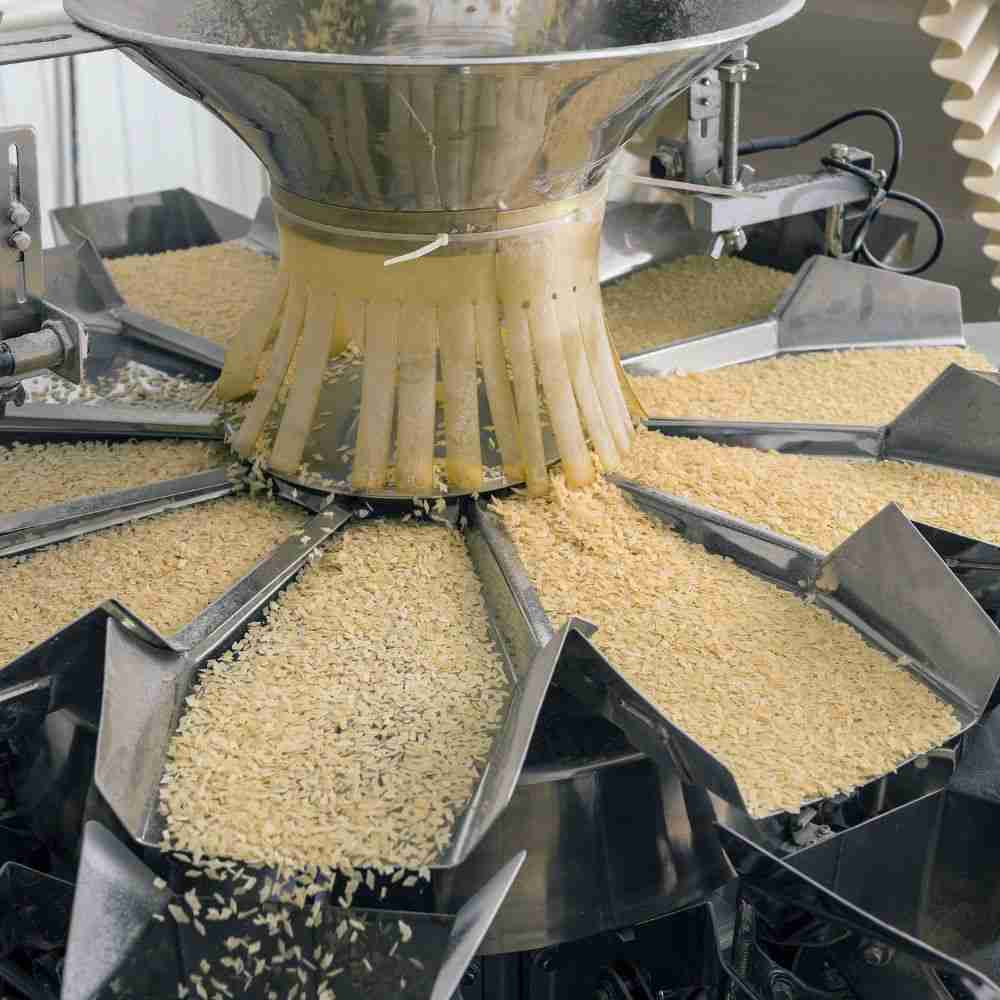
The Evolution of Rice Milling Technology and Its Impact on Quality
The progression of milling technology has profoundly transformed the rice industry, transforming it from a labor-intensive process to a highly efficient system that ensures quality and quantity. Historically, traditional methods heavily relied on manual labor, with stones and wooden mortars serving as the primary tools. As innovation took root, the introduction of modern milling equipment, such as mechanical huskers and polishers, allowed for greater precision and reduced grain wastage. This shift has not only improved output but also enhanced the nutritional profile and taste of rice by minimizing broken grains and preserving essential nutrients.
Today’s advanced milling technology focuses on achieving optimal results through automation and smart machinery. New techniques, such as air classification and infrared drying, have emerged, allowing mills to better control the temperature and moisture content during processing. This ensures that the rice remains flavorful and free from spoilage. Additionally, the implementation of quality control measures using sophisticated sensors helps in maintaining consistency across batches. As the industry continues to innovate, the benefits are clear:
- Improved grain quality: Higher standards of cleanliness and minimal breakage.
- Increased efficiency: Faster processing times with a lower labor requirement.
- Better nutritional retention: Preservation of vitamins and minerals through optimized milling methods.
The impact of these advancements is also reflected in the economic landscape, with modern mills producing more competitive products in the global market. To illustrate the progression, consider the following table showcasing the evolutionary stages of rice milling technology:
| Era | Technology | Impact |
|---|---|---|
| Pre-Industrial | Manual pounding | Labor-intensive, low yield |
| Industrial Revolution | Mechanical mills | Higher efficiency, more output |
| Modern Era | Automated systems | Precision milling, better quality |

Sustainable Practices in Modern Rice Mills: Balancing Efficiency and Environment
In the quest for efficiency, modern rice mills have embraced a variety of sustainable practices that not only enhance productivity but also safeguard the environment. By integrating advanced technology, these facilities have optimized their processes to minimize waste and energy consumption. Among the key initiatives implemented are:
- Water Recycling Systems: These systems capture and purify waste water, allowing for its reuse in other stages of rice processing, thereby conserving precious water resources.
- Energy-Efficient Machinery: Utilizing state-of-the-art equipment that operates on lower energy consumption not only contributes to reduced operational costs but also lowers carbon emissions.
- Sustainable Sourcing: Partnering with local farmers who employ eco-friendly cultivation techniques ensures a responsible supply chain that supports biodiversity.
In addition to these methods, many modern rice mills are adopting eco-friendly packaging solutions to further reduce their environmental footprint. The use of biodegradable materials not only aligns with consumer preferences but also supports waste reduction efforts. A comparative analysis of traditional and sustainable practices reveals a marked difference in environmental impact:
| Aspect | Traditional Practices | Sustainable Practices |
|---|---|---|
| Energy Consumption | High | Reduced |
| Water Usage | Excessive | Minimized |
| Waste Generation | High | Lowered |
| Packaging Waste | Non-biodegradable | Biodegradable |
This focus on sustainability signifies a turning point in the rice milling industry, demonstrating that efficiency and environmental responsibility can harmoniously coexist.
Nurturing Local Economies: The Role of Rice Mills in Community Development
In the heart of rural communities, modern rice mills serve as vital economic engines, transforming not just grains but the very fabric of local livelihoods. These facilities enhance agricultural productivity by offering farmers access to advanced milling technologies and efficient processing methods, ensuring higher yields and superior rice quality. Beyond mere grain production, rice mills foster financial empowerment through fair trade practices, often creating direct market channels for local farmers. This bolstered connection enables farmers to retain a larger share of the profit compared to traditional supply chains, stimulating the local economy and enhancing food security.
Furthermore, rice mills contribute to community development by creating job opportunities and inspiring entrepreneurship. They often employ a diverse workforce, including skilled technicians, laborers, and administrative staff, contributing to the reduction of unemployment rates in the area. The ripple effects of a thriving rice mill can be vast, leading to:
- Investment in Infrastructure: Improved roads and transportation networks to facilitate the movement of goods.
- Skill Development: Workshops on modern agricultural practices and business management.
- Community Programs: Initiatives focusing on education and health that derive funds and volunteers from the mill’s enterprises.
As rice mills become more integral to local ecosystems, they catalyze a cycle of growth that nurtures not only the economy but the spirit of the community itself. By embracing sustainability and social responsibility, these modern facilities are not just producing rice; they are sowing the seeds of hope, innovation, and collective progress.
Future Trends in Rice Processing: Innovations for Healthier Grains
As the global demand for healthier food options continues to rise, rice processing techniques are rapidly evolving. Advanced technologies are enabling mills to enhance the nutritional profile of rice while retaining its natural flavor and grains’ integrity. Some of the most promising trends include:
- Fortification Innovations: Incorporating vitamins and minerals during the milling process to address nutrient deficiencies.
- Whole Grain Processing: Techniques that focus on maintaining the bran and germ layers for added fiber and antioxidants.
- Enhanced Milling Techniques: Utilizing eco-friendly technologies that reduce heat and preserve nutrients during processing.
Additionally, the integration of digital technologies is transforming traditional rice mills into smart facilities. These smart mills not only optimize operational efficiency but also facilitate better monitoring of grain quality. Key technologies making an impact include:
- Blockchain Tracking: Ensuring transparency and authenticity in the supply chain.
- IoT Devices: Monitoring moisture levels and temperatures to maintain ideal storage conditions.
- AI Analytics: Predicting market trends and improving yield forecasts through data-driven insights.
| Innovation | Benefit |
|---|---|
| Fortification | Boosts nutritional value |
| Smart Technology | Enhances operational efficiency |
| Sustainable Practices | Reduces environmental impact |
In Conclusion
As we step away from the vibrant world of modern rice mills, we are reminded that behind every grain lies a tapestry of innovation, tradition, and sustainability. The journey from the paddy fields to the polished packages on our supermarket shelves is not just a transformation of rice; it is a testament to human ingenuity and the relentless pursuit of efficiency. Each mill serves as a bridge between age-old agricultural practices and cutting-edge technology, reminding us that progress can honor time-honored customs while embracing the future.
Through the lens of modernization, we see rice not merely as a staple food, but as a symbol of resilience and adaptability. The advancements in milling processes highlight the broader narrative of how our food systems are evolving in response to a changing world, one grain at a time. As consumers, we are encouraged to appreciate the complexity of this journey, recognizing the myriad hands and minds that contribute to the rice on our plates.
In celebrating the evolution of rice milling, we also embrace the responsibility that comes with it—one that calls for sustainable practices, ethical sourcing, and a commitment to preserving the agricultural heritage that enriches our culinary experiences. As we move forward, let us carry with us the knowledge that every meal is a reflection of a story that began in the fields and traveled through time, transforming with each new technology and concern for our planet. The grains have spoken, and now, it is up to us to listen and nurture this journey toward goodness.



