
From Grain to Gold: The Journey of Rice Mills Unveiled
In the heart of agricultural landscapes across the globe, a silent transformation unfolds—a metamorphosis that turns humble grains into shimmering gold. Rice, a staple food for billions and a cultural cornerstone in many societies, embarks on a remarkable journey from paddies to plates, with rice mills playing a pivotal role in this process. But what goes on behind the scenes? This article invites you to delve into the intricate workings of rice mills, exploring their history, technology, and the essential functions they serve in ensuring that this vital staple reaches our tables. From the rhythmic hum of machinery to the skilled hands that refine each grain, join us as we unveil the fascinating story of rice mills and their indispensable contribution to food security and economic vitality worldwide.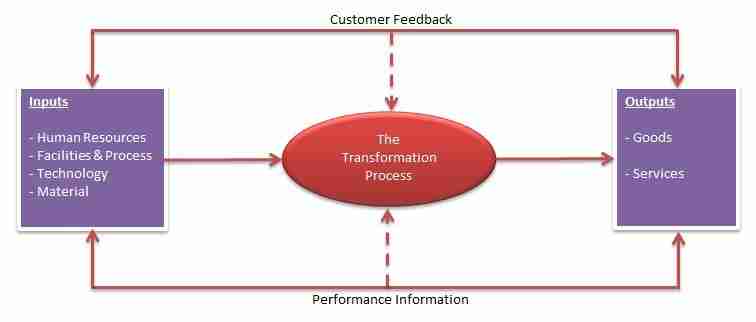
The Transformation Process: Understanding the Milling Techniques of Rice
The journey of rice from its husky birth to the polished pearl on your plate involves intricate milling techniques that play a crucial role in determining the final quality. Milling serves as the bridge between raw paddy and consumer-ready rice, employing various methods that differ in efficiency, cost, and impact on the grain. Key processes such as hulling, wherein the outer husk is removed, and milling, where the bran layers are polished away, are pivotal. The art lies in balancing preservation of nutrition with aesthetic appeal, as over-milling may strip the rice of its vital nutrients, while under-milling can leave behind undesirable textures.
At the heart of modern rice milling is technology that enhances efficiency and consistency. The techniques can be categorized into various systems, including traditional, modern, and semi-modern approaches. Each method utilizes specific machinery designed for optimal processing. For example:
| Technique | Advantages | Disadvantages |
|---|---|---|
| Traditional | Cost-effective, minimal equipment | Higher labor intensity, inconsistent results |
| Semi-Modern | Better quality, moderate investment | Requires skilled labor, potential maintenance issues |
| Modern | Highly efficient, low waste | High initial costs, reliance on technology |
Each milling technique combines art and innovation, reflecting local cultures and technological advancements. The transformation of rice is not just a physical one; it is a blend of tradition and modernity, where each grain symbolizes a long-standing heritage while embracing the future of food production.

Quality Control and Sustainability: Ensuring Standards from Farm to Finish
In the intricate journey of transforming raw rice into a market-ready product, every stage is underpinned by rigorous quality control mechanisms that safeguard the integrity and sustainability of the process. From the moment the grains are harvested, they are subjected to a series of meticulous checks designed to ensure that only the finest produce reaches the milling stage. This includes:
- Seed Quality Assessment: Ensuring that only certified seeds are planted to guarantee high yield and disease resistance.
- Moisture Content Analysis: Monitoring moisture levels to prevent spoilage during storage and ensure optimal milling performance.
- Pest and Disease Management: Utilizing integrated pest management strategies to minimize chemical use while maintaining crop health.
- Sustainable Farming Practices: Encouraging crop rotation and organic fertilizers to enhance soil health and reduce environmental impact.
Upon reaching the mill, the rice undergoes further scrutiny, where advanced technology and traditional knowledge intertwine to achieve superior quality. This phase emphasizes not only the cleanliness and efficiency of the milling process but also the significance of sustainable practices that resonate throughout the supply chain. Key procedures include:
| Milling Process Check | Sustainability Measures |
|---|---|
| Hulling | Minimizing water usage through closed-loop systems. |
| Whitening | Utilizing energy-efficient machines to reduce carbon footprint. |
| Polishing | Implementing waste recycling for by-products like husk and bran. |
These integrated quality control and sustainable practices not only ensure that rice mills deliver top-notch products but also contribute to environmental stewardship, thus enriching the communities involved in rice production.
Market Dynamics: Navigating the Economic Landscape of Rice Production
The interplay of various factors shapes the journey of rice production, making it an intricate economic tapestry. As globalization continues to influence agricultural practices, rice mills find themselves navigating a constantly evolving marketplace. The demand for rice not only hinges on consumer preferences but is also swayed by factors such as climate variability, trade policies, and technological advancements. Successful rice millers are those who adeptly balance supply chain efficiency with market trends, ensuring their operations remain profitable and sustainably viable.
In this competitive landscape, understanding market dynamics is crucial. Rice millers must stay attuned to:
- Price Fluctuations: Global and local price changes directly affect profit margins.
- Cultural Shifts: Trends towards organic and specialty rice can create new opportunities.
- Technological Innovations: Investments in advanced milling technology can enhance product quality and operational efficiency.
Moreover, engaging with community-supported agriculture initiatives and establishing transparent supply chain practices can foster stronger relationships with consumers. These efforts not only promote brand loyalty but also facilitate entry into niche markets, leading to greater financial returns. The journey from fields to market shelves is paved with both challenges and opportunities; rice mills that embrace adaptability are poised to thrive in this dynamic sector.
Innovative Technologies: Paving the Way for Future Rice Mill Operations
As rice milling operations evolve, innovative technologies are increasingly becoming the backbone of efficiency and productivity. By integrating smart sensors and IoT (Internet of Things) for monitoring, mills can achieve real-time data analysis, allowing for better decision-making and resource management. Innovations in machine learning algorithms assist in predicting maintenance needs, reducing downtime and extending the lifespan of milling equipment. This shift to automation not only enhances operational capacity but also ensures higher quality output of rice products.
Moreover, advancements in sustainability technologies are paving the way for eco-friendly rice processing. Mills are now employing biomass energy systems to utilize husk waste, significantly lowering their carbon footprint. Additionally, cutting-edge water recycling systems enable operations to minimize water consumption, thus conserving precious resources. Together, these innovations create a holistic approach to rice milling that not only boosts profitability but also aligns with global sustainability goals.
| Innovation | Benefits |
|---|---|
| Smart Sensors | Real-time monitoring & data collection |
| IoT Integration | Enhanced decision-making processes |
| Biomass Energy Systems | Reduced carbon emissions & waste utilization |
| Water Recycling Systems | Conserves resources & minimizes waste |
In Conclusion
As we conclude our exploration of the remarkable journey from grain to gold in the world of rice mills, we are reminded of the intricate processes and human stories that underpin this essential staple. Each grain carries with it the legacy of countless hands—farmers nurturing the fields, millers perfecting their craft, and innovators pushing the boundaries of technology. The transformation of rice is more than just a physical change; it is a testament to resilience, tradition, and the relentless pursuit of quality.
In the symphony of agriculture and industry, rice mills play a pivotal role, harmonizing age-old practices with modern advancements to meet the demands of a growing population. Their journey is not merely about producing a commodity; it is about sustaining cultures, feeding hopes, and nurturing economies. As we relish the simple pleasure of a hearty bowl of rice, let us appreciate the complex narrative woven through every step of its journey—from the hum of the mill to the warmth of our tables. The next time you savor this humble grain, remember that it is not just food; it’s a story of dedication, ingenuity, and the promise of sustenance that stretches beyond borders.



