
In the heart of the bustling agricultural landscape, where the golden grains of paddy sway gently in the breeze, lies a pivotal yet often overlooked industry: parboiled rice processing. This intricate process transforms humble rice into a staple that nourishes billions around the globe, all while enhancing its nutritional profile and extending its shelf life. But what truly happens behind the scenes of a parboiled rice processing plant? From the initial soaking of the grains to the precise steaming and drying techniques, each step is a blend of time-honored tradition and cutting-edge technology. Join us as we unlock the secrets of this fascinating world, exploring the meticulous processes, the innovative machinery, and the dedicated hands that contribute to bringing parboiled rice from farm to table. Prepare to delve into an industry that is as complex as it is vital, revealing the unseen connections that nourish our lives.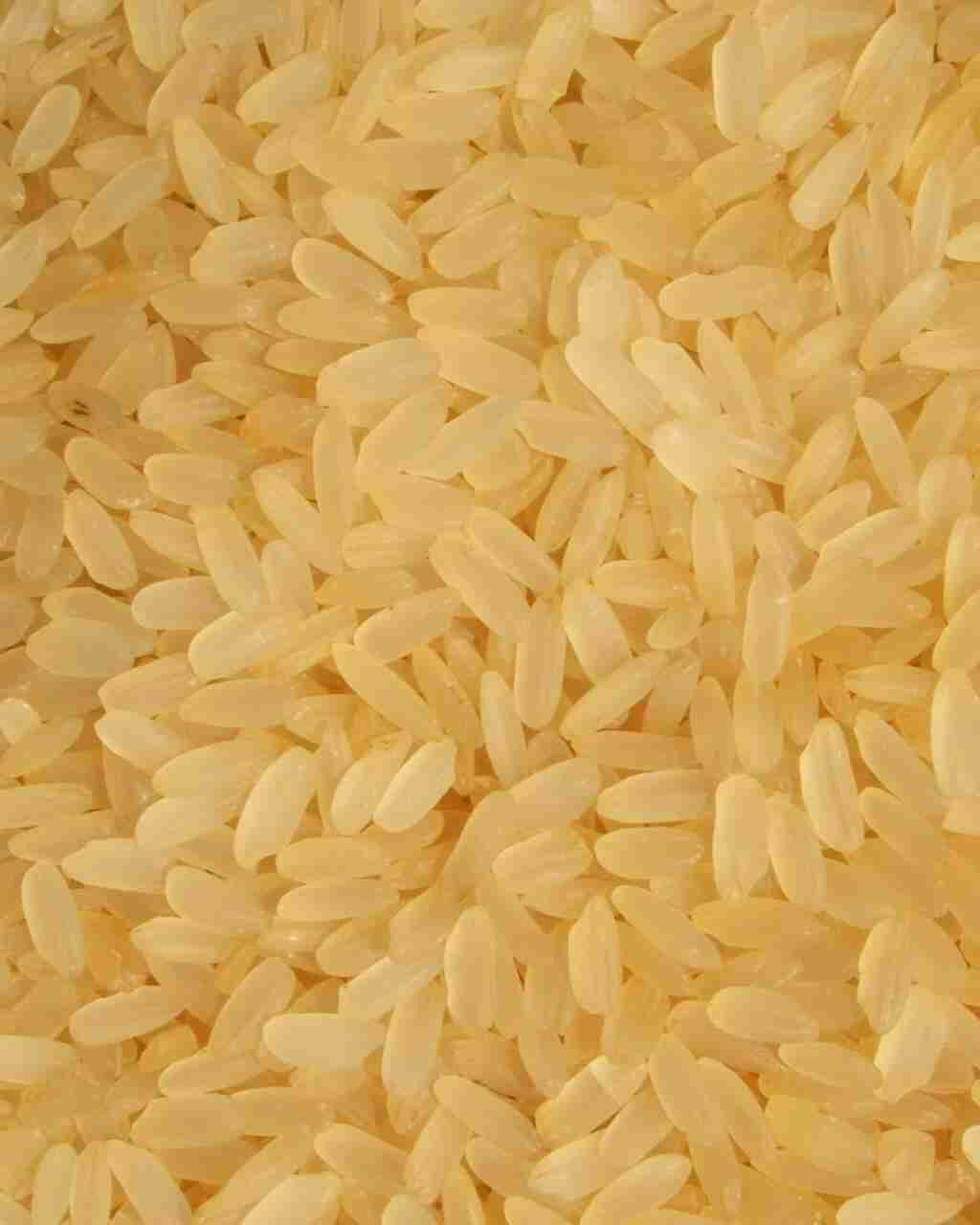
Understanding Parboiled Rice: The Science Behind the Process
Parboiled rice undergoes a meticulous process that transforms its texture and nutritional content, making it a preferred choice for many culinary applications. The journey begins with the soaking of raw paddy, allowing the grains to absorb water and swell. This is followed by steaming, which gelatinizes the starch, enhancing the rice’s firmness and glossy finish. Both processes ensure that the nutrients from the husk are pushed into the grain, resulting in a product that retains more vitamins and minerals compared to traditionally milled rice.
As the grains are dried, they acquire a unique flavor and a slightly yellow tint, often associated with premium parboiled rice. The final stage involves milling, where the outer husk and bran layers are removed without stripping the rice of its nourishing qualities. The result is grains that not only cook evenly but also boast a lower glycemic index, making them a healthier option. This innovative processing method integrates both science and art, creating a staple that meets the needs of diverse culinary traditions.
Key Stages of Processing: From Soaking to Drying
The journey of parboiled rice is an intricate dance between water and grain, starting with soaking the raw paddy. Initially, the rice is immersed in hot water for several hours, which ensures that the husk absorbs moisture, making it more pliable for the subsequent steaming process. This soaking phase is crucial as it not only aids in the absorption of essential nutrients but also initiates the gelatinization of starch. As the grains swell, they prepare for the transformative experience ahead, ensuring that the nutritional quality of the rice improves while simultaneously enhancing its texture. During this stage, factors such as temperature and time are meticulously controlled to optimize absorption.
Next in the line is steaming, where soaked rice undergoes high-pressure steaming to facilitate the partial cooking of the grains. This step is pivotal as it helps in the formation of a firm, less sticky texture once cooked. Following steaming, the paddy proceeds to drying, a critical process that reduces excess moisture content. This ensures longevity and prevents spoilage. The drying phase involves several methods, including natural sun drying and mechanical drying, each with its own advantages. The final moisture level is carefully monitored to achieve the ideal balance, ensuring that the parboiled rice retains its superior quality, flavor, and nutritional profile.
| Stage | Description |
|---|---|
| Soaking | Water absorption for grain elasticity |
| Steaming | Partial cooking and gelatinization of starch |
| Drying | Moisture reduction for preservation |
Quality Control Measures: Ensuring Consistency and Safety
In a parboiled rice processing plant, the integrity of the final product hinges on rigorous quality control measures at every stage of production. Through meticulous oversight, facilities implement a series of checks designed to maintain uniformity and safeguard the safety of the rice. Critical checkpoints include:
- Raw Material Inspection: Assessing the quality of paddy rice prior to processing, including moisture content and foreign materials.
- Processing Conditions Monitoring: Continuously evaluating the temperature and duration of soaking, steaming, and drying to achieve optimal texture and nutritional retention.
- Final Quality Assessment: Conducting sensory evaluations alongside laboratory tests for moisture, color, and impurities to ensure the product meets predefined standards.
Furthermore, implementing a robust traceability system is essential for maintaining safety throughout the supply chain. This system entails tracking each batch of rice from harvest to packaging, ensuring any potential issues are promptly addressed. Regular training and updates for staff on quality protocols instill a culture of safety and knowledge, creating a workforce that prioritizes excellence:
| Quality Control Aspect | Importance |
|---|---|
| Visual Inspections | Identify external defects or contamination |
| Moisture Analysis | Prevent spoilage and ensure proper cooking |
| Microbial Testing | Ensure food safety against pathogens |
| Packaging Checks | Prevent product damage and maintain quality |
Innovations in Technology: Enhancing Efficiency in Rice Processing
In modern rice processing, technology plays a pivotal role in enhancing the efficiency and quality of parboiled rice. Sophisticated machinery tailored for each stage of the processing journey helps reduce labor costs while significantly increasing output. Key innovations include:
- Automated Soaking Systems: These systems ensure precise water levels and soaking times, which are critical for achieving optimal grain texture and nutrient retention.
- High-Efficiency Dehusking Machines: Equipped with advanced sensors, these machines minimize grain breakage and improve overall yield.
- Advanced Drying Technology: Utilizing infrared or microwave drying methods allows for uniform moisture content, reducing spoilage and enhancing shelf life.
The integration of data analytics and IoT (Internet of Things) solutions further revolutionizes operations within rice processing plants. By tracking parameters such as temperature, humidity, and processing times, manufacturers can fine-tune their operations for maximum efficiency. Consider the following potential benefits:
| Benefit | Description |
|---|---|
| Real-Time Monitoring | Constantly tracks conditions to prevent batch losses and improve quality control. |
| Predictive Maintenance | Minimizes downtime by anticipating equipment failures before they occur. |
| Enhanced Supply Chain Efficiency | Optimizes logistics to reduce transportation costs and time. |
In Summary
As we conclude our journey through the inner workings of a parboiled rice processing plant, we come to appreciate the intricate balance of science and tradition that shapes the humble grain from harvest to table. What may seem like a straightforward food item is, in reality, the result of meticulous engineering, age-old practices, and a commitment to quality. The process not only enhances the nutritional profile of rice but also preserves the essence of the grain, making it a staple in households around the world.
With every step we traced—from soaking and steaming to drying and milling—we uncovered the rigorous methods that ensure each grain is perfectly transformed. This exploration reminds us that behind the scenes, there is a dedicated community of workers, engineers, and farmers collaborating to bring this essential food source to our plates.
As you ponder the next meal that centers around parboiled rice, consider the journey it undertook to reach you. The secrets we’ve unlocked here go beyond the factory walls; they speak to the interconnectedness of our food systems and the shared knowledge that allows us to nourish our bodies and celebrate cultures across the globe. So the next time you enjoy a bowl of this golden-hued grain, remember the hidden layers of complexity that made it possible, and appreciate the fusion of innovation and nature that continues to inspire our culinary traditions.




