
Introduction
In the intricate tapestry of global agriculture, few threads are as vital and versatile as rice. This humble grain, a staple for more than half of the world’s population, embarks on a remarkable journey from seed to sustenance, shaped by a series of transformative processes within rice processing plants. As we delve into this fascinating world, we uncover not just the mechanics of milling and refinement, but also the stories and innovations that breathe life into every grain. From traditional techniques passed down through generations to cutting-edge technologies that enhance efficiency and sustainability, the evolution of rice processing reflects our ongoing quest to nourish communities and cultivate resilience. Join us as we explore the pivotal role of rice processing plants in turning fields of golden grain into the nourishing food on our tables, examining the challenges and triumphs along the way.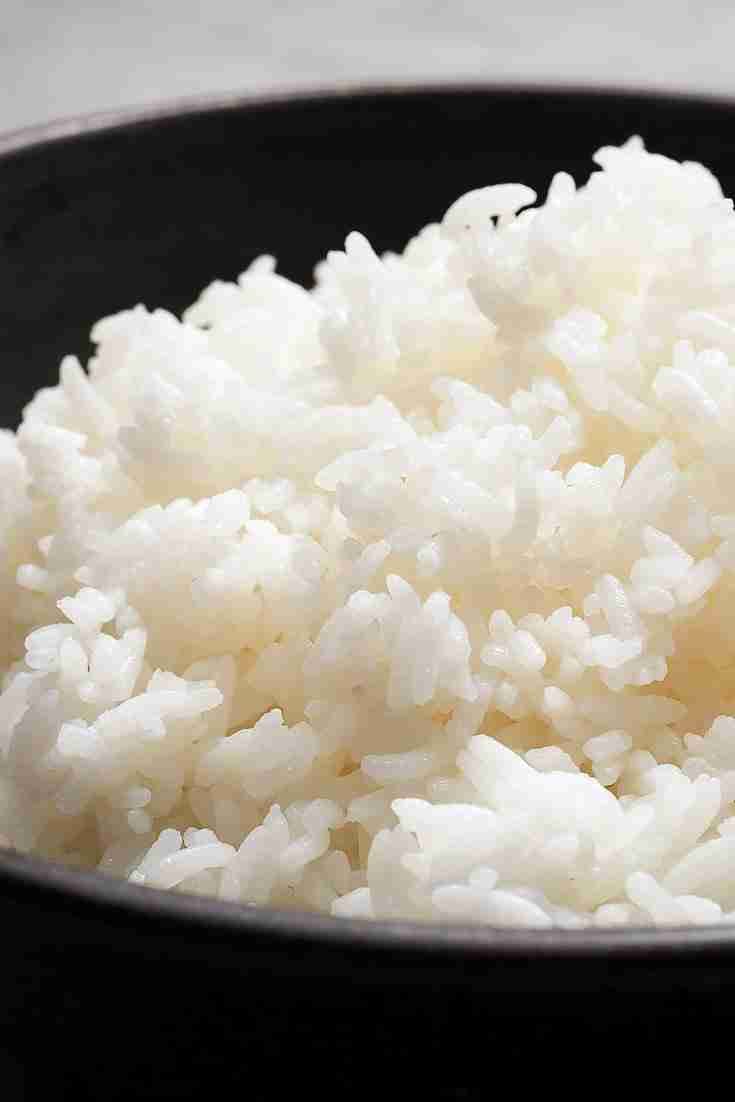
Exploring the Evolution of Rice Processing Techniques
The journey of rice processing techniques is a fascinating tale of innovation and adaptation. Historically, rice was hulled using simple hand tools, often involving a labor-intensive approach that required immense physical effort. Over time, advancements in technology introduced mechanical milling systems that significantly increased efficiency. These changes not only eased the workload for farmers but also improved the overall quality of rice. Key developments included:
- Water-powered mills: Utilized the flow of rivers to automate the grinding process.
- Steam-powered machines: Revolutionized milling with increased speed and reduced manual labor.
- Modern rice polishing techniques: Enhanced the visual appeal of rice, appealing to consumer preferences.
As processing plants evolved, so did the awareness of sustainability and environmental impact. Today’s facilities are designed with energy efficiency in mind, employing advanced technology to minimize waste and maximize output. Innovations such as automated sorting machines and digital monitoring systems ensure that rice quality is consistently maintained. The advancement of rice processing is underscored by a growing focus on organic methods, allowing producers to cater to a health-conscious market. Within this dynamic framework, the following elements highlight the current state of rice processing:
| Element | Description |
|---|---|
| Automation | Reduces manual labor and increases efficiency. |
| Quality Control | Advanced sensors and AI monitor grain quality in real-time. |
| Sustainability | Emphasis on eco-friendly practices with lower carbon footprints. |

Innovations in Rice Milling Machinery and Their Impact
Recent advancements in rice milling machinery have revolutionized the way rice is processed, significantly enhancing efficiency and output quality. Cutting-edge technologies such as automated sorting systems, laser grading, and high-efficiency huskers have replaced traditional manual processes, allowing for a more streamlined and precise operation. Utilizing advanced software, modern rice mills can now monitor and control parameters in real time, minimizing waste and maximizing both yield and product quality. The integration of smart sensors and AI-driven analytics not only improves the milling process but also helps in predictive maintenance, ensuring the machinery operates at optimal levels without unexpected downtimes.
The impact of these innovations can be seen across the rice supply chain, benefitting both producers and consumers alike. Some of the key advantages include:
- Increased Productivity: Faster milling times lead to higher output, meeting growing global demand.
- Enhanced Quality: Reduced grain breakage and contamination protect the integrity of the final product.
- Sustainability: Energy-efficient machinery and waste-reduction practices support environmentally responsible production.
- Cost-Effectiveness: Lower operational costs and reduced labor requirements enhance profitability.
| Innovation | Impact |
|---|---|
| Automated Sorting Systems | Enhances quality control and reduces human error. |
| Smart Sensors | Provides real-time data for optimal machine performance. |
| Laser Grading | Improves grading accuracy and reduces product waste. |
| AI-Driven Analytics | Helps in predictive maintenance and operational efficiency. |

Sustainable Practices in Rice Processing Plants
The rice processing industry is undergoing a transformation fueled by the urgent need to adopt sustainable practices that minimize environmental impact and enhance operational efficiency. One primary area of focus is energy efficiency. Modern plants are increasingly utilizing energy-efficient machinery and smart technology to reduce their overall energy consumption. This not only lowers production costs but also contributes to a significant decrease in greenhouse gas emissions. Moreover, waste management systems are becoming more advanced, aiming to recycle by-products from the milling process, such as husks and bran, into valuable resources like biofuels and animal feed.
In addition to energy and waste management, water conservation plays a pivotal role in sustainable rice processing. Many facilities are now implementing closed-loop water systems that treat and reuse process water, drastically reducing their reliance on external water sources. Furthermore, the movement towards organic certification has prompted rice processors to engage in sustainable sourcing practices, ensuring that their rice is cultivated without harmful chemicals. These changes not only protect ecosystems but also cater to a growing market demand for sustainably-produced grains. Integrating these practices brings about not just environmental benefits but also improves the economic viability of rice processing plants.
| Practice | Benefit |
|---|---|
| Energy Efficiency | Reduces emissions and production costs |
| Waste Management | Converts by-products into resources |
| Water Conservation | Minimizes water usage and maintains quality |
| Organic Sourcing | Meets consumer demand for sustainability |
Quality Control Measures for Superior Rice Products
Ensuring top-notch quality in rice products is an intricate tapestry woven through various quality control measures at every stage of the processing plant. Each step focuses not only on maintaining the grain’s natural integrity but also on enhancing its appeal to consumers. To achieve this, multiple methodologies are employed, including:
- Raw Material Inspection: Rigorous examination of rice upon arrival to identify any foreign materials or unhealthy grains.
- Hygienic Processing Standards: Implementation of strict cleanliness protocols to prevent contamination.
- Moisture Content Analysis: Regular checks to ensure optimal moisture levels for storage and processing.
- Color Sorting Technology: Utilization of advanced machinery to automatically separate discolored grains from the batch.
- Taste Tests: Conducting periodic sensory evaluations to guarantee the rice meets flavor expectations.
These measures not only assure that only the best quality rice reaches consumers but also build trust in the brand’s promise of excellence. Furthermore, tracking the quality metrics through structured reporting adds another layer of accountability. Below is a simple table illustrating the key quality control metrics monitored in rice processing plants:
| Quality Metric | Description | Frequency of Check |
|---|---|---|
| Grain Purity | Percentage of whole grains vs. broken | Every Batch |
| Moisture Levels | Ideal moisture content for storage | Daily |
| Pesticide Residue | Presence of harmful chemicals | Monthly |
| Flavor Profile | Consistency in taste for each variant | Weekly |
Key Takeaways
As we draw the curtain on our exploration of rice processing plants, it becomes evident that these humble facilities are far more than mere industrial hubs; they are the beating hearts of agricultural transformation. From the moment harvested grains enter the plant to their final packaging, a complex ballet of technology and tradition unfolds. Each stage—milling, polishing, grading—reflects centuries of cultural practices interwoven with modern innovation, resulting in a product that is both a staple and a source of sustenance for millions worldwide.
The journey of rice, from field to fork, encapsulates not only the meticulous craftsmanship of processing but also the broader stories of communities, economies, and ecosystems intertwined in its cultivation and consumption. As we continue to advocate for sustainable practices within these plants, it is imperative that we recognize their role in fostering both food security and environmental stewardship.
In this age of globalization, understanding and appreciating the intricacies of rice processing allows us to connect more deeply with the grains that nourish us. So, let us cherish each grain, honoring the labor, the science, and the tradition that transforms simple harvests into a wealth of culinary possibilities. The journey doesn’t end here; it’s merely the beginning of a conversation about food, culture, and innovation that we can all partake in.




