In a world grappling with the dual challenges of hunger and waste, rice stands as a staple food for half the global population, yet its journey from field to table is fraught with inefficiencies and losses. The advent of modern technology has sparked a revolution in rice processing, promising not only to enhance productivity but also to mitigate the environmental costs associated with traditional methods. As we delve into the intricacies of this transformation, we will explore how innovative solutions are reshaping the rice industry and what they mean for our collective future. From assessing the hidden environmental impacts of these advancements to understanding the varying effectiveness of different processing technologies, and ultimately examining how automation can coexist with the needs of local communities, this article unravels the complex tapestry of the rice processing revolution. Join us as we navigate this critical intersection of technology, sustainability, and food security.
The Hidden Costs of Technological Advancement: Evaluating the Environmental Impact of Modern Rice Processing Solutions
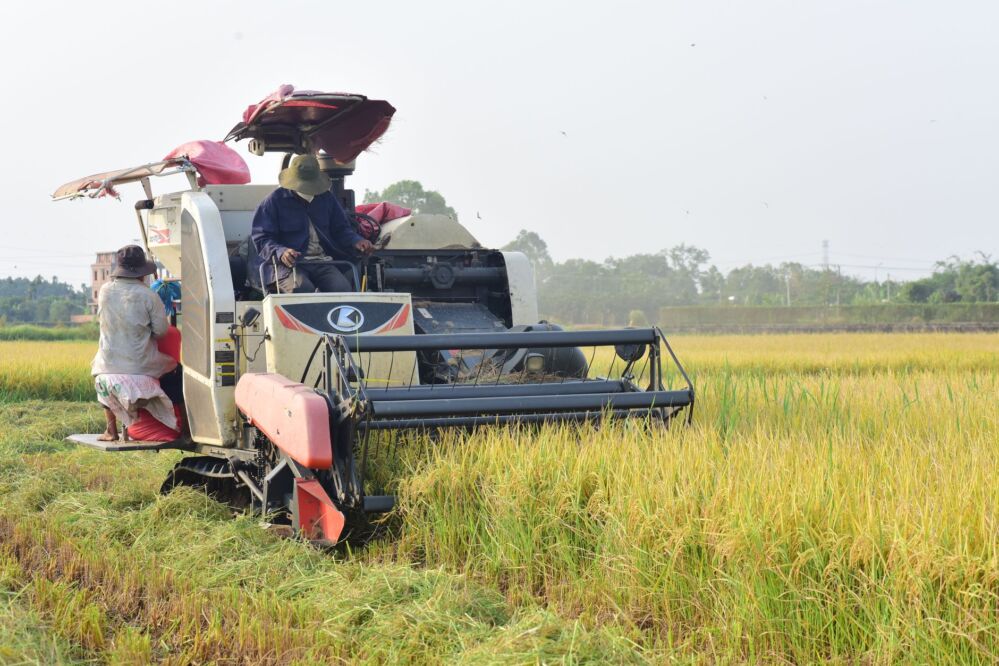
As the rice processing industry embraces cutting-edge technologies, it is imperative to scrutinize the environmental ramifications often overshadowed by the allure of efficiency and productivity. While innovations such as automated milling and energy-efficient drying systems promise significant reductions in waste and an increase in output, they can also inadvertently lead to detrimental ecological consequences. For instance, the energy demands of these high-tech solutions often rely on fossil fuels, contributing to greenhouse gas emissions. Additionally, the transition to industrial-scale processing can exacerbate water consumption issues, particularly in regions already struggling with scarcity. Stakeholders must weigh these hidden costs against the potential benefits, striving for a balance that prioritizes sustainability alongside technological advancement.
To navigate these complexities effectively, it is essential to adopt a nuanced approach in evaluating rice processing technologies. Not all advancements are created equal; therefore, prioritizing solutions that incorporate renewable energy sources and sustainable practices is vital. A few considerations include:
- Energy Source: Favor technologies that utilize solar or biomass energy over fossil fuels.
- Water Efficiency: Choose systems designed to minimize water usage or recycle water within processes.
- Waste Management: Implement integrated waste-to-energy systems that convert byproducts into usable energy.
By focusing on innovations that not only boost productivity but also promote environmental stewardship, the rice processing sector can contribute to a more sustainable food system. This balanced perspective challenges the prevailing assumption that technological advancement inevitably leads to environmental degradation, proving that with thoughtful choices, we can indeed achieve a harmonious coexistence between progress and preservation.
Rethinking Innovation: Why Not All Rice Processing Technologies Are Created Equal in the Fight Against Food Waste
The landscape of rice processing technologies is diverse, and not all innovations contribute equally to the fight against food waste. When assessing these technologies, it's essential to differentiate between those that enhance efficiency at the cost of quality and those that prioritize sustainability without sacrificing yield. For instance, high-capacity milling machines may significantly reduce processing time but often produce a higher rate of broken grains, which can exacerbate food waste due to decreased market value. In contrast, technologies that utilize precise milling techniques may yield superior quality rice while minimizing waste, albeit at a slower processing rate. This trade-off between speed and quality raises questions about the long-term benefits of prioritizing one over the other in the context of food security.
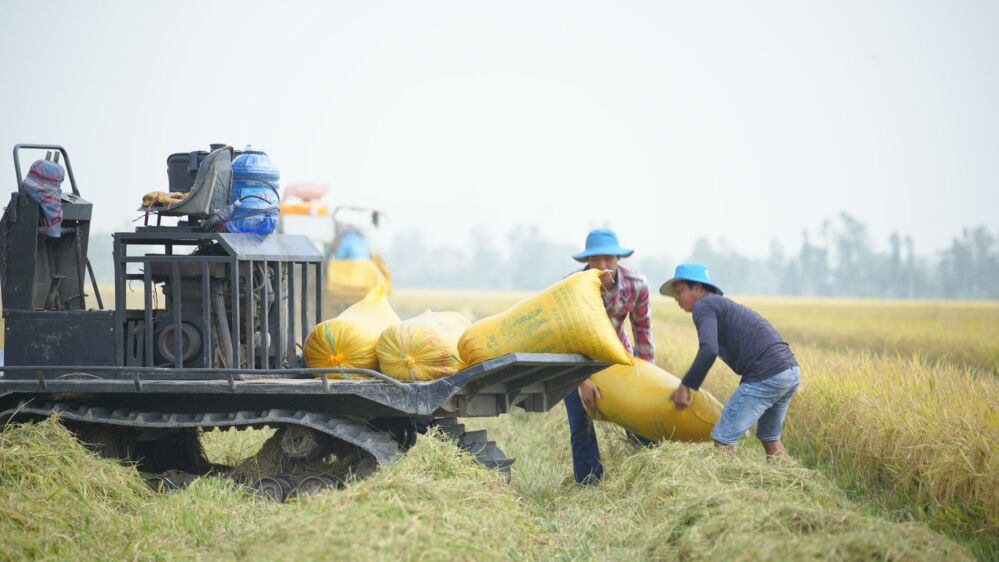
Moreover, the adoption of innovative rice processing technologies often overlooks the socio-economic implications for farmers and local communities. Technologies that require significant capital investment may benefit larger agricultural enterprises while marginalizing smallholder farmers, who may not have the financial means to adopt such advancements. A more nuanced approach would advocate for scalable, community-based solutions that are accessible to all farmers, thereby promoting inclusivity and reducing food waste at the grassroots level. For example, investment in training programs for small farmers on using low-cost, efficient processing methods can empower them to optimize their yields and minimize waste without incurring heavy debts. Balancing technological advancement with community needs is crucial; innovation should not only focus on efficiency but also on fostering resilience and sustainability within the agricultural ecosystem.
Smart Choices in Agriculture: Balancing Efficiency and Community Needs in the Age of Rice Processing Automation
Navigating the intersection of technological efficiency and community needs requires a nuanced approach that considers not just the immediate benefits of automation in rice processing but also the broader implications for local economies and cultural practices. Automation can enhance productivity, reducing labor costs and increasing throughput, but this efficiency often comes at the expense of traditional farming practices and local employment. Stakeholders must engage in a thoughtful dialogue about the trade-offs involved, such as deciding whether to prioritize high-output processing facilities that may displace small-scale farmers or to invest in community-centric solutions that empower local economies.
To ensure that technological advancements serve both efficiency and community welfare, decision-makers should prioritize the following strategies:
- Implementing training programs for local farmers on new technologies to maintain employment and skill development.
- Fostering partnerships between tech companies and local cooperatives to create a feedback loop that incorporates community insights into technology design.
- Adopting a tiered approach to automation, where small, scalable machines are favored for rural areas, preserving local engagement while still enhancing productivity.
By making these smart choices, the rice industry can balance the dual imperatives of efficiency and community needs, thereby fostering a more sustainable and equitable agricultural landscape.
The Way Forward
As we stand at the crossroads of technology and tradition, the journey of rice from field to table reveals a complex tapestry woven with the threads of innovation, sustainability, and community impact. The advancements in rice processing hold the promise of addressing the pressing issues of hunger and waste, yet they also challenge us to consider the environmental and social costs that accompany such progress. By embracing a holistic perspective that honors both efficiency and the needs of local communities, we can forge a path that not only enhances food security but also nurtures the ecosystems and cultures that sustain us. The rice processing revolution is not just about harnessing technology; it is about reimagining our relationship with food and the future we are cultivating together.