In a world increasingly focused on sustainability, the humble grain of rice stands at the crossroads of tradition and innovation. As one of the most consumed staples globally, rice not only nourishes billions but also plays a significant role in agricultural economies. However, the methods of processing this vital crop have long been rooted in age-old practices that often overlook environmental considerations. Enter next-generation rice processing plants, where cutting-edge technology meets eco-conscious design. These facilities promise to elevate the ordinary, transforming rice from field to table in ways that could redefine our relationship with food production. Yet, as we embark on this journey toward a more sustainable future, it is essential to explore the complexities and trade-offs inherent in these advancements. Are we truly enhancing the quality and sustainability of rice production, or are we merely exchanging one set of challenges for another? This article delves into the multifaceted world of rice processing, examining the balance between efficiency and environmental stewardship, the potential pitfalls of high-tech innovation, and alternative visions that could pave the way for a truly sustainable approach to this essential grain.
Navigating the Trade-offs: Balancing Efficiency and Environmental Impact in Next-Generation Rice Processing
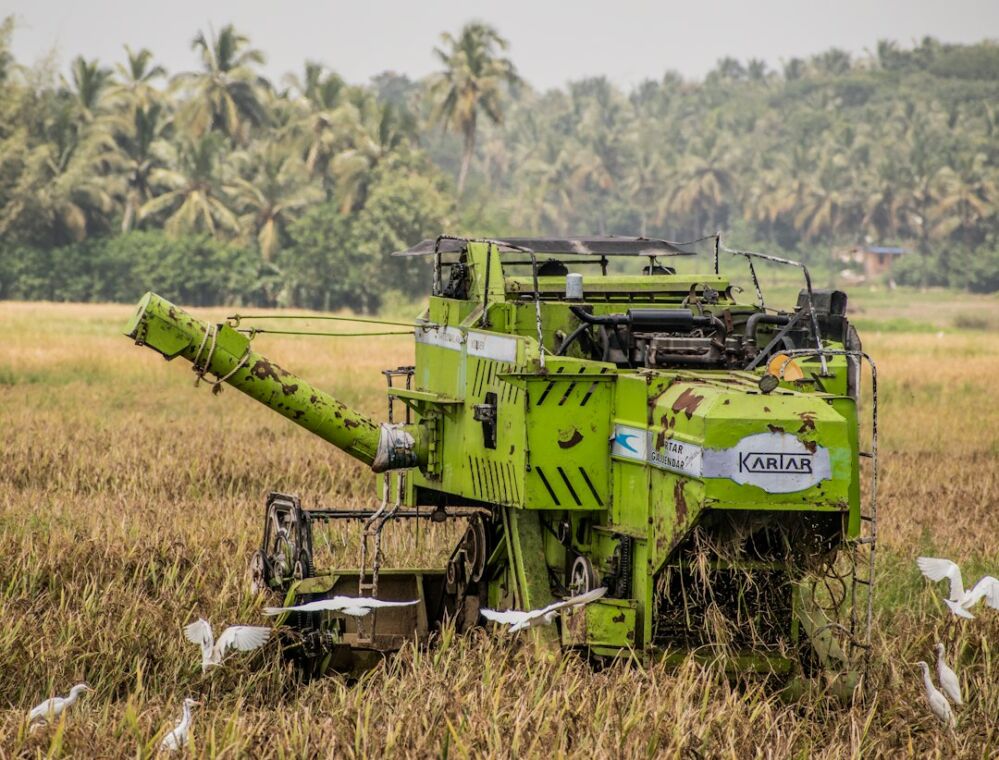
The evolution of rice processing technology presents a complex landscape where efficiency and environmental impact frequently collide. On one hand, advancements such as automation, precision milling, and waste reduction techniques promise significant increases in output and profitability. For instance, energy-efficient machines can reduce operational costs and enhance productivity by streamlining the processing cycle. However, this drive for efficiency often overlooks the environmental toll that accompanies mass production. The energy consumed, water used, and emissions generated by these high-tech facilities can undermine sustainability goals unless carefully managed.
To navigate these trade-offs, stakeholders must consider a more integrated approach that balances technological innovation with ecological responsibility. Key strategies include:
- Implementing renewable energy sources: Transitioning to solar or wind power can significantly lower the carbon footprint of processing plants.
- Investing in water recycling systems: These systems can minimize water usage and reduce wastewater discharge, addressing one of the critical challenges in rice production.
- Prioritizing local sourcing: By sourcing materials locally, plants can decrease transportation emissions and support regional economies.
Ultimately, the path forward involves not just adopting new technologies, but also re-evaluating existing practices to align operational goals with ecological stewardship. A nuanced understanding of these trade-offs will enable the rice processing industry to thrive while contributing to a sustainable future.
The Hidden Costs of Innovation: Are High-Tech Rice Processing Plants Overpromising on Sustainability?
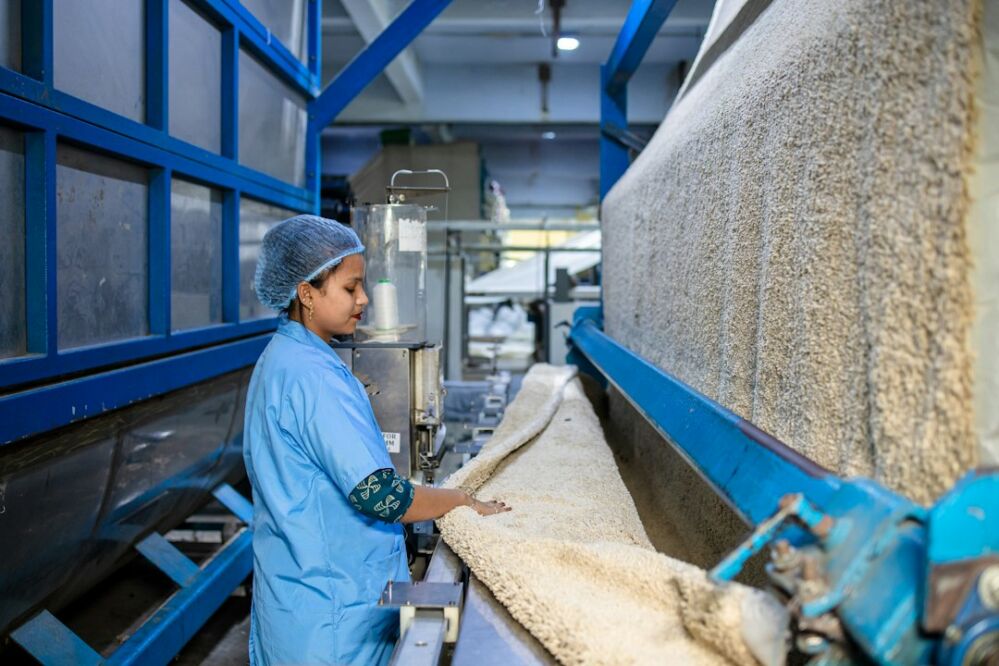
High-tech rice processing plants often tout their sustainability credentials, yet the reality behind these claims can be murky. While advancements such as energy-efficient machinery and water recycling systems promise reduced resource consumption, they frequently overlook the broader environmental impact of their production and operational processes. For example, the manufacturing of sophisticated equipment may involve significant carbon emissions and resource depletion. Furthermore, the reliance on cutting-edge technology can lead to a form of dependency that discourages the adoption of simpler, more localized processing methods that could be equally effective and less resource-intensive. This raises critical questions about the true sustainability of these innovations and whether they are genuinely transformative or merely a polished facade.
Moreover, the economic implications of high-tech solutions warrant scrutiny. The initial investment for advanced processing plants is substantial, often leading to increased prices for consumers and potential exclusion of smallholder farmers who cannot afford the transition. This creates a dichotomy where the benefits of innovation can disproportionately favor larger agricultural enterprises while marginalizing local growers. To navigate these complexities, stakeholders must prioritize transparency and establish clear metrics for evaluating sustainability claims. A nuanced approach could involve collaborative frameworks where technology is adapted to local contexts, ensuring that both efficiency and ecological integrity are preserved. Ultimately, the challenge lies in discerning whether these innovations serve as genuine catalysts for sustainable progress or as convenient narratives that mask deeper systemic issues.
Alternative Visions: Rethinking Rice Processing Strategies for a Truly Sustainable Future
The future of rice processing must embrace a multifaceted approach that prioritizes sustainability while also considering local ecosystems and socio-economic dynamics. One promising strategy involves integrating traditional practices with modern technology, creating hybrid systems that enhance efficiency without sacrificing cultural heritage. For instance, community-based processing plants can utilize renewable energy sources, such as solar or biomass, to minimize carbon footprints. These localized systems not only reduce transportation emissions but also bolster local economies by creating jobs and empowering farmers. Such a model highlights the importance of understanding the trade-offs between high-tech solutions and community engagement, suggesting that a one-size-fits-all approach to rice processing can overlook significant local nuances.
In addition to hybrid models, the adoption of circular economy principles in rice processing could redefine sustainability. This entails designing processes that minimize waste by utilizing by-products in innovative ways, such as converting rice husks into biochar or using wastewater for biogas production. Emphasizing life-cycle assessments (LCAs) can further illuminate the environmental impact of various processing methods, allowing stakeholders to make informed decisions. However, these strategies require a balanced consideration of costs and benefits. For example, while investing in advanced waste management systems may initially seem expensive, the long-term savings and environmental benefits could outweigh the upfront costs. Thus, the challenge lies in cultivating a mindset shift among stakeholders—from viewing sustainability as a costly obligation to recognizing it as a competitive advantage that aligns economic viability with environmental stewardship.
The Way Forward
As we stand at the intersection of tradition and innovation in the rice industry, it becomes clear that the journey toward a sustainable future is not a straightforward path. Next-generation rice processing plants hold the promise of transforming this essential grain into a beacon of eco-consciousness, yet they also challenge us to examine the complexities and trade-offs inherent in technological advancement. By embracing a holistic vision that harmonizes efficiency with environmental stewardship, we can cultivate a rice processing landscape that not only feeds the world but also nurtures it. The choices we make today will shape the narrative of rice for generations to come, urging us to elevate the ordinary into something extraordinary.