In the verdant fields where rice has been cultivated for centuries, tradition weaves its way into every grain, binding generations of farmers to age-old practices passed down through time.Yet, as we venture further into the 21st century, the landscape of agriculture is undergoing a transformative shift. The steam of the past is giving way to the hum of machinery, and modern rice processing machines are not only disrupting these age-old methods but also introducing innovative approaches that promise sustainability. This evolution heralds a new chapter in the rice industry—one where efficiency meets responsibility, and respect for heritage coexists with technological advancement. In this article, we will explore how these cutting-edge machines are reimagining rice processing, challenging conventional wisdom, and paving the way for a resilient future in agriculture.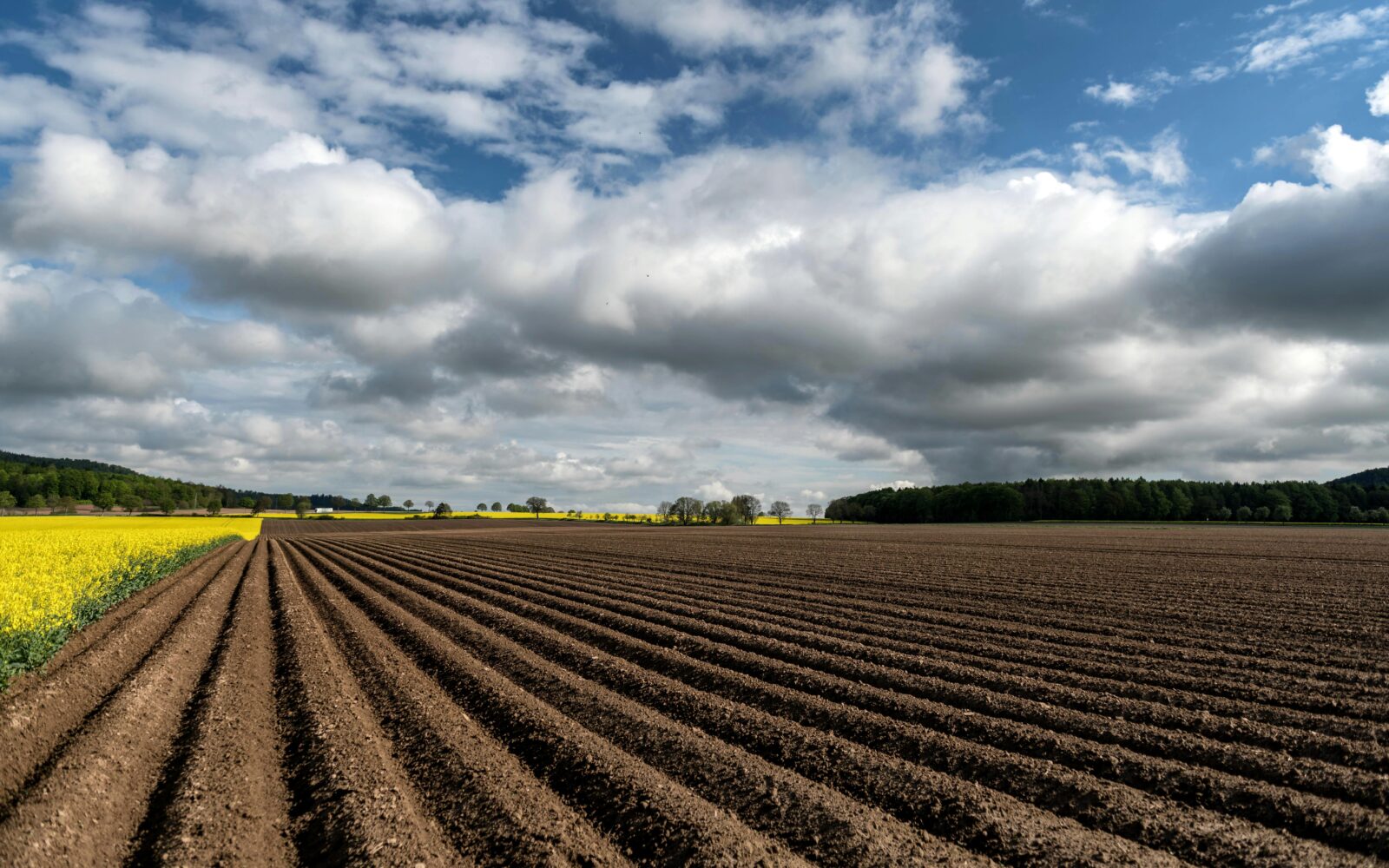
Revolutionizing Fields: The Unseen Consequences of Tech-Driven Rice Processing on Rural Communities
The introduction of advanced rice processing technologies is reshaping rural communities in ways that extend beyond mere efficiency and productivity gains. While these modern machines, such as automated milling units and color sorters, promise reduced labor and time, they also disrupt traditional practices that have built cultural identity and socio-economic structures in these regions. A important trade-off emerges when considering the diminished role of local millers and the potential loss of age-old knowledge passed down through generations. This evolution can produce unintended consequences:
- Cultural Erosion: The shift from manual to mechanical processing risks sidelining traditional techniques that connect farmers to their heritage.
- Economic Displacement: Small-scale processors may find it difficult to compete with mechanized operations, leading to job losses and community fragmentation.
- Social Disparities: Access to these technologies is not uniform; wealthier farmers or regions may benefit disproportionately, exacerbating inequalities.
In navigating these changes, nuanced recommendations emerge. It is essential to foster a balance between modern efficiency and traditional practices.Communities can implement hybrid models that encourage:
- Training Programs: Investing in local education for farmers on how to effectively integrate new technologies with existing methods.
- Cooperative Ownership: Developing cooperatives that share the benefits of mechanization, thereby supporting both local economies and their cultural practices.
- Sustainability Initiatives: Utilizing advanced processing machines that are designed with environmental stewardship in mind,promoting sustainable farming alongside modernization efforts.
By addressing these considerations thoughtfully,rural communities can embrace technological advancements without losing the essence of their cultural identity. This strategic integration could lead to a more equitable future, ensuring that progress respects tradition, thereby fostering a resilient agricultural sector rooted in both heritage and innovation.

Beyond Efficiency: Examining the Environmental Trade-Offs of High-Tech Rice Milling Solutions
- are the emissions associated with increased energy use offset by the benefits of reduced post-harvest losses?
- How sustainable is the supply chain involved in the manufacturing and maintenance of these advanced machines?
- Do improvements in yield necessarily equate to better community resilience or ecological balance?
Moreover, the reliance on mechanization can inadvertently foster a dependency on external technological support, potentially marginalizing smallholder farmers who lack access to these resources. Balancing efficiency and sustainability requires a nuanced approach where farmers are not merely consumers of technology but active participants in evolving agricultural practices. A more discerning policy focus is advisable, integrating local knowledge and sustainable practices into the adoption of high-tech milling. This could involve investing in renewable energy sources to power these machines or developing hybrid systems that mix traditional and modern methods, thus maintaining the cultural integrity of rice milling while promoting environmental stewardship.
The Myth of Progress: Are Modern Machines undermining Agricultural Heritage in Rice Cultivation?
Modern rice cultivation has encountered dramatic shifts through the adoption of new technologies, often heralded as advancements in efficiency and productivity. However, this transformation raises critical questions about the robustness of agricultural heritage, especially in rice-growing societies. While modern machines offer significant advantages—such as reduced labor costs, increased yield efficiency, and streamlined processing—they often clash with traditional practices that embody local knowledge, cultural meaning, and ecological understanding. Here are some key insights:
- Disruption of traditional Knowledge: Traditional rice cultivation practices are deeply intertwined with local ecosystems and cultural histories. The mechanization of these processes can lead to the erosion of ancestral farming knowledge and skills,which may not be easily transferable to automated systems. This can result in a generation gap, where younger farmers lack vital insights into resilient agricultural practices that have stood the test of time.
- Mechanization vs. Biodiversity: Modern machines often promote monoculture farming, where a single rice variety is cultivated extensively. This practice can undermine the biodiversity that traditional rice farming typically supports. Traditional farmers cultivate diverse varieties of rice, which are better adapted to local conditions and more resilient to pests and climate challenges. This biodiversity not only sustains the ecosystem but also provides local communities with a variety of food sources.
To balance the benefits of modernization with the preservation of agricultural heritage, nuanced strategies must be put in place. Collaborating with local communities to integrate technology in a way that respects cultural practices can pave a more sustainable path forward. For instance:
| strategies for balancing Tradition and Modernity |
|---|
| Participatory Technology Growth |
| Co-develop technology with local farmers to ensure it complements traditional practices while enhancing productivity. |
| Education and Training |
| Provide training programs that bridge traditional skills with modern techniques, allowing farmers to retain their heritage while embracing new tools. |
| Value Local Varieties |
| Support the conservation of traditional rice varieties and encourage their integration into modern agriculture to maintain biodiversity. |
By shifting the narrative from a binary view of progress versus tradition,stakeholders can implement a more integrative approach that respects the past while addressing contemporary agricultural challenges.
Choosing sustainability: A Closer look at How Innovation Can Balance Tradition and Responsible Farming Practices
In the complex landscape of rice production, the push for innovation frequently enough encounters resistance rooted in deep-seated traditions. However, embracing sustainability in agriculture necessitates that we rethink some of these assumptions. For instance, a common belief is that traditional farming methods are inherently more sustainable. Yet, innovations in processing technology can challenge this notion by offering enhanced efficiency and reduced environmental impact. Modern rice processing machines, equipped with precision technology, facilitate a 30% reduction in water usage and substantially lower energy consumption compared to older methods. In contrast, traditional practices may rely heavily on water-intensive irrigation systems, fostering an erroneous belief in their sustainability simply due to their past precedent. thus, it is vital for farmers to critically evaluate the sustainability of their methods, weighing the benefits and trade-offs associated with modern advancements.
Transitioning towards a more sustainable model involves navigating a nuanced landscape of trade-offs between tradition and innovation.For example, while organic farming methods emphasize soil health and biodiversity, they often yield lower output levels, raising questions about food security in a rapidly growing global population. In contrast, modern processing technologies enable farmers to achieve higher yields with fewer resources, allowing for greater economic viability. However, this shift should not come at the expense of local ecosystems or traditional knowledge. A balanced approach can be achieved through the integration of selective technology that supports regenerative practices, such as implementing biotechnological solutions to enhance soil quality alongside advanced processing machines. Farmers should engage in collaborative dialogues with agricultural technologists to identify personalized solutions that honor both traditional techniques and innovation—ultimately leading to a resilient farming model that respects the past while embracing the future.
Concluding Remarks
the evolution of rice processing technology marks a pivotal shift in agricultural practices that reverberates beyond the fields. By embracing modern machinery, we are not merely enhancing efficiency; we are redefining what it means to cultivate and sustain. As these innovative solutions break through the barriers of tradition, they invite us to rethink our relationship with the land, the laborers, and the environment. The harmonious blend of tradition and modernity holds the promise of not just feeding a growing population but doing so in a way that respects and revitalizes the ecosystems we depend on.
As we stand on the brink of this agricultural revolution, it is clear that the journey does not end here. Each new technology brings with it questions of adaptation, sustainability, and equity. It challenges us to pledge our commitment not just to innovation,but to inclusivity and responsibility in the agricultural narrative.Looking forward, the future of rice farming lies in our ability to integrate the wisdom of generations past with the innovations of tomorrow, fostering a resilient agricultural landscape that nourishes both peopel and planet alike.