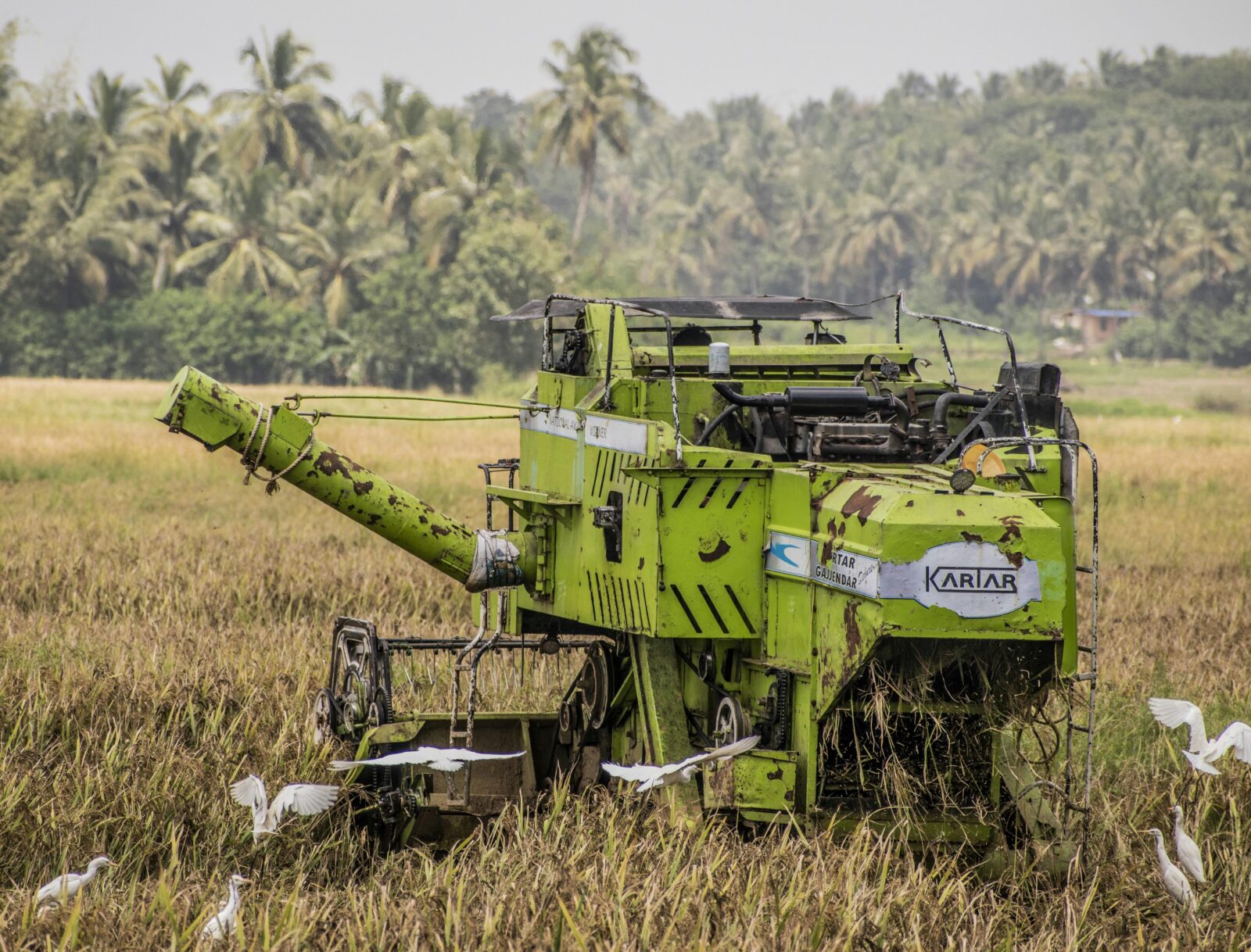
in the intricate dance of agriculture, the journey from paddy to polished grain is a pivotal one. As rice takes center stage as a staple food for billions, the importance of selecting the right rice milling machine cannot be overstated. These machines are not merely tools; they are the key players in ensuring that the transition from harvest to table preserves the essential qualities of the grain. In “Maximize Your Harvest: Choosing the Right Rice Milling Machine for Optimal Grain Quality and Efficiency,” we embark on an exploration of the factors that influence milling performance,optimal grain characteristics,and efficiency in production. From the fundamental mechanics of various milling technologies to the nuances of grain quality standards, this article equips farmers, entrepreneurs, and mill operators with the knowledge needed to make informed choices. Join us as we unravel the complexities of rice milling and uncover how the right equipment can elevate your harvest to new heights.
Maximize Your Harvest: A Practical Guide to Selecting the Right Rice Milling Machine for Optimal Efficiency
When selecting the right rice milling machine to optimize your harvest, focus on the key features that contribute to both efficiency and grain quality. Assess your operational needs by considering the scale of your production and the quality of rice you aim to produce. Look for milling machines that offer dual functionality—such as husking and whitening—in one unit. This not only saves space but also reduces handling times. Check the machine’s processing capacity (measured in tons per hour), and ensure it aligns with your projected output. as an example, a small-scale operation might benefit from a compact machine with a capacity of 150-250 kg/h, while larger businesses could require machines capable of processing over 1,000 kg/h.
Next, evaluate the quality of the milling process. Crucial factors include the reduction rate, which can typically range from 30% to 50%, and the percentage of broken rice grains produced. High-quality machines usually feature advanced technology, such as pneumatic systems for husking and multiple grading screens, which can significantly enhance the separation of broken grains from whole grains. Be wary of options that promise low-cost operations but compromise on build quality; they frequently enough result in higher maintenance costs and lower efficiency over time. Additionally, asking for machine demonstrations can provide practical insights into ease of operation, adjustment capabilities, and overall user experience. Consider creating a comparison table like the one below to evaluate different machines effectively and make a smarter purchasing decision:
| Feature | Machine A | Machine B | Machine C |
|---|---|---|---|
| Capacity (kg/h) | 200 | 400 | 1,000 |
| Broken Grain Rate (%) | 10 | 5 | 2 |
| Technology Type | Standard | advanced | Premium |
In Conclusion
selecting the right rice milling machine is pivotal to maximizing your harvest and ensuring optimal grain quality and efficiency. As you embark on this journey, consider the various factors that influence your choice—be it the scale of production, desired grain quality, or technological advancements. By making an informed decision, you not only enhance the value of your crop but also contribute to a sustainable agricultural future. Ultimately, the perfect rice milling machine is one that aligns with your specific needs and goals, empowering you to elevate your harvest to new heights. May your grains be plentiful, and your milling experience fruitful!