unlocking Tradition: The Art and innovation of Chinese Rice Mills
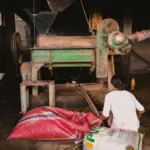
In the heart of rural China, where the rolling green terraces meet the embrace of mountain landscapes, a time-honored tradition pulses with life—rice milling. This age-old practice is more than just a means of processing grain; it embodies the rich tapestry of culture, history, and innovation that defines Chinese agriculture. As the sweet scent of freshly milled rice fills the air, generations of farmers have perfected the delicate balance between art and science, creating a symphony of tradition and modernity. From the rhythmic clatter of wooden rollers in centuries-old mills to the sleek machinery of contemporary operations, the journey of rice transforms into a story of resilience and adaptation. In this exploration of Chinese rice mills, we will unlock the secrets behind their enduring legacy, celebrating not only the labor of hands that have kept mills running for centuries but also the breakthroughs that propel this essential craft into the future. Join us as we delve into the delicate interplay between tradition and innovation, revealing how the age-old art of rice milling continues to evolve while remaining rooted in itS rich heritage.

Exploring the Historical Significance of Chinese Rice Mills
Chinese rice mills have served as epicenters of agricultural innovation and social transformation throughout history.The evolution of these mills reflects a harmonious blend of human ingenuity and tradition, shaping local economies and communities over centuries. In ancient times, the manual methods employed for milling rice where not merely laborious tasks but also steeped in cultural significance, with families often gathering to partake in the ritual of rice processing. This collective effort forged strong familial and community bonds, showcasing the rice mill as a communal hub where techniques and knowledge were passed down through generations.
As technological advancements emerged, such as the introduction of water-powered and later, steam-powered mills, the efficiency of rice processing saw remarkable improvement. These innovations transformed not only the pace of production but also the socio-economic landscape of rural China. Rice mills became vital contributors to local markets, allowing farmers to significantly increase their yield and improve their livelihoods. The integration of modern machinery has made it possible to maintain the delicate balance between preserving conventional practices and embracing contemporary efficiency. Notably, the persistence of artisanal techniques alongside state-of-the-art automation emphasizes the enduring cultural relevance of these establishments in the fabric of Chinese society.

Modern Innovations Transforming Rice processing Techniques
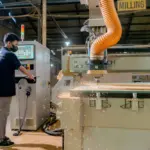
The integration of modern technology into rice processing has revolutionized traditional practices, breathing new life into an age-old craft. Innovative milling techniques, like the use of automated machinery and high-precision hulling equipment, have dramatically increased efficiency and yield. State-of-the-art sensors monitor moisture levels and the quality of grains, ensuring optimal processing conditions. As a result, producers can now process rice with greater speed and accuracy, reducing waste and enhancing the overall quality of the final product. This technological infusion not only respects traditional techniques but also elevates them to meet the demands of a global market.
In addition to machinery upgrades, advancements in digital tracking systems are changing how rice millers maintain quality control and traceability. By implementing blockchain technology, rice supply chains can ensure openness from farm to table, allowing consumers to verify the origin and processing journey of their rice. Moreover, the development of eco-friendly practices, such as biodegradable packaging and water-saving processing methods, has sparked a new wave of sustainability within the industry.These innovations symbolize a harmonious blend of tradition and modernity, enabling rice mills to thrive in a contemporary landscape without sacrificing their rich heritage.
Sustainable Practices in the Rice Milling Industry
In recent years, the rice milling industry has taken significant strides towards embracing sustainable practices that honor both ancient traditions and modern innovations. Mills are increasingly focusing on reducing their environmental footprint through practices such as waste recycling, water conservation, and energy efficiency. By harnessing natural resources responsibly, they not only protect the ecosystems but also contribute to the health of the communities in which they operate. Some of the initiatives gaining momentum include:
- Utilization of husk as biomass fuel: Rather than discarding rice husks,mills are now using them as a sustainable source of energy for their operations.
- Installation of water-efficient milling equipment: Processing machinery is being upgraded to minimize water usage, ensuring that less water is wasted during the milling process.
- implementation of rainwater harvesting systems: This leads to a reduced dependence on external water sources and promotes self-sufficiency.
Additionally, a number of innovative technologies are being integrated into the milling process to achieve better yields while decreasing pollution. Mills are increasingly adopting solar power solutions for their operations, showcasing a commitment to clean energy. Other changes include:
| Technology | Benefits |
|---|---|
| Solar-Powered Generators | Reduces reliance on fossil fuels, lowers operating costs. |
| Advanced Milling Equipment | Enhances efficiency, minimizes food waste, and improves product quality. |
These practices not only reflect a growing awareness of environmental issues but also resonate with consumers who are increasingly prioritizing sustainability in their purchasing decisions. By reinventing traditional methods through innovative strategies, the rice milling industry showcases how harmonious integration of the old and the new can forge a sustainable future.
Preserving Tradition while Embracing technological Advancements
The evolution of Chinese rice mills stands as a hallmark of how tradition can seamlessly merge with modern technology. Traditional rice milling techniques have been cultivated over centuries, emphasizing respect for the grain and its cultural significance. Today, these time-honored practices are not abandoned; instead, they are enhanced with innovative machinery designed to optimize efficiency and minimize waste. Modern mills are equipped with smart sensors and automated processes, allowing for precise control over the milling process, which preserves the quality of rice while significantly increasing output.
Moreover, the contemporary landscape of rice processing integrates renewable energy sources and sustainable practices, ensuring that the age-old art of rice milling adapts to present-day ecological demands. For instance, many mills now utilize solar power and bioenergy to reduce their carbon footprint, reflecting a commitment to environmental stewardship. Additionally,advancements in rice milling technology aim to maintain the nutritional integrity of the grain,using state-of-the-art polishing techniques that retain essential vitamins and minerals.the harmonious blend of heritage and innovation creates a culinary experience that pays homage to its roots while inviting consumers to appreciate rice in a new light.
| Traditional Methods | Modern Alternatives |
|---|---|
| Hand-cranked mills | Automated milling machines |
| Stone grinding | Precision milling systems |
| Natural drying | Controlled temperature drying machines |
| Local sourcing of grains | Global supply chains with quality checks |
Future Outlook
As we conclude our exploration of “Unlocking Tradition: The Art and Innovation of Chinese Rice Mills,” we are reminded of the intricate dance between heritage and progress. These mills, steeped in centuries of cultural significance, embody the resilience and ingenuity of those who navigate the delicate balance between honoring age-old practices and embracing modern advancements. Each grain of rice processed within their walls tells a story—a narrative of hard work, community, and the relentless pursuit of perfection.
In a world increasingly dominated by rapid technological growth, the evolution of rice milling in China stands as a testament to the power of blending tradition with innovation. It invites us to reflect on how ancient crafts can endure and thrive amidst change, serving as a bridge that connects generations. As we look towards the future,we carry with us the lessons gleaned from this rich tapestry—a reminder that while techniques may evolve and machinery may modernize,the heart of tradition remains an invaluable resource,enriching our lives and sustaining our cultures.
In celebrating the art of rice milling, we also celebrate the spirit of adaptation and the enduring quest for sustainability in food production. Let us take the insights gained from this journey and apply them to cultivate a deeper gratitude for the traditions that shape our world, ensuring that they continue to flourish for generations to come.