
Title: Unlocking the Secrets of Rice Mills: A Grain Revolution
In a world where food security is paramount, the humble rice grain stands as a testament to both sustenance and cultural heritage. Often overlooked, rice mills play a pivotal role in transforming this staple into a nourishing powerhouse that sustains billions. Yet, the intricate processes and innovative technologies that drive these mills remain shrouded in mystery for many. As we embark on a journey to unlock the secrets of rice milling, we will explore how these facilities not only enhance the quality and efficiency of rice production but also contribute to a broader agricultural revolution. Join us as we delve into the fascinating world of rice mills, uncovering the hidden mechanisms that ensure this vital crop continues to feed the globe while adapting to the challenges of sustainability and modernization.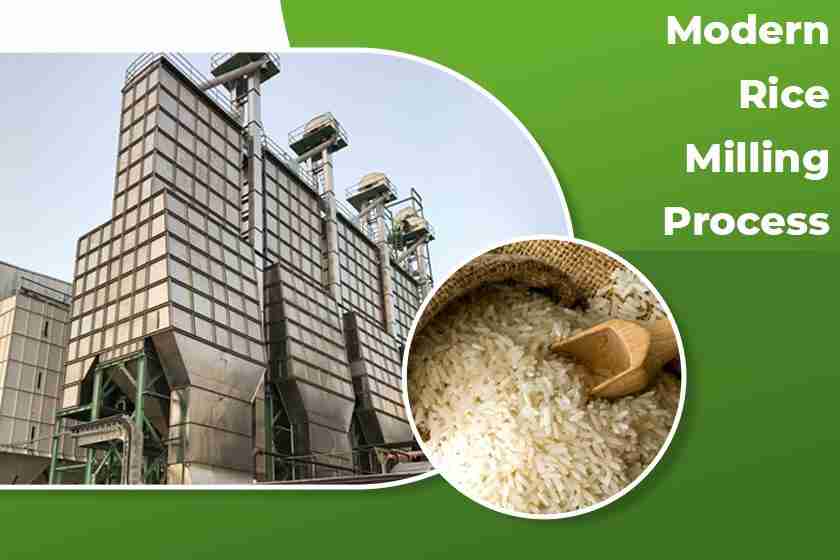
Exploring the Evolution of Rice Milling Technology
The journey of rice milling technology has been an intriguing tale of innovation, adapting to the changing demands of the world. From the primitive methods used by ancient civilizations, such as hand pounding with mortar and pestle, to the sophisticated machinery that now defines modern rice processing, each stage reflects a significant milestone in agricultural history. Traditional methods, while effective, were labor-intensive and time-consuming, leading to the need for more efficient solutions. The introduction of mechanical rice mills in the 19th century marked a pivotal moment, as these innovations not only increased production speeds but also improved grain preservation and quality.
Over the decades, advancements have continued to shape the rice milling landscape. Today’s technology incorporates powerful automated systems designed for precision and efficiency. Highlights of modern rice milling technology include:
- Fully automated milling processes that minimize human intervention.
- Innovative grading systems that ensure only the finest quality rice reaches consumers.
- Enhanced energy efficiency reducing the environmental impact.
- Smart technology integration that allows for real-time monitoring and adjustments.
| Period | Key Developments |
|---|---|
| Ancient times | Hand pounding techniques. |
| 19th century | Introduction of mechanical rice mills. |
| 21st century | Automated and smart milling systems. |

Understanding the Economic Impact of Modern Rice Mills
Modern rice mills are not just structures of machinery; they symbolize a transformative shift in agricultural economics. These facilities have revolutionized the efficiency of rice processing, bridging the gap between farmers and consumers while fostering local economies. By optimizing the milling process, they significantly reduce post-harvest losses, ensuring that more of the harvest makes it to market. This enhancement in productivity not only benefits farmers but also stabilizes prices, creating a win-win situation for both producers and consumers.
In addition, modern rice mills contribute to job creation and skill development within rural communities. They often require a diverse workforce, providing employment opportunities for both skilled and unskilled laborers. The benefits extend beyond mere employment; the knowledge and training imparted help cultivate a more proficient agricultural sector. Economic growth initiated by these mills is reflected in several key areas:
- Increased Rural Income: Higher processing efficiency leads to better financial returns for farmers.
- Market Accessibility: Mills can facilitate better access to local, national, and international markets.
- Food Security: By enhancing production capacity, they contribute to a more stable food supply.
- Community Development: Investment in mills often leads to improvements in local infrastructure.
The table below illustrates the economic benefits seen in regions with modern rice mill implementation:
| Region | Income Growth (%) | Jobs Created | Reduction in Waste (%) |
|---|---|---|---|
| Region A | 15% | 200 | 35% |
| Region B | 20% | 300 | 40% |
| Region C | 10% | 150 | 25% |
Through innovative milling technologies and practices, modern rice mills serve as catalysts for socioeconomic growth, alleviating poverty and transforming agrarian landscapes.
Sustainable Practices for Environmentally Friendly Grain Production
To foster an eco-friendly approach in grain production, particularly within rice mills, embracing sustainable agricultural practices is essential. These methods not only enhance the efficiency of rice production but also mitigate environmental impact. Key practices include:
- Crop Rotation: Alternating rice with legumes or other crops enriches soil health and reduces pest populations.
- Integrated Pest Management (IPM): Utilizing beneficial insects and organic pesticides helps maintain pest control without harmful chemicals.
- Water Conservation Techniques: Implementing systems like alternate wetting and drying (AWD) can significantly reduce water use while maintaining yield stability.
- Organic Practices: Adopting organic farming not only improves the quality of produce but also supports biodiversity.
Moreover, modern rice mills can enhance their sustainability by incorporating renewable energy sources into their operations. Utilizing solar panels or bioenergy can minimize reliance on fossil fuels, thus reducing the carbon footprint of the milling process. Additionally, it’s essential for rice mills to implement waste management strategies to recycle by-products. A simple overview of potential by-products and their sustainable uses includes:
| By-Product | Sustainable Use |
|---|---|
| Rice Husk | Used as biomass fuel or as a soil amendment. |
| Rice Bran | Processed into oil or animal feed supplement. |
Maximizing Efficiency: Best Practices for Operating a Rice Mill
To operate a rice mill efficiently, several best practices should be integrated into the daily workflow. Emphasizing preventive maintenance can significantly reduce equipment downtime. This involves regularly checking and servicing machinery to ensure all components are functioning optimally. Additionally, an organized workflow enhances productivity; streamline the processing stages from cleaning to milling and packaging. Consider implementing the following strategies:
- Employee Training: Regularly train staff on operation protocols and safety measures.
- Quality Control: Establish a quality control team to monitor the rice quality at each processing stage.
- Inventory Management: Implement real-time inventory systems to track raw materials and finished goods.
Moreover, adopting technology can further boost operational efficiency. Utilizing modern software solutions for scheduling, production tracking, and maintenance logging can provide valuable insights into performance metrics. Below is a simple table outlining essential technologies to consider:
| Technology | Function | Benefits |
|---|---|---|
| Automated Mill Control Systems | Regulate the milling process | Improves consistency and reduces labor costs |
| Temperature Sensors | Monitor grain temperature | Prevents spoilage and enhances quality |
| Data Analytics Tools | Analyze production data | Identifies inefficiencies and predicts maintenance needs |
Concluding Remarks
As we conclude our exploration of rice mills and the transformative potential they hold, it becomes clear that these seemingly unassuming facilities are at the heart of a grain revolution. From their intricate machinery to the innovative practices being implemented, rice mills not only streamline the production process but also enhance the quality and accessibility of this staple food that feeds millions.
In unlocking the secrets of rice mills, we’ve unearthed a wealth of knowledge that empowers growers, improves sustainability, and bridges the gap between farm and table. The commitment to efficiency and modernization in rice milling is not just about increasing yield; it also represents a vital step towards food security, economic development, and environmental stewardship.
As we move forward, it’s crucial to recognize the role that technology and innovation play in shaping the future of agriculture. The journey of rice milling is an ongoing story, one that invites us to engage with the processes that sustain us, challenge us, and ultimately, transform the way we think about food production.
In this grain revolution, every kernel tells a story—let’s stay curious, invested, and committed to uncovering the potential that lies within.




