
Unlocking Quality: The Ultimate Guide to Top Rice Mills
In a world where food production meets the relentless pursuit of quality, rice mills stand as the unsung heroes of the agricultural landscape. These facilities, often overshadowed by the grains they process, play a pivotal role in transforming harvested rice into the pantry staples that nourish millions. As the backbone of the rice supply chain, the efficiency and effectiveness of rice mills directly impact not only the flavor and texture of the rice on our plates but also the sustainability and economic viability of many farming communities.
This guide delves deep into the heart of rice milling, exploring the key characteristics that distinguish the most effective mills from the rest. We’ll investigate state-of-the-art technologies, innovative processing techniques, and sustainable practices that define the leaders in the industry. Whether you’re a rice producer, a culinary enthusiast, or simply someone keen to understand what goes into their daily bowl of rice, join us on this journey as we unlock the secrets to top-notch quality in rice milling. Prepare to discover how these remarkable facilities blend tradition with technology to elevate a simple grain into a global staple.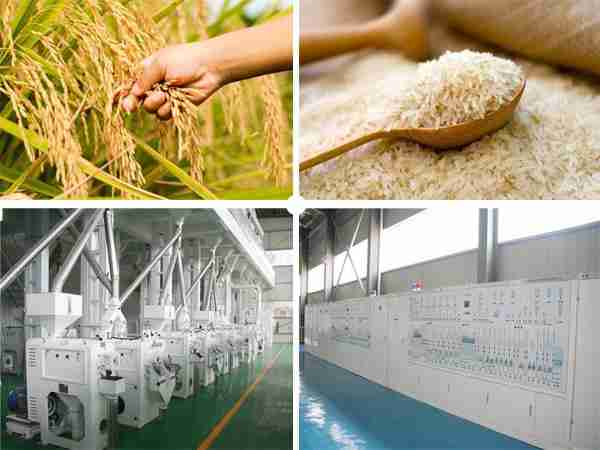
Exploring the Art of Rice Milling Techniques
In the intricate world of rice processing, various milling techniques play a pivotal role in determining the overall quality of the final product. A good rice mill combines both traditional practices and modern innovations to ensure that each grain retains its nutritional value and flavor. The heart of effective rice milling lies in understanding how different methods, such as hulling, polishing, and sorting, contribute to the end result. Utilizing advanced technology, mills can achieve precision in these processes, resulting in rice that is not only visually appealing but also rich in essential nutrients.
Important techniques include:
- Hulling: The initial removal of the outer husk.
- Polishing: Enhancing the surface appearance while minimizing broken grains.
- Sorting: Separating high-quality grains from impurities and defects.
The choice of milling machinery also significantly impacts the efficiency and quality of the rice produced. Modern rice mills often feature multi-functional systems that seamlessly integrate different milling stages, allowing for greater consistency and fewer operational steps. Understanding the coefficient of extraction can help millers optimize their processes, ensuring maximum yield without compromising quality. In this realm, quality cannot be an afterthought; every step is crucial, from the initial harvesting to the final packaging.
| Milling Technique | Key Benefits |
|---|---|
| Hulling | Preserves grain integrity |
| Polishing | Enhances market appearance |
| Sorting | Improves consumer confidence |

Evaluating the Essential Features of High-Quality Rice Mills
When selecting a high-quality rice mill, key features act as the hallmarks of efficiency and performance. A durable construction is paramount, as it ensures longevity and resilience under regular usage. The use of advanced materials not only affects the mill’s lifespan but also its maintenance requirements. Additionally, the inclusion of energy-efficient technology significantly reduces operating costs while minimizing the ecological footprint. Effective cleaning systems enhance operational hygiene and maintain the quality of the final product, preventing mold or contaminant buildup.
Another vital consideration is processing capacity—the ability of the mill to handle varying volumes of rice depending on demand. Mills that offer customizable settings cater to diverse market needs, providing flexibility for businesses of different sizes. Automation features further streamline operations, enhancing consistency and reducing labor costs while ensuring that every batch meets the desired quality standards. Regular customer support and service availability cannot be overlooked; having a reliable partner for maintenance and troubleshooting can spell the difference between smooth operations and extended downtimes.
Understanding the Nutritional Impact of Rice Processing
The way rice is processed significantly influences its nutritional profile, which can have a lasting impact on health. Milling techniques play a crucial role in determining the nutrient retention of the grain. When rice is husked and polished, the outer layers containing vital nutrients such as fiber, vitamins, and minerals are often stripped away. This can lead to rice that is less nutritious than its whole grain counterpart. The extent of nutrient loss depends on the processing method applied—parboiled rice, for instance, retains more nutrients compared to white rice, as some vitamins and minerals seep from the bran into the grain during steaming before milling.
Moreover, different rice varieties also yield varying nutritional benefits post-processing. For example, brown rice retains its bran and germ, making it a source of essential nutrients including magnesium, phosphorus, and B vitamins. In contrast, white rice, while often favored for its texture and cooking properties, has a higher glycemic index and fewer nutrients. Understanding these differences can help consumers make informed choices, particularly in relation to dietary needs and health goals. Here’s a brief overview of the nutrient content comparison:
| Rice Type | Calories (per 100g) | Fiber (g) | Protein (g) | Glycemic Index |
|---|---|---|---|---|
| Brown Rice | 111 | 2.7 | 2.6 | 50 |
| White Rice | 130 | 0.4 | 2.4 | 72 |
| Parboiled Rice | 123 | 1.2 | 2.6 | 58 |
The choice of rice can not only affect meal preparation but also overall health outcomes. Consumers should consider not just the taste and preference for a particular rice type but also its nutritional value. Understanding the changes that occur during processing can empower individuals to select rice that aligns better with their dietary needs, ultimately enhancing their nutritional intake and supporting a balanced diet.
Choosing the Right Rice Mill for Your Needs
When it comes to selecting a rice mill, it is essential to consider several factors that directly impact performance and efficiency. First and foremost, evaluate your production needs. Whether you are a small-scale farmer or a large commercial distributor, identifying your capacity requirements will guide you in choosing a mill that meets your specific output demands. Additionally, consider the quality of the final product. Modern rice mills come equipped with technology that not only improves the milling process but also enhances the quality of rice. Look for features such as huskers, de-stoners, and polishing systems that are crucial for achieving superior grain quality.
Another key consideration is the energy efficiency of the rice mill. High energy consumption can significantly increase operational costs, so it’s advisable to seek out mills that utilize efficient motors and machines. Maintenance support and warranty options should also be a part of your decision-making process. Establishing a relationship with suppliers who offer comprehensive after-sales service can save you time and money in the long run. To help illustrate the options available, refer to the table below for a comparison of popular rice mills:
| Model | Capacity (kg/h) | Power (kW) | Features |
|---|---|---|---|
| Mill A | 100 | 15 | Eco-friendly, Low noise |
| Mill B | 200 | 30 | Auto-cleaning, High efficiency |
| Mill C | 250 | 45 | Multi-functional, Built-in de-stoner |
Wrapping Up
As we draw the curtains on our exploration of the world of rice mills, it’s evident that behind every grain lies a story of quality, precision, and innovation. The journey through this ultimate guide has illuminated the pivotal role these mills play in ensuring that the staple we often take for granted is not just a source of nourishment but a reflection of meticulous craftsmanship.
Whether you are a consumer seeking the best for your table, a farmer navigating the intricacies of processing, or an entrepreneur considering an investment in the milling sector, understanding the nuances of rice quality is paramount. We hope this guide has equipped you with the insights necessary to make informed choices that resonate with your needs and values.
As the sun sets on our discussion, remember that the quest for quality is ongoing. Each mill has its unique story, its own standards, and its commitment to excellence. So, as you savor your next meal of rice, let the knowledge you’ve gained signal a deeper appreciation for the journey those grains have taken. Here’s to unlocking quality and the many adventures that lie ahead in the expansive world of rice milling.




