
In the heart of the farming landscape, where the golden fields of rice sway gently in the breeze, a quiet revolution is taking place. As the global demand for rice continues to rise, so too does the need for innovative solutions that enhance productivity and streamline operations. Enter the combined mini rice mill—a beacon of efficiency tailored for the modern agrarian environment. This compact powerhouse not only simplifies the milling process but also empowers small-scale farmers with the tools necessary to maximize their yields and reduce waste. As we embark on a journey to explore the emergence of this transformative technology, we will uncover how the combined mini rice mill is not just changing the way rice is processed, but also reshaping the future of rural livelihoods and food security. Join us as we unlock the potential of this game-changing innovation and its pivotal role in the evolving landscape of agriculture.
Innovative Technology Driving mini rice mill Adoption
The emergence of advanced technologies has significantly transformed the landscape of rice milling, fostering a new wave of efficiency and sustainability. Modern mini rice mills now integrate smart sensors and automated controls, optimizing the milling process from start to finish. These technological advancements not only increase output but also enhance the quality of the final product. Farmers and rice mill operators are increasingly drawn to systems that allow for real-time monitoring of grain moisture levels and milling temperature, ensuring precision in every batch. Energy-efficient motors and eco-friendly designs further elevate the appeal, making these mills environmentally sustainable options in rice processing.
Moreover, the transition to combined mini rice mills has revolutionized traditional practices, reducing downtime and labor costs. The compact design allows for seamless integration into small farming operations without requiring extensive infrastructure. Many of these technologies also incorporate user-friendly interfaces, enabling mill workers with varying skill levels to operate them efficiently. The benefits of adopting mini rice mills are clear:
- Higher Yield: Increased processing capacity in a smaller footprint.
- Quality Assurance: Improved grain quality through precise milling techniques.
- Cost Efficiency: Reduced operational costs over time.
As these innovations continue to mature, the potential for mini rice mills to reshape the agricultural economy becomes increasingly apparent. With ongoing advancements in technology, farmers are recognizing the significance of investing in these systems, signaling a shift towards smarter agricultural practices that emphasize not just productivity but also sustainability.
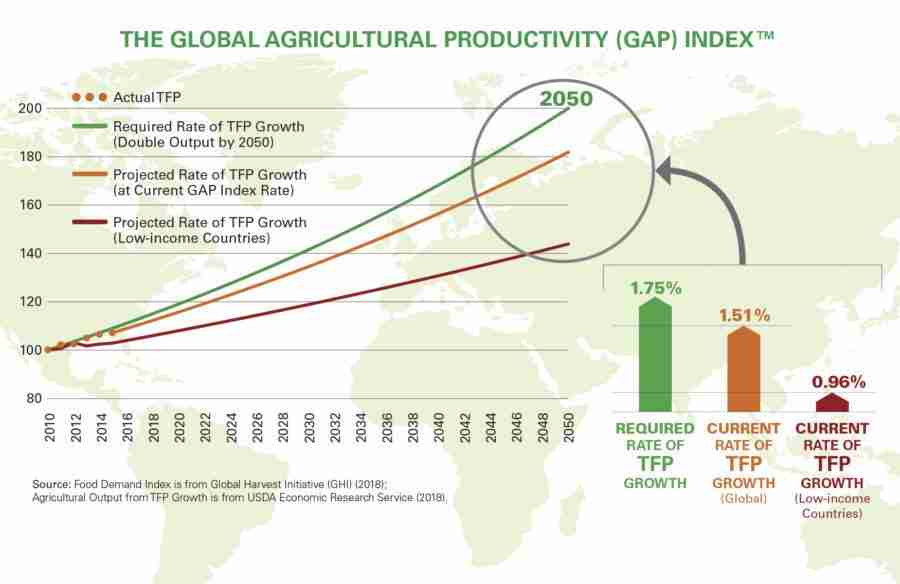
Enhancing Agricultural Productivity Through Integrated Milling Solutions
In the quest to boost agricultural productivity, integrated milling solutions have emerged as transformative technologies, addressing the challenges faced by small and medium-sized rice farmers. The advent of the combined mini rice mill has revolutionized the post-harvest process by seamlessly integrating multiple functions such as husk removal, milling, and grading into one compact unit. This not only minimizes losses due to manual handling but also ensures a consistent quality of milled rice, meeting both the local and international market standards. With reduced processing time and enhanced efficiency, farmers can gain a significant edge, ultimately transforming their businesses and livelihoods.
The advantages of adopting these modern milling solutions are numerous, including:
- Cost-Effectiveness: Lower operational costs due to reduced labor and energy usage.
- Reduced Waste: Maximized output with less byproduct generation.
- Quality Control: Reliable and uniform milling results, boosting customer satisfaction.
- Accessibility: Easy to operate and maintain, making them suitable for rural areas.
| Feature | Description |
|---|---|
| Compact Design | Small footprint, ideal for limited space. |
| Multi-Functionality | Includes multiple milling processes in one machine. |
| Energy Efficiency | Designed for low energy consumption. |
| Durability | Constructed to withstand harsh operating conditions. |

Cost-Effective Operations: Maximizing Return on Investment
The implementation of combined mini rice mills offers a significant opportunity for increasing operational efficiency while minimizing overall costs. These mills incorporate multiple functions, allowing for the simultaneous processing of rice, which dramatically shortens production time. By consolidating machinery into a compact form, businesses can save on both workspace and energy consumption, thereby reducing overhead expenses. More importantly, the cost of maintenance and operational staffing is diminished, allowing for reinvestment into other areas of the business. This innovative approach not only addresses the need for a streamlined operation but also enhances cash flow, fostering a positive return on investment.
Moreover, the affordability of combined mini rice mills makes them accessible to a wider array of farmers and entrepreneurs looking to enter the rice production industry or expand existing operations. The return on investment is further supported by the following benefits:
- Lower Capital Expenditure: Reduced initial investment compared to larger, traditional mills.
- Increased Flexibility: Ability to customize the processing to meet market demand.
- Higher Quality Output: State-of-the-art technology ensures better milling efficiency and product quality.
To illustrate potential impact, consider the following table that summarizes the cost savings and return generation over a year:
| Metrics | Traditional Mill | Combined mini rice mill |
|---|---|---|
| Initial Setup Cost | $50,000 | $20,000 |
| Annual Operating Cost | $20,000 | $5,000 |
| Expected Annual Revenue | $100,000 | $60,000 |
| Net Annual Profit | $30,000 | $55,000 |
This clear financial advantage underlines the value proposition of combined mini rice mills in the current market landscape, making them a compelling choice for those aiming to maximize efficiency and profitability.
Sustainable Practices in Mini Rice Milling for Future Growth
In the evolving landscape of rice milling, adopting eco-friendly techniques is essential for aligning with global sustainability goals. Mini rice milling operations can implement several strategies to minimize their ecological footprint while maximizing efficiency. Some noteworthy practices include:
- Water Conservation: Implementing closed-loop water systems to reuse water and reduce waste.
- Energy Efficiency: Utilizing renewable energy sources such as solar panels can significantly decrease reliance on fossil fuels.
- Waste Management: Converting rice husks and by-products into bioenergy or organic fertilizers to promote a circular economy.
Moreover, the future growth of the rice milling sector hinges on the integration of modern technology with sustainable practices. By investing in machinery that utilizes less energy and produces less noise and emissions, operators not only enhance their productivity but also contribute positively to the community and environment. The following table highlights key technologies for sustainable rice milling:
| Technology | Benefits |
|---|---|
| Solar-Powered Mills | Reduces energy costs and reliance on non-renewable resources. |
| Automatic Paddy Separators | Enhances efficiency by minimizing manual intervention and waste. |
| Biomass Generators | Utilizes agricultural waste, lowering production costs while generating energy. |
In Summary
the rise of the combined mini rice mill marks a transformative step in the agricultural landscape, offering innovative solutions to meet the evolving demands of rice production. By blending technological advancements with sustainable practices, these compact powerhouses not only enhance efficiency but also empower small-scale farmers to thrive in an increasingly competitive market. As we venture into a future where food security and sustainable farming are paramount, the combined mini rice mill stands as a beacon of hope, promising to unlock the full potential of rice cultivation. With continued investment in research and development, the benefits of this remarkable machine will ripple through communities, transforming how we approach one of the world’s most crucial staples. Embracing this evolution paves the way for a more efficient, resilient, and prosperous agricultural sector—one where every grain counts.




