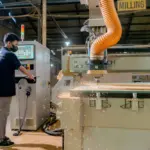
In a world where agriculture meets innovation, the humble rice mill has undergone a transformative journey. Once relegated to the sidelines of farming operations, the emergence of combined mini rice mills is redefining efficiency and sustainability in rice processing. These compact powerhouses, designed to streamline multiple tasks in a single setup, are empowering smallholder farmers and entrepreneurs alike. As we delve into the myriad benefits of these cutting-edge machines, we uncover how they not only enhance productivity but also foster economic resilience and environmental stewardship in rice-producing communities. Join us as we explore the fascinating world of combined mini rice mills and their potential to revolutionize the grain industry from the ground up.
Understanding the efficiency of Combined Mini Rice Mills in production
The efficiency of combined mini rice mills has transformed traditional rice production into a stream-lined, cost-effective operation. By integrating multiple processes such as husking, whitening, and polishing into a single machine, these mills significantly reduce the time and labor previously required. The benefits include:
- Space Optimization: Combined mills require less physical space compared to conventional setups, making them ideal for small-scale farmers.
- energy Efficiency: Operating as a single unit minimizes energy consumption, contributing to lower operational costs.
- Consistent Quality: The integrated system ensures uniform processing, leading to higher quality rice output.
Moreover, the technological advancements in these machines enhance productivity without compromising on quality. Such as,modern mills often feature automated systems that reduce human intervention and minimize the chances of error. This results in a smoother workflow, evidenced by:
| key Features | Benefits |
|---|---|
| Automated Operations | Less labor-intense, boosts efficiency |
| Durable Materials | Longer lifespan, reduces maintenance costs |
| Compact Design | Easy relocation, high adaptability |

Enhancing Quality Standards Through Innovative Processing Techniques
The integration of advanced processing techniques in combined mini rice mills significantly elevates the quality standards of rice production. By leveraging innovative machinery, these mills can reduce broken grains and enhance overall yield. This efficiency is achieved through the utilization of modern milling technology, which not only optimizes the separation of husks but also improves the polishing process. The result is rice that not only meets but frequently enough exceeds market quality expectations.
Moreover, the benefits extend beyond just the production of high-quality grains. Implementing such systems leads to a reduction in environmental impact, as they are designed to consume less energy and generate minimal waste. Key advantages include:
- Reduced Labor Costs: Automation minimizes the need for manual intervention.
- Lower Operational Costs: Energy-efficient machines contribute to cost savings.
- Improved Product Consistency: Advanced technology ensures uniformity in milling.
| Feature | Traditional Mills | Combined Mini Rice Mills |
|---|---|---|
| Energy Consumption | High | Low |
| Labor Requirement | High | Low |
| Output Quality | Variable | Consistent |
| Environmental Impact | Significant | Minimal |
economic Advantages of Integrated Milling Solutions for Farmers
Integrated milling solutions offer a myriad of economic advantages for farmers that go beyond just rice processing. By utilizing these advanced systems, farmers can achieve cost efficiency through streamlined operations. The combination of multiple functionalities—like milling, husking, and sorting—into a single machine minimizes the need for extensive equipment. This consolidation not only reduces initial capital expenditures but also lowers maintenance costs, as fewer machines mean fewer repairs and replacements. Furthermore, the energy efficiency of these integrated systems can lead to significantly reduced utility costs, allowing farmers to allocate resources to other critical areas of their operations.
Moreover, integrated milling solutions enhance product quality, which in turn can lead to better market prices. Farmers can maintain more control over the milling process, ensuring that their product meets market standards and satisfies consumer preferences. The ability to market superior quality rice often results in improved profit margins. Additionally, by reducing waste through more efficient processing, farmers can maximize their output, leading to greater overall productivity. The economic impact can be further illustrated in the table below:
| Key Economic Factors | Standard Milling | Integrated Milling |
|---|---|---|
| Initial Investment | Higher | Lower |
| Maintenance Costs | Frequent | Reduced |
| Energy Consumption | Higher | Lower |
| Product Quality | Variable | Consistently High |
| Profit Margins | Standard | Enhanced |
Sustainable Practices and Environmental Impact of Mini Rice Mills
Mini rice mills not only enhance operational efficiency but also play a pivotal role in promoting sustainability within the agricultural sector. By leveraging innovative technology, these mills utilize resources wiht greater efficacy, thus reducing the carbon footprint associated with rice processing. the reduced energy consumption leads to lower greenhouse gas emissions, making mini rice mills an environmentally amiable alternative to traditional milling practices. Moreover, the ability to locally process rice promotes food sovereignty and decreases reliance on large-scale industrial operations that are often miles away, which in turn mitigates transportation emissions and preserves local livelihoods.
In addition to energy efficiency, mini rice mills contribute to sustainable agriculture through the effective management of byproducts. The husks and bran produced during milling can be repurposed in various ways, such as:
- Animal feed – Reducing waste and supporting local livestock production.
- Organic fertilizers – Enhancing soil quality and reducing the need for synthetic inputs.
- Renewable energy sources – Utilizing husks for biomass energy and promoting eco-friendly energy alternatives.
This multifunctional approach not only boosts agricultural productivity but also fosters a circular economy, where waste is minimized, and resources are reused efficiently. As farmers increasingly choose mini rice mills, the cumulative impact on the surroundings becomes significant, spotlighting the need for sustainable practices within the rice industry.
In Conclusion
the journey through the advantages of combined mini rice mills reveals a compelling narrative of innovation and efficiency in the world of agriculture.As we’ve explored, these compact powerhouses not only streamline the rice milling process but also empower small-scale farmers, enhance productivity, and contribute to sustainable practices within rural communities. Their ability to adapt to various scales of operation offers a glimmer of hope for those aiming to bridge the gap between traditional methods and modern agricultural demands. As we embrace the future of food production, the integrated solutions provided by combined mini rice mills highlight the potential for growth, progress, and resilience in the industry. ultimately, these mills stand as a testament to creativity and pragmatism, ushering in an era where farmers are not only nurturers of the earth but also innovators in their own right. The harvest of tomorrow indeed looks brighter, thanks to these remarkable machines.