Introduction:
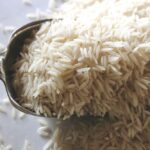
In the heart of agriculture, the simple grain of rice stands as a staple that nourishes billions around the globe. Yet, its journey from paddy fields to plates is a multifaceted process, intricately woven with tradition and technology. as smallholder farmers and large-scale producers alike strive for greater efficiency, the advent of combined mini rice mills emerges as a game-changing innovation. This complete guide delves into the myriad benefits and functionalities of these compact machines, dissecting how they not only enhance efficiency in rice processing but also contribute to sustainable agricultural practices. From their design and operational mechanics to their impact on local economies and food security,we will explore how combined mini rice mills are reshaping the landscape of rice production,empowering farmers with new tools to thrive in a competitive market. Join us on this enlightening journey to uncover the potential within every grain.

Understanding the Mechanics of Combined Mini Rice Mills
involves delving into their operational processes and maintenance needs. When evaluating these systems,consider the following actionable steps:
- Check the Specifications: Ensure that the mill’s capacity matches your expected output. For instance, a 1-2 tons per hour mill is ideal for small-scale farmers, whereas larger operations may require 3-5 tons per hour.
- Inspect the Components: pay attention to the milling unit, husker, and separator. A common issue arises when the husker does not effectively remove the husk, leading to quality loss. Always choose mills that feature adjustable settings for husking to adapt to different rice varieties.
- Assess energy Efficiency: Look for energy-efficient models.Some mills utilize a combined motor for both milling and polishing, considerably reducing energy costs. Investigate average consumption, ensuring it aligns with your operational budget.
When operating your combined mini rice mill, it’s essential to monitor several key aspects to enhance performance:
- Routine Maintenance: Establish a regular maintenance schedule, especially for parts prone to wear, such as rollers and screens. Neglecting this can lead to decreased efficiency and higher repair costs.
- Quality of Raw Material: The moisture content of the rice influences the milling process. Ideally, rice should be about 12-14% moisture for optimal output. Use a moisture meter to avoid problems associated with high moisture levels, such as sticky rice.
- Training and Skill Level: Ensure that operators are well-trained in the machinery’s operation. Such as, improper adjustments can lead to excessive breakage of grains. Investing in training can substantially increase the yield and quality.

Enhancing Efficiency Through Technological Advancements
To truly enhance efficiency in rice processing using combined mini rice mills, it’s crucial to evaluate the specific technological features these mills offer. Begin by examining the milling components—machines equipped with both huskers and whiteners can significantly streamline the process. Check the following features when selecting a mill:
- Power Efficiency: Assess the energy consumption of the mill.Look for models with energy-efficient motors that reduce operational costs.
- Production Capacity: Consider your processing needs. A mill with a capacity of 1,000 kg per hour can greatly improve throughput compared to a smaller machination.
- Aerodynamics in Design: Ensure that the mill’s design minimizes dust and noise pollution, which can enhance the working surroundings and reduce waste.
Common pitfalls in adopting new milling technology often arise from ignoring maintenance needs and operator training. Frequent breakdowns can occur without regular maintenance schedules, so implement a checklist for routine inspections. Additionally, ensure that operators are trained on the specific technologies being used. Here’s a quick checklist for maximizing efficiency:
- Conduct regular training sessions focused on new features.
- Establish a preventative maintenance routine based on usage frequency.
- Monitor production metrics and set up alerts for unusual outputs.
Evaluate data on operational metrics to make smarter choices regarding milling technology investments. For instance, transitioning to a combined mill with a rice husk utilization feature can reduce waste and produce energy for other operations, bolstering overall efficiency.
Addressing Common Challenges in Rice Processing
In rice processing, common challenges can severely impact production efficiency. To mitigate these issues, pay close attention to the settings and maintenance of your combined mini rice mill. Key areas to check include:
- Moisture Content: Always ensure that your paddy moisture levels are optimal (14%-17%). High moisture can lead to spoilage and inefficient milling. use a moisture meter to monitor this consistently.
- Mill Settings: Adjust the milling speed and pressure settings according to the type of rice. As an example, harder varieties like Basmati may require slower speeds to prevent breakage.
- Regular Cleaning: Build-up of husk and broken rice can clog the system, affecting output quality. Schedule daily clean-up routines to maintain operational efficiency.
Operational errors can also compromise yield. Common pitfalls include:
- Overloading: Avoid exceeding the mill’s capacity. Stick to the manufacturer’s guidelines, as overloading can cause excessive wear and subpar milling results.
- Ignoring Lubrication: Ensure all moving parts are well-lubricated. Neglecting this can lead to mechanical failures, which are costly and time-consuming to resolve.
- Inadequate Training: Invest time in training your operators on the specific handling and operation of your mini rice mill to minimize human error and enhance overall productivity.
Consider this table for quick reference:
| Common Challenge | Recommended Action |
|---|---|
| High Moisture in Paddy | Use moisture meter and dry grains before milling |
| Improper Mill Settings | Customize settings based on rice type and size |
| Machine Clogging | Implement daily cleaning protocols |
Making smarter decisions involves investing in high-quality machinery and establishing a regular maintenance schedule. Track performance metrics and identify trends that indicate potential issues.For example, if you notice a consistent drop in yield, it may be time to inspect the mill for wear or consider upgrading components.By proactively managing these challenges, you can enhance the efficiency and output of your rice processing efforts.
Maximizing Output: Best Practices for Effective Use
To maximize the output of combined mini rice mills, it’s essential to implement best practices that enhance both efficiency and product quality. Start by ensuring that you maintain the machinery properly. Check items such as:
- Regular lubrication of moving parts to prevent wear and tear.
- Frequent inspection of screens and hulling mechanisms for wear, as damaged parts can lead to uneven processing.
- calibrating the milling settings to fit the specific type of rice being processed, as variations in moisture content and grain size can affect output.
Common mistakes frequently enough include underestimating the importance of grain quality and storage conditions. Always test the rice for moisture content before milling; ideally, it should range between 14-18%. Consider using a portable moisture meter for accuracy. Additionally, ensure proper storage facilities to prevent recontamination post-processing. Aim for optimal milling capacity by conducting regular performance reviews to identify bottlenecks in the process. Use the following table to evaluate your efficiency:
| Metric | Target | Current |
|---|---|---|
| Output per hour | >=1000 kg | [Your data] |
| breakage rate | <=5% | [Your data] |
By keeping these factors in check and implementing specific measures, you’ll not only enhance the overall effectiveness of your mini rice mill but also ensure a higher quality end product that meets market standards.
Key Takeaways
the journey through the landscape of combined mini rice mills reveals a harmonious blend of tradition and innovation, showcasing their pivotal role in enhancing efficiency and streamlining rice processing. As we’ve explored, these compact powerhouses not only optimize the production cycle but also empower smallholder farmers and rural communities by making rice milling more accessible and sustainable. By understanding the unique benefits and functionalities of these machines, stakeholders can harness their potential to improve yield quality and reduce wastage, contributing to a more resilient agricultural economy.
Embracing combined mini rice mills is not just an investment in technology; it is a commitment to supporting local industries and promoting food security. As we look to the future, the continued evolution and adoption of these mills stand to redefine the rice sector, making it more efficient, responsible, and responsive to the demands of a growing population. The benefits are clear, but the journey doesn’t end here—the exploration of innovations in rice processing continues to beckon.let us remain curious and engaged as we witness how these transformative tools will shape the agricultural narrative of tomorrow.