In a world that increasingly demands efficiency and sustainability, the humble grain of rice has taken on a transformative role, signaling not just a staple food source but a catalyst for economic growth. As we delve into the intricacies of rice milling units, we discover a burgeoning trend that is reshaping agricultural landscapes and enhancing local economies. These compact yet powerful milling operations are not merely about processing rice; they embody a shift towards empowerment, technological advancement, and improved livelihoods for farmers and communities alike. With the rise of rice milling units, we stand at a crossroads where tradition meets innovation, unlocking new pathways towards a more efficient and sustainable future in the agricultural sector. Join us as we explore the implications of this evolution, the technology driving it, and the far-reaching impacts on food security and economic resilience.
Understanding the Benefits of Modern Rice Milling Technology
Modern rice milling technology has transformed the agricultural landscape, providing significant advantages over traditional milling methods. One of the most notable benefits is increased efficiency, wich allows for higher processing capacity in shorter time frames. Farmers and millers can now process larger quantities of rice with greater speed, ensuring that nothing goes to waste during harvesting seasons.This improvement not only maximizes output but also contributes to faster market delivery, allowing consumers consistent access to freshly milled rice.
Along with efficiency, contemporary rice milling units integrate automated systems that enhance the quality of the finished product.These advancements ensure precise control over factors such as moisture retention and milling temperature, which significantly impact the grain’s taste and nutritional value. Key advantages include:
- Reduced broken rice percentage: Modern equipment minimizes grain breakage,leading to higher quality rice.
- Precision milling: Automation enables consistent milling results, improving end product uniformity.
- Energy efficiency: New technologies consume less energy, decreasing operational costs.
The table below highlights a comparison of traditional versus modern rice milling systems:
| Aspect | traditional Milling | Modern Milling |
|---|---|---|
| Processing Speed | Low | High |
| Grain Quality | Variable | Consistent |
| Energy Consumption | High | Low |
| Maintenance Needs | high | Lower |
the adoption of modern rice milling technology is not merely a trend but a significant leap forward in agricultural productivity, placing quality and efficiency at the forefront of rice processing.
Optimizing Production: Best Practices for Rice Milling Units
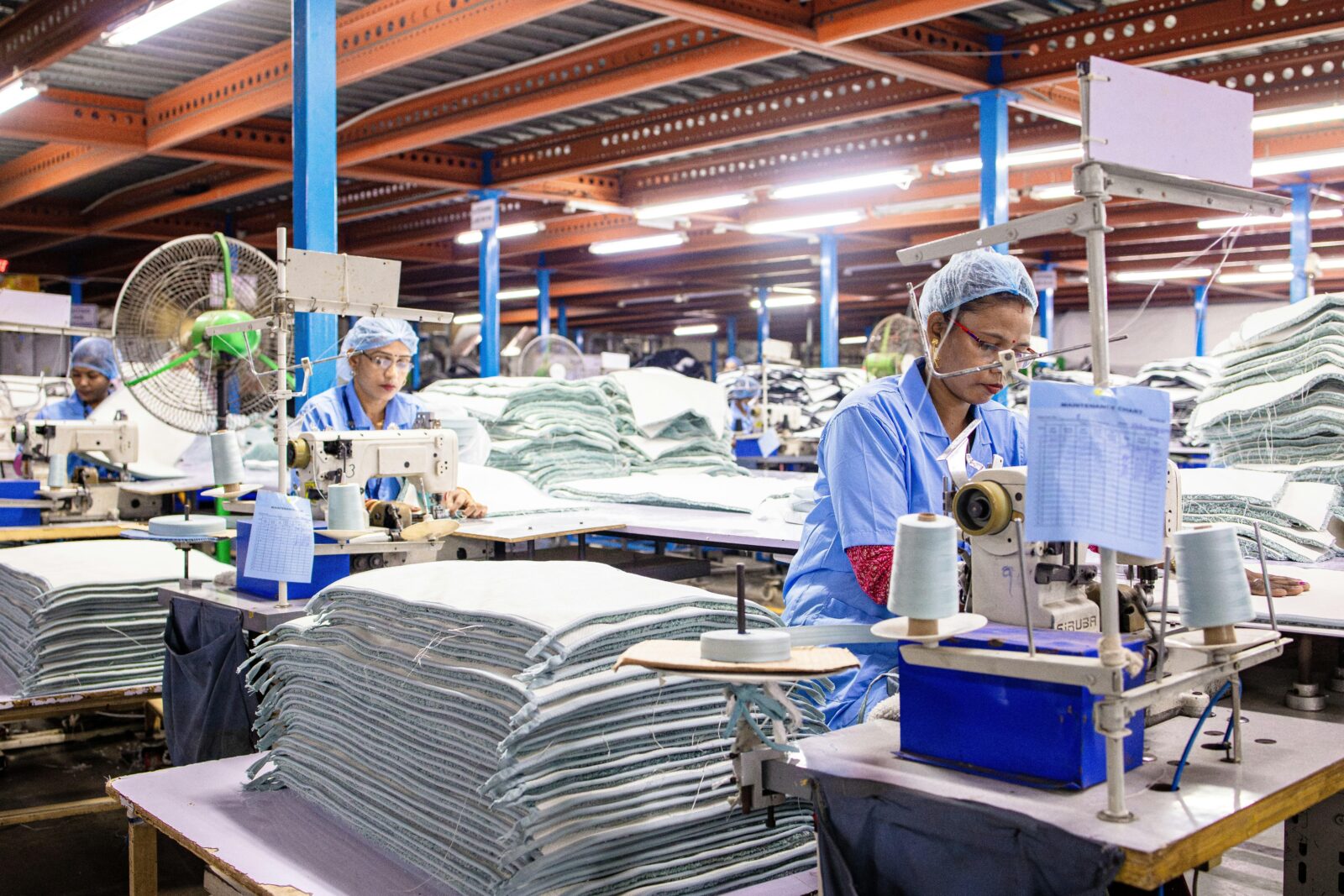
To enhance productivity in rice milling units, implementing automated processes is crucial. automation not only streamlines operations but also reduces human error, leading to a more consistent product quality. Consider integrating the following strategies to maximize efficiency:
- Advanced Machinery: Investing in state-of-the-art milling equipment can significantly improve processing speeds and output quality.
- Process Optimization: Regularly reviewing and optimizing milling processes ensures that all units are operating at their best efficiency.
- Staff Training: Continuous training for operators on new technologies and best practices helps maintain high performance levels.
Additionally, effective inventory management plays a vital role in optimizing production levels.by maintaining a well-organized system for both raw materials and finished products, mills can enhance workflow and reduce delays.Below is a simple overview of inventory types:
| Inventory Type | Description | Benefits |
|---|---|---|
| Raw Materials | Unprocessed rice grains awaiting milling. | Ensures a steady production flow. |
| Work-In-Progress | Rice at various stages of the milling process. | Helps track bottlenecks quickly. |
| Finished goods | Milled rice ready for distribution. | Facilitates timely delivery to the market. |
Evaluating Economic Impacts on Local Communities
As rice milling units proliferate within rural landscapes, they serve not only as businesses but as catalysts for socio-economic transformation in local communities. The establishment of these units provides significant benefits that extend beyond sheer employment opportunities. A notable impact is the upliftment of local farmers, who gain immediate access to milling services, reducing post-harvest losses and improving the quality of their produce. Furthermore, the local economy experiences a boost as these units procure resources and services from nearby suppliers, fostering a symbiotic relationship that invigorates regional commerce.
Additionally, rice milling units frequently enough become hubs for innovation and education within their communities. They can lead to the implementation of training programs that equip individuals with the skills necessary to operate machinery, manage businesses, or engage in quality control processes. This not only enhances labor capabilities but also cultivates an entrepreneurial mindset among residents. Through community engagement, these units may contribute to the progress of sustainable practices, such as waste recycling and energy efficiency, which further strengthen the socio-economic fabric of the area.
Sustainable Practices: Enhancing Efficiency While Protecting Resources
Modern rice milling units are revolutionizing traditional agricultural practices by embracing sustainability at every stage of production. These innovative setups not only increase the efficiency of rice processing but also prioritize the conservation of vital natural resources. Leveraging state-of-the-art technologies, such as solar energy systems and waste heat recovery, these mills significantly reduce energy consumption.Additionally, the implementation of precision milling techniques minimizes grain loss, ensuring that every resource is utilized effectively. By adopting circular economy principles, excess by-products are transformed into valuable inputs, such as biofuels and animal feed, thus fostering a closed-loop system that benefits both the environment and local economies.
The operational benefits of modern rice milling units stretch beyond merely conserving resources. These facilities contribute to economic stability by enhancing productivity and offering job opportunities in rural communities. Sustainable management practices,including water recycling systems and eco-friendly waste disposal,not only safeguard the surrounding ecosystems but also ensure compliance with environmental regulations. Furthermore, communities can benefit from educational programs focused on sustainable agricultural practices. The symbiotic relationship between efficiency and sustainability fulfills both economic aspirations and ecological responsibilities, ultimately paving the way for a more resilient agricultural landscape.
| Benefits of Sustainable Rice Milling | Impact on Resources |
|---|---|
| Increased Energy efficiency | Lower carbon footprint |
| Reduced Water Usage | Preservation of water resources |
| Waste Utilization | Enhanced productivity through by-products |
| Job Creation | Economic upliftment in local communities |
In Retrospect
As we conclude our exploration of rice milling units and their transformative impact on agricultural efficiency, it becomes clear that these innovative hubs are more than just machinery; they are the backbone of a burgeoning rice economy. By streamlining processes and maximizing output,these units not only enhance productivity but also empower farmers,contribute to food security,and foster sustainable practices.
In a world where efficiency is key, the rise of rice milling units signifies a step toward a future where agricultural practices are both technologically advanced and environmentally conscious.As we continue to unlock the potential of these systems, it is essential to embrace the synergy between tradition and innovation, ensuring that every grain of rice is milled with care and purpose.The journey doesn’t end hear; it’s merely the beginning of a larger dialog about sustainable agriculture and the technologies that support it. As we look ahead, may we remain committed to exploring new avenues that honor our resources and uplift our communities. In the grains of rice, we find not just sustenance, but the promise of progress.