In the intricate tapestry of global agriculture, few staples hold as much importance as rice. This humble grain, a lifeline for billions, has inspired centuries of cultivation and culinary dedication. But hidden within the journey from paddy to plate lies a story of innovation and transformation, shaped by the evolution of rice mill plants. These facilities represent the culmination of technological advancements and traditional practices, where nature meets machinery in a harmonious dance. This article delves into the innovative processes that drive modern rice milling, exploring how innovations in technology not only enhance efficiency but also prioritize sustainability and quality. Join us as we uncover the remarkable transformations that breathe new life into grains and pave the way for a more resilient agricultural future.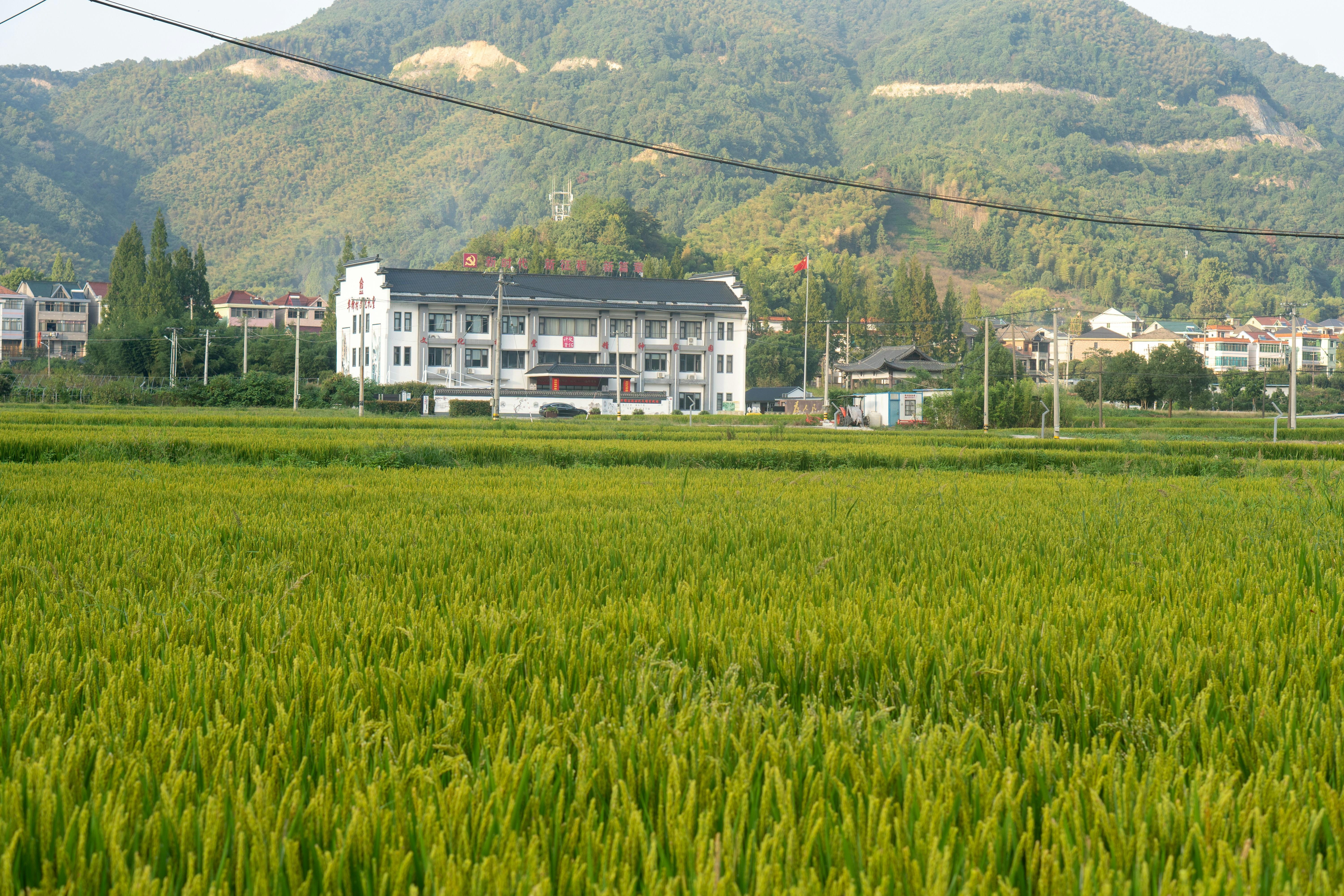
The Evolution of Rice Mill Technology and Its Impact on Grain Processing
The journey of rice mill technology has been nothing short of revolutionary, shaping the landscape of grain processing over the decades. early rice milling operations relied heavily on manual labor and rudimentary mechanical systems, often resulting in significant grain loss and inefficiency. the advent of modern milling machinery has introduced unprecedented precision and speed, allowing for the production of high-quality polished rice while minimizing waste.Key innovations include:
- Automated Grading Systems: Ensuring that only the highest grade rice makes it to market.
- Husking Machines: Efficiently separating the husk from grains with minimal damage.
- Colour Sorters: utilizing advanced imaging technology for quality control.
Furthermore, today’s rice mills are increasingly embracing sustainable practices through the integration of energy-efficient technologies and waste recycling processes. This evolution not only enhances productivity but also contributes to environmental preservation. With innovations such as:
- Biomass Fuel Systems: Utilizing rice husks as a renewable energy source.
- Effluent Treatment Solutions: Mitigating the environmental impact of milling by-products.
- Smart sensors: Monitoring processes in real-time to optimize performance and reduce resource consumption.
As a result of these advancements, rice milling operations can now achieve higher yields while maintaining quality, leading to improved profitability for farmers and millers alike. The future of grain processing is bright, driven by continuous innovation and a commitment to sustainability.

Sustainability Practices in Modern Rice mill Plants
Modern rice mill plants are increasingly embracing sustainability practices that not only improve operational efficiency but also contribute to environmental conservation. The integration of innovative technologies helps minimize waste and optimize resource use. For example, many plants now utilize energy-efficient machinery that reduces electricity consumption, while others invest in systems that convert by-products into biofuel or organic fertilizers. These advancements lead to significant reductions in greenhouse gas emissions and promote a circular economy.
Additionally, water management systems are becoming crucial in modern rice milling processes. By implementing advanced irrigation techniques and rainwater harvesting,mills can achieve extraordinary water savings.Furthermore, the use of eco-pleasant packaging not only reduces plastic waste but also resonates with environmentally conscious consumers. as the industry evolves,rice mill plants are looking to build partnerships with local farmers to promote sustainable practices,leading to greater community engagement and a more resilient supply chain.
| Practice | Benefits |
|---|---|
| Energy-efficient machinery | Reduces power consumption |
| waste-to-energy systems | Utilizes by-products for energy |
| Water-saving irrigation | Minimizes water usage |
| Eco-friendly packaging | Decreases plastic waste |
Enhancing Efficiency through automation and Smart Systems
In the world of grain processing, innovation has paved the way for significant transformations, melding technology with traditional methods to elevate productivity and precision. rice mill plants are now equipped with cutting-edge automation that streamlines operations,ensuring each step,from de-husking to polishing,is efficiently executed. These automated systems reduce human error and increase output while maintaining the quality of the end product. Key benefits include:
- Real-time monitoring: Intelligent sensors track the milling process, allowing for immediate adjustments and minimizing downtime.
- Energy efficiency: Smart machinery optimizes energy consumption, driving cost savings and sustainability.
- Data analytics: Advanced software analyzes production data to enhance decision-making and forecast demands.
Beyond automation, smart systems bring a holistic approach to rice milling. Integrating IoT technologies creates a connected habitat where every machine communicates seamlessly. This interconnectedness not only enhances workflow but also provides invaluable insights into equipment health, enabling predictive maintenance that prevents unexpected breakdowns. When evaluating these innovations, consider the following aspects:
| Aspect | Benefit |
|---|---|
| predictive Maintenance | Reduces downtime and repair costs. |
| Increased Throughput | Maximizes output with minimal manual intervention. |
| Quality Assurance | Ensures consistency and high standards in the final product. |
By adopting these advanced methodologies, rice mill plants are not just enhancing their operational efficiency but also setting new industry standards that promote a sustainable future in grain processing. The continuous evolution of technology will undoubtedly shape the next generation of rice milling operations, ensuring that they remain competitive and resilient.
future Trends in Rice Milling: Innovations Shaping the Industry
As the rice milling industry evolves, technological advancements are paving the way for greater efficiency and sustainability. Automation is becoming a cornerstone of modern milling processes, allowing for enhanced precision and reduced labor costs. This shift not only boosts productivity but also minimizes waste, aligning with the industry’s increasing emphasis on ecological responsibility. Additionally,the integration of data analytics provides millers with insights that can optimize operations,from supply chain management to product quality control. By harnessing real-time data, manufacturers can make informed decisions that drive profitability while meeting consumer demand for transparency and quality.
Moreover, innovations in machine technology and cleaning systems are reshaping how rice is processed. Today’s mills are equipped with advanced sorters and destoners that utilize optical sorting technology to ensure only the highest quality grains make it to market. Alongside these machines, eco-friendly milling practices, such as using biomass energy and water recycling systems, are being increasingly adopted across global facilities, reducing the carbon footprint of rice production. There’s also a growing trend towards smart milling solutions, incorporating IoT technologies that enable remote monitoring and maintenance, ensuring mills operate at peak performance at all times.
| Innovation | Impact on Industry |
|---|---|
| automation | Increases efficiency and reduces labor costs |
| Data Analytics | Enhances decision-making for supply chain and quality control |
| Optical Sorters | Ensures high-quality grains enter the market |
| Eco-friendly Technologies | Minimizes environmental impact during processing |
| Smart Solutions | Facilitates remote monitoring for optimal operations |
To Wrap It Up
As the sun sets on the fertile fields where grains are harvested, a new dawn emerges within the walls of rice mill plants, where innovation and tradition intertwine. These facilities are not just centers of production; they are the vibrant heart of an evolving agricultural landscape, breathing life into the grains that nourish millions. As we have explored the intricate processes that transform raw rice into polished perfection, it becomes clear that the future of food production lies not just in what we grow, but in how we process and innovate.
From cutting-edge machinery to sustainable practices, the rice mill plants embody a commitment to efficiency and quality that resonates throughout the supply chain. The key to unlocking the potential of grains lies in embracing technological advancements while respecting the age-old traditions that have long sustained communities.
as we bid farewell to this exploration of grain transformation, let us carry forward the awareness of the vital role these innovations play in feeding the world. the journey of rice from field to table might potentially be hidden from view, but its impact is profound. In an ever-changing agricultural narrative, these rice mill plants stand as symbols of progress, reminding us that even the simplest of ingredients can be refined into something remarkable through the power of ingenuity and dedication.