Maximize efficiency and Profit: A Extensive Guide to Selecting and Implementing a Fully Automatic Rice Mill Plant
In the ever-evolving world of agriculture and food processing, rice remains a staple commodity, nourishing billions across the globe. As demand for quality rice surges, so too does the need for advanced milling solutions that not only enhance production efficiency but also bolster profitability. Enter the fully automatic rice mill plant—a transformative innovation poised to revolutionize how rice is processed, packaged, and delivered to consumers.
Imagine a facility were labor-intensive tasks are streamlined through cutting-edge technology, where every grain is milled to perfection, and where operational costs are minimized without sacrificing quality. This article serves as a comprehensive guide to navigating the complexities of selecting and implementing a fully automatic rice mill plant. We will delve into the essential features to consider, the latest advancements in milling technology, and the best practices for ensuring a seamless installation and operation. Weather you’re an established player in the rice industry or an aspiring entrepreneur, understanding the intricacies of this investment could be the key to elevating yoru business to new heights of efficiency and profitability. Buckle up as we explore the vital steps to maximize your milling operation in today’s competitive landscape.
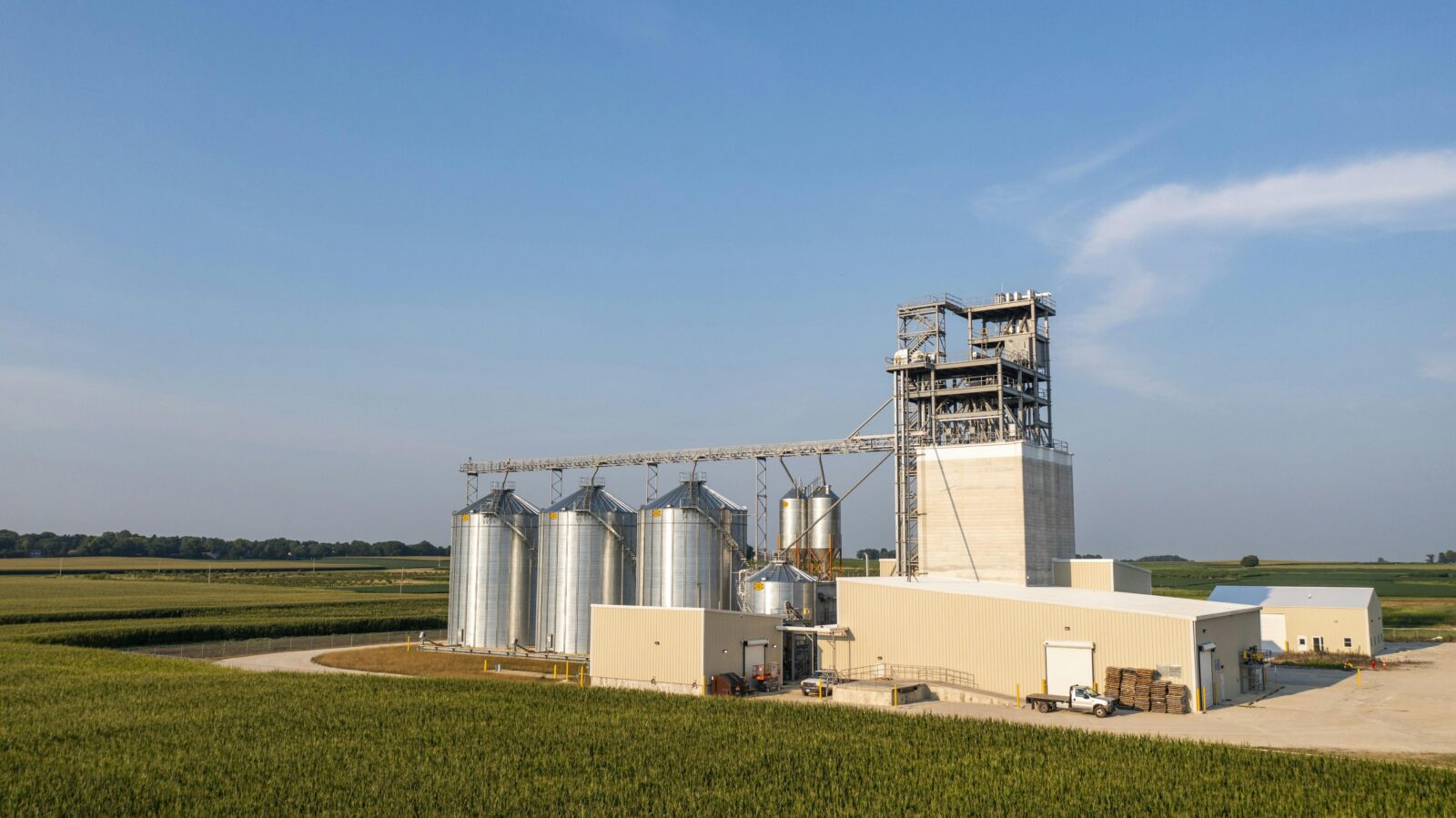
Unlocking Optimal Performance: Essential Criteria for Choosing the Right automatic Rice Mill Plant
When it comes to unlocking optimal performance in an automatic rice mill plant, it’s critical to assess specific criteria that align with your operational objectives.Frist, evaluate the capacity requirements based on your production scale. Consider the daily output you need; as a notable exmaple, a small mill may suffice for producing 2-3 tons per day, while a large operation could require 20-30 tons or more.additionally, examine the efficiency ratings of the machinery; the ideal plant should boast at least 85-90% efficiency. Avoid common pitfalls such as overestimating capacity without a corresponding demand, or failing to consider the energy consumption of the equipment, which can significantly impact your operational costs.Make decisions based on data and projections rather than assumptions.
Next, your choice of grain handling and storage systems also plays a critically important role. Verify the integration potential of the automatic rice mill with your existing supply chain—this includes ensuring that the plant can accommodate your types of rice and packaging requirements. Look for systems with robust automation features, such as automated sorting and quality control, which can drastically reduce labor costs and increase product quality.Additionally, consider the after-sales service and spare parts availability offered by the manufacturer. A plant may function well initially but could face prolonged downtimes due to lack of service support. To illustrate, a reputable manufacturer might provide a two-year warranty along with comprehensive training for operators, which is a huge advantage. Below is a quick checklist to guide your decision-making:
- Capacity & Production Needs: Assess daily tons required.
- energy Efficiency: Look for a minimum of 85% efficiency.
- Integration Potential: Compatibility with your supply chain and rice types.
- Automation features: Sorting and quality control enhanced through technology.
- after-sales Support: Warranty, training, and parts availability.
navigating Challenges: Key Considerations and Pitfalls in Implementing a Rice Milling System
Implementing a fully automatic rice milling system presents various challenges that can impact efficiency and profitability. To mitigate these risks, start by conducting a comprehensive needs assessment that aligns your milling capacity with local demand. Consider factors such as:
- Market Analysis: Evaluate regional demand for different rice varieties. For instance, if local markets favor jasmine rice, invest in equipment specifically tailored to process that type efficiently.
- Equipment Compatibility: Ensure that new systems can integrate seamlessly with existing operations to avoid downtime. Check for compatibility with local power supply and water resources.
- Supplier Reliability: verify the reliability of suppliers for spare parts and maintenance services. Look for providers with a proven track record and strong local support.
Common pitfalls include underestimating maintenance requirements and ignoring training for staff. Regular maintenance schedules must be adhered to, which can be scheduled bi-weekly or monthly, depending on usage. consider developing a simple table that outlines:
| Task | Frequency | Responsible Person |
|---|---|---|
| Cleaning of rice husk outlet | Daily | Operator |
| Inspecting electrical connections | Weekly | Technician |
| Lubricating moving parts | Monthly | Maintenance Team |
Furthermore, implementing a robust training programme for operators can significantly enhance operational efficiency. Find out what works better by encouraging peer learning sessions or utilizing vendor training programs, which often include practical field demonstrations. Equip your team with not only operational skills but also troubleshooting techniques to reduce reliance on external help.
Proven Strategies for Success: Best Practices in Automating Your Rice Processing Operations
To ensure the success of your automated rice processing operations, consider integrating these proven strategies. First, perform a thorough analysis of your current operations, focusing on bottlenecks and inefficiencies. This may involve evaluating equipment performance, workflow layouts, and staff productivity. Taking a data-driven approach is essential; for instance, using software analytics can reveal which steps in the milling process slow you down. Consider implementing a combination of the following best practices:
- Regular Maintenance and Upgrades: Schedule routine maintenance checks for your machinery to prevent unexpected downtimes. For example,an automated sorting machine needs regular calibration to maintain efficiency.
- Staff Training: Ensure your workforce is well-trained on operating automated equipment.A well-informed team can troubleshoot minor issues,reducing the need for expert intervention.
- Inventory Management: Adopt a just-in-time inventory strategy to manage raw materials and reduce waste. As an example, using an automated inventory system can synchronize with production schedules, ensuring you keep only what you need.
Another critical focus should be on selecting the right technology partners. Assess different manufacturers’ equipment by visiting active facilities and discussing long-term reliability and support options. A common oversight is solely focusing on upfront costs instead of the total cost of ownership. Create a comparison table evaluating:
| Equipment | Initial Cost | operating Costs | Expected Lifespan | Warranty/Support |
|---|---|---|---|---|
| Brand A | $50,000 | $10,000/year | 10 years | 5 years full support |
| Brand B | $60,000 | $7,000/year | 8 years | 3 years limited support |
Such a table will help you visualize and compare potential purchases, enabling smarter decision-making. Remember, focus not just on the equipment’s purchase price but also on its overall value in the long term.By adhering to these guidelines, you can optimize your rice mill operations, reduce costs, and maximize profits.
From Vision to Reality: Actionable Recommendations for a Seamless Rice Mill Plant Installation
To ensure a prosperous installation of your fully automatic rice mill plant, focus on the following actionable steps:
- Conduct Site Assessments: Before installation, assess the site’s infrastructure. Check for adequate space, electrical supply, and water sources. Ensure that the drainage system is effective to avoid water accumulation around the machinery, which could lead to operational issues.
- Select the Right Equipment: Research various manufacturers and choose equipment that aligns with your production needs. Check for automation features that minimize human intervention, as in a mill that employs an Integrated Rice Mill System (IRMS) that can handle everything from paddy cleaning to packing.
While the vision for your plant may be clear, the execution often goes awry due to overlooked details. Here are some critical checks to perform:
- Verify Supplier Reliability: Look into the supplier’s past projects and client testimonials. For example,suppliers like Satake or Bühler have proven reputations for quality machinery; compare these with lesser-known brands.
- Plan for Maintenance: Ensure that maintenance protocols are in place from day one. Identify parts that are prone to wear and tear and establish a schedule for their replacement, such as rubber rollers or milling stones. Track their condition through a simple table:
| Component | replacement Interval (Months) | Condition Check Frequency (Months) |
|---|---|---|
| Rubber Rollers | 6 | 1 |
| Milling Stones | 12 | 2 |
By insisting on these checks and balances, you can streamline the installation process and ensure that your rice mill plant runs efficiently from day one. Remember that forward-thinking decisions made at this stage will pay dividends in terms of reduced downtime and increased productivity.
In Conclusion
maximizing efficiency and profitability in rice milling is an intricate but achievable endeavor through the strategic selection and implementation of a fully automatic rice mill plant. By understanding the nuances of production technology, harnessing the latest innovations, and aligning your operations with industry best practices, you can unlock unprecedented levels of productivity and quality. The journey to optimization is not merely about the machinery; it’s also about the vision and commitment to continuous advancement that drives success in today’s competitive market.as you embark on this transformative path, keep in mind that the right decisions today can yield substantial returns tomorrow. Embrace the tools and insights shared in this guide as you take the next step toward a more efficient and profitable future.Your rice mill plant is not just a facility; it’s a cornerstone of sustainability and growth in an ever-evolving industry. Here’s to your success in crafting a legacy of excellence in rice milling!