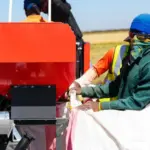
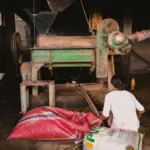
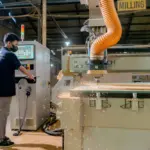
In the vast and intricate world of agriculture, where every grain holds the promise of nourishment and prosperity, innovation frequently enough paves the way for progress.Among the myriad of advancements transforming this sector, jet rice polishers stand out as remarkable tools that have revolutionized the post-harvest phase of rice production. This article embarks on a journey through the realms of modern agriculture, exploring the evolution of jet rice polishers — from their inception to their significant role in enhancing rice quality and sustainability. As we delve into the mechanics, benefits, and impact of these machines, we will uncover how they not only elevate the grains but also contribute to the broader narrative of agricultural advancement and food security.Join us as we trace the path from grain to greatness, illuminating the transformative effects of jet rice polishers in the hands of today’s farmers.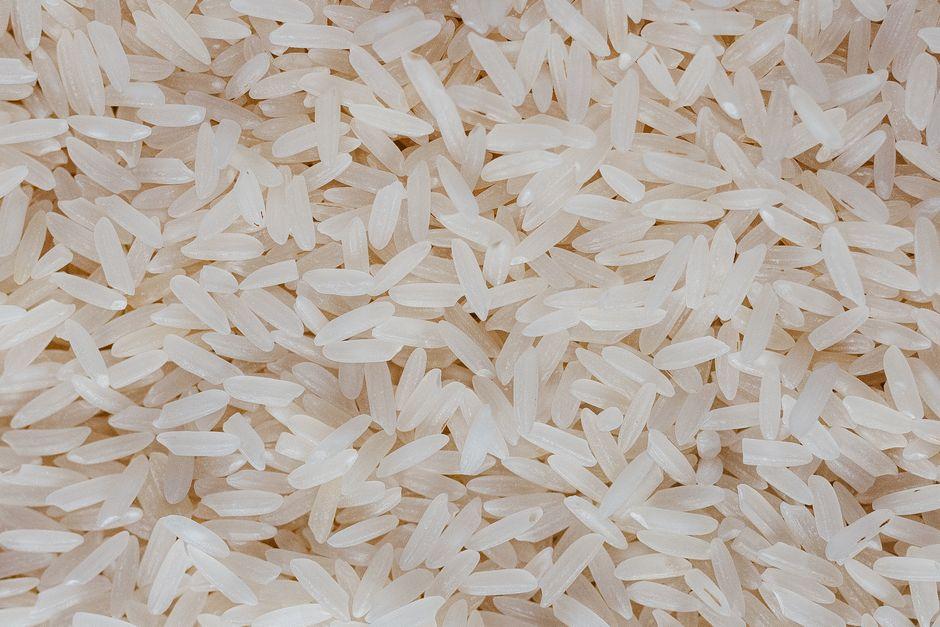
Navigating Tradition and Innovation: The evolving Role of Jet Rice Polishers in Agriculture
The journey of incorporating jet rice polishers into modern agriculture reflects a delicate balance between tradition and innovation. Take, for instance, the story of Rajesh, a farmer in the heart of Bihar, India. For generations, Rajesh’s family relied on manual polishing techniques, which, while rich in cultural significance, left much to be desired in efficiency. One season, after attending a local agricultural fair, Rajesh witnessed a exhibition of a jet rice polisher. The sleek machine, capable of processing more than 1,000 kilograms of rice in a fraction of the time it took him, stirred both excitement and skepticism within him.As he wrestled with the decision to invest in this new technology, he remembered the stories of his father’s struggle with the long hours of polishing rice by hand. Ultimately, Rajesh chose to embrace innovation, and the outcome was transformative; not only did he increase his yield, but he also improved the quality of his final product significantly, allowing him to fetch a better price in the market.
This shift from manual to mechanized polishing exemplifies the evolving role jet rice polishers play in agriculture.As farmers like Rajesh adopt these technologies, they frequently enough find themselves navigating challenges that go beyond mere technique. For instance, neeta, a cooperative leader in Uttar Pradesh, faced pushback from her fellow members who were hesitant about the upfront costs associated with purchasing jet rice polishers. In a community meeting,she shared her own positive experiences and highlighted key benefits,such as:
- Speed: Processing time significantly reduced.
- Quality: Improved rice texture and appearance.
- Market Value: Higher demand and prices for polished rice.
- Sustainability: Reduced waste and better utilization of resources.
After a comprehensive trial run with a shared jet polisher, the cooperative members witnessed firsthand the improved efficiencies. the initial investment, which had seemed daunting, began to look like a pathway not only to better income but also to preserving their agricultural traditions through the lens of modernity. These narratives illustrate how, despite initial trepidations, the integration of jet rice polishers can drive progress while honoring the rich cultural tapestry of farming communities.
Facing the Grind: Challenges in Adopting Jet Rice Technology and the Quest for Quality
The adoption of Jet Rice Technology has been a transformative experience for many rice mills, but it hasn’t been without its hurdles. Consider the journey of rajesh, a rice mill owner in Uttar Pradesh. Eager to enhance the quality of his product and improve his profitability,he invested significantly in a state-of-the-art jet rice polishing machine. At first, the excitement was palpable—the promise of higher-quality kernels and reduced processing times was too good to pass up. though, as production ramped up, Rajesh encountered unexpected challenges: discrepancies in taste, inconsistent milling results, and machinery that required more maintenance than he had anticipated. these issues were compounded by the need for skilled operators familiar with the new technology, a stark contrast to his previous workforce accustomed to traditional polishing methods.
This experience starkly highlighted the reality of technological transition.Rajesh learned that investing in technology isn’t merely about acquiring shiny new equipment; it involves a comprehensive understanding of operational intricacies and an ongoing commitment to quality control. As he navigated through trial and error,implementing regular training sessions for his employees became essential. He discovered that empowering his team with knowledge about the machine’s functionalities not only improved consistency but also bolstered morale. The lessons learned were invaluable:
- Invest time in training to unlock the full potential of new technology.
- Establish robust quality control measures to monitor outcomes regularly.
- Be prepared for initial setbacks and have contingency plans in place.
Ultimately, Rajesh’s journey was a testament to the complexities of modernizing traditional practices—balancing the gleaming promise of technology with the grounded realities of quality assurance and workforce adaptability.
Turning Points in Agricultural Practices: How Jet Rice Polishers Redefined Rice Production
Jet rice polishers have marked a pivotal shift in rice production, particularly in regions where traditional methods were once deemed sufficient. In a small village in india, for instance, local farmers initially approached the idea of using jet polishing technology with skepticism. The elders recalled generations of hand polishing, convinced that modern machinery would lack the delicate touch that retained the grain’s flavour and nutritional value. Yet, when one such farmer, Rajesh, decided to invest in a jet rice polisher after witnessing a demonstration at a regional fair, the results spoke volumes. Not only did his yield quadruple within the first season, but the polished rice also fetched a premium price at the local market, easily outpacing what his neighbors offered. This pivotal moment led to conversations over chai about the unexpected benefits of integrating modern technology into established practices, setting off a chain reaction of conversion throughout the village.
As more farmers adopted jet polishing, contrasting outcomes emerged—some saw immediate financial rewards, while others faced technical challenges. A comparative analysis of Rajesh and his neighbor Anjali highlights the learning curve inherent in new technology. Anjali, hesitant about the machine’s upkeep, initially hesitated, resulting in a subpar output when she finally tried it. Her polished grains lacked the glossy finish expected, leading to a reduction in market demand. This taught her a valuable lesson: the importance of not just adopting technology but also understanding and maintaining it.Over time, workshops were organized in the community focused on maintenance practices, operation techniques, and quality control, helping to bridge the gap between enthusiasm for innovation and the realities of agricultural processes. Ultimately, such decision moments led many in the community to embrace a blend of modern efficiency with traditional wisdom, redefining their collective approach to rice production.
Harvesting Insights: Lessons Learned from the Integration of Jet Rice Polishers in Modern farming
As the sun rises over the vast fields of the Midwestern U.S., farmers like Sarah and Tom are sipping their morning coffee, pondering how to elevate their rice production. After years of backbreaking labor with conventional milling methods, they decided to invest in a jet rice polisher. What they anticipated was a faster process and improved quality; though, the reality was a nuanced experience filled with unexpected lessons. Initially, the couple faced a steep learning curve adjusting their recipes and processing methods, grappling with the balance between speed and quality. For instance,during the first week,they accidentally over-polished their rice,resulting in an unintentional glutinous product that couldn’t be marketed. From this, they learned the invaluable lesson of moderation. By fine-tuning their machinery settings and seeking advice from local experts, they came to appreciate the art of balancing efficiency with quality.
Contrasts emerged as Sarah and Tom began sharing their polished rice with local markets. The feedback was overwhelmingly positive; customers praised the cleaner, shinier grains that retained flavor and sold at a premium price.This newfound demand required them to rethink their logistics. They had limited expectations,believing their output would meet local needs,but they were soon shipping beyond their region,surprising even themselves with the rapid growth in sales. Here, they learned that innovation doesn’t just change processes but can redefine business potential. integrating the jet rice polisher turned out to be more than just about the rice; it fostered community relationships, created new supply chains, and revitalized their farming operation, revealing that small adjustments could yield extraordinary transformations. Through this journey, they gained insight into adaptability—not just in machinery, but in business strategy and customer relations.
Wrapping Up
In the ever-evolving narrative of agriculture, where tradition meets innovation, jet rice polishers stand as a remarkable testament to human ingenuity. This transformative journey from grain to greatness not only enhances the quality of rice but also uplifts farming communities and reshapes food systems around the globe. As we reflect on the strides made in agricultural technology, it becomes evident that such advancements are not merely about improving efficiency; they embody a deeper commitment to sustainability and quality. The rise of jet rice polishers illustrates a pivotal shift—one that embraces both the age-old practices of cultivation and the demands of a modern marketplace. As we look to the future, it is clear that the story of rice will continue to evolve, fueled by innovation while honoring its rich heritage. In this journey from humble grain to cherished staple, every polish tells a story; each kernel carries the promise of nourishment and prosperity for generations to come.