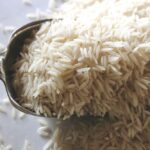
In the world of grain processing, where tradition meets innovation, the journey of rice from field to table is both engaging and transformative. At the heart of this culinary voyage lies an unsung hero: the Jet Rice Polisher. This ingenious machine, with its delicate touch and powerful capabilities, has revolutionized the milling industry, turning humble grains into polished pearls of nutrition and flavor. As we explore the intricate path of the Jet Rice Polisher,we will uncover not onyl its technological advancements but also its meaningful impact on the quality of rice enjoyed by millions around the globe. Join us as we delve into the story behind this remarkable device,illuminating its role in shaping modern milling practices and catering to the ever-evolving demands of consumers. From the fields where rice is nurtured to the plates where it is savored, the journey of grain has never been more compelling.
The unexpected Invention: How a Simple Idea Transformed Rice Milling
The story of the Jet Rice Polisher begins in an unexpected setting—a small milling village in Asia where traditional methods still reigned supreme. Millers relied on time-consuming processes that resulted in rice with varying quality and appearance. One day, a young engineer named Ravi was visiting his family and observed the struggles of local millers. They shared stories of batches lost to unnecessary husks and inconsistent polishing results. He pondered a seemingly simple idea: what if there was a way to utilize air pressure in the milling process? This small insight led him to prototype a machine that would use jets of air to gently polish the rice, preserving its quality while ensuring a uniform appearance. Little did Ravi know that this notion would revolutionize rice polishing and substantially affect the rice industry’s efficiency and output quality.
The true test of Ravi’s invention came when he collaborated with a local miller named Fatima, who was known for her traditional methods but faced increasing pressure to modernize her operations. When presented with the Jet Rice polisher, she felt a mix of skepticism and hope. Would this machine live up to its promises? They decided to conduct a side-by-side comparison: one batch processed the old-fashioned way, while the other used the Jet rice polisher. The results were staggering—while the traditional batch had a 15% higher breakage rate and took twice as long, the Jet Rice produced perfectly polished grains with minimal breakage within just 30 minutes. Not only did this shift expectations, but it sparked a newfound interest among local millers who watched Fatima’s success. As word spread, more millers began to embrace technology, transforming their businesses from small-scale operations to modern mills capable of meeting rising demands, illustrating one vital lesson: sometimes, a simple idea can lead to unexpected breakthroughs.
Navigating the Challenges: Innovations and Setbacks on the Road to Perfection
The journey towards perfecting the jet Rice Polisher is marked by both significant innovations and formidable setbacks, making it a compelling narrative in the world of modern milling. one vivid example is that of a family-run mill in india, which decided to adopt this new technology after years of relying on traditional polishing methods. initially, the prospect was thrilling; the promise of achieving superior grain quality and yield betterment captivated the millers. However, the team soon confronted unexpected challenges in the form of inconsistent performance during the scaling-up process. With varying rice varieties, the polisher’s effectiveness fluctuated, leading to instances where the expected glossy finish turned cloudy. This dissonance between expectation and reality prompted the mill owners to hold a series of workshops with their staff and the equipment manufacturers to identify the causes and propose solutions. Their decision to engage actively with the machinery developers not only improved the polisher’s adaptability to local rice types but also fostered a deeper partnership that spurred innovation in grinding technology.
Another notable case involved a mill operating in the central valleys of California, which emphasized efficiency in its operations. They successfully integrated the Jet Rice Polisher into their line but ran into a bottleneck shortly after installation. The issue lay in the loss of valuable nutrients during the polishing process, which clashed with the mill’s commitment to producing high-quality, health-oriented products. As stakeholders debated weather to revert to the older methods, data gathered during the testing phase revealed the unforeseen advantages of throughput gained by the polisher outweighed the initial nutrient losses when corrected. This led to the implementation of a nutraceutical coating post-polishing, striking a balance between tradition and technology. It served as a critical lesson that innovation is not just about new machinery; it’s about learning and adapting throughout the journey. Having navigated through these challenges, both mills emerged not only more efficient but with a clearer vision of how modernization can meet consumer expectations without compromising the essence of their products.
From Farm to Fork: Real Stories of Local Farmers Embracing Modern Techniques
In the heart of the Midwest, we meet Sarah and John, a husband-and-wife team who have dedicated their lives to sustainable farming. Last summer, they faced a pivotal decision: should they continue their traditional methods of rice production or embrace technology to enhance their yields? After attending a local agricultural conference, they learned about the Jet Rice Polisher— a tool that not only improves the quality of rice but also minimizes waste during processing. Skeptical yet intrigued, they decided to invest in this modern technique, initially feeling apprehensive about the transition. Though, after just one harvest cycle, the couple noticed a remarkable difference: their rice, once viewed as just another staple, transformed into a sought-after product in local markets, commanding a premium price.
Across the country, the crafting of rice also took a new turn in California with Luis, a first-generation farmer. Originally trained by his father in traditional practices, Luis struggled with the labor-intensive methods that often left rice grain uneven and less appealing. he decided to make a change after a farm-to-table event where local chefs highlighted the importance of presentation. By adopting the Jet Rice Polisher, he was able to set consistent quality standards his customers demanded. To his surprise, sales doubled within months as customers returned for their improved experiences. The shift was not without challenges; balancing technology with sustainable practices required ongoing education and adjustment. But the unexpected lesson learned was that embracing innovation does not mean abandoning tradition; rather, it can enhance what’s already being done well.
A New Era in Culinary Heritage: The Shift Towards Quality Over Quantity in Rice Production
The culinary landscape is experiencing a renaissance, particularly in the realm of rice production, where the focus is shifting from sheer output to quality. For generations, rice harvests prioritized the quantity of grain, often to the detriment of flavor, nutritional value, and culinary heritage. However, the emergence of advanced technologies, such as the Jet Rice Polisher, has opened the door to new possibilities. Take, such as, a small family-owned mill in Thailand. once struggling to compete with larger, mass-producing facilities, they decided to invest in this innovative equipment. This decision wasn’t just about polishing rice; it was a commitment to preserving their unique heritage and delivering a superior product. The change had an immediate impact: customers began to notice the difference in taste and texture, leading to an increase in community support and a revival of traditional recipes.
Together, mills that continued to prioritize volume over quality found themselves grappling with reduced market demand. Take the case of a previously accomplished operation in California that relied on outdated processing methods. Initially, their output was impressive, but as more consumers began to appreciate the nuances of high-quality rice, their sales dwindled. In contrast, a nearby mill that embraced the Jet Rice Polisher witnessed growing interest from gourmet restaurants eager to feature rice that truly complemented their dishes. This mill also started educating chefs on the best cooking methods to use with their premium products, showcasing the rice’s potential in culinary applications. With these shifts, it became evident that a focus on quality didn’t just yield a better product—it rekindled a connection to the land, the farmers, and the rich tapestry of culinary traditions that reflect regional identities.
To Conclude
the journey of the jet rice polisher is a testament to the intricate dance between tradition and innovation in the world of milling.As we trace the evolution of this remarkable machine, we see not just technological advancement, but a commitment to quality and sustainability that echoes through the ages. Each grain polished by the jet rice polisher tells a story—of farmers and harvests, of cultures nurtured by rice, and of a global community brought closer together by food.
The impact of the jet rice polisher extends far beyond the milling floor; it signifies a shift towards a more efficient and environmentally conscious future.As we continue to refine our methods and embrace new technologies, we must remain mindful of the legacy that food processing carries in our lives. From field to table, the journey of rice is an ongoing saga, and the jet rice polisher stands as a pivotal chapter in this narrative—one that honors the past while paving the way for future generations.As we reflect on this journey, let us celebrate the intersection of craftsmanship and modernity, and recognize the role each of us plays in the unfolding story of rice milling. For in every bite of perfectly polished rice, we savor not just a meal, but the careful balancing act of history, innovation, and a shared commitment to nourishment and progress.