In the heart of rural landscapes, where golden fields sway gently under the sun, lies a remarkable conversion that is as much about machinery as it is about community. The journey of a mini rice polisher machine encapsulates not just the evolution of a humble grain, but the ripple effects it creates within local lives. From the moment harvested rice leaves the field, it embarks on a path shaped by tradition and technology. This article delves into the nuanced voyage of this compact yet powerful machine, exploring how it elevates local economies, enhances quality of life, and fosters resilience among farmers. Join us as we uncover the layers of this story—where every grain polished not only shines brighter but also paves the way for futures filled with promise and prosperity.
A Fisherman’s Daughter Discovers the Power of Polished Rice
Maria, a skilled fisherwoman from a coastal village, grew up watching her father bring in netfuls of fish, but it was rice that truly sustained her family. For years, they pounded grains by hand, a labor-intensive job that left them weary and with little time for anything else. Entering her mid-twenties,Maria faced a pivotal moment when she learned about a mini rice polisher machine being introduced by a local cooperative. Though skeptical about the machine’s effectiveness, she was drawn to the promise of saving time and producing higher-quality rice. The decision was not simply about convenience; it was about transforming her family’s financial future.
After borrowing a small amount to purchase the polisher, Maria’s expectations were modest. To her surprise, the difference was remarkable. the polished rice emerged gleaming and vibrant, appealing to local vendors who often rejected the dull, unpolished grains. Over the following months, Maria’s sales increased dramatically, leading her to expand beyond just selling rice; she started a small side business distributing polished rice to neighboring villages. The newfound income allowed her to invest in her children’s education, a dream she once thought unattainable. Maria’s story is not just about rice; it embodies resilience, adaptation, and the power of modern tools to uplift even the most traditional livelihoods. This journey highlights the stark contrast between her days of struggling to make ends meet and her current life filled with opportunities.
Turning the Tide: How Local Farmers Embrace New Technology
For many local farmers, the arrival of the mini rice polisher marked a pivotal moment, filled with both excitement and apprehension. Take Rajesh, a rice farmer in a small village. Before adopting the new technology, Rajesh struggled with traditional polishing methods that were labor-intensive and frequently enough resulted in uneven quality. When he first saw the mini rice polisher at a community demonstration, he was captivated. “This could be the solution to my long days and poor yields,” he thought. Yet, as he stood among fellow farmers, doubts crept in. Would the investment pay off? Could he really trust a machine over generations of hands-on experience? After consulting with his family and weighing his options, Rajesh finally decided to give it a shot, convinced it could lead to better profits and less back-breaking work.
Rajesh’s decision turned out to be fruitful. After a few weeks of using the mini rice polisher, he began to notice meaningful changes. Not only did his polishing time decrease from several hours to just over an hour, but the quality of his rice also improved dramatically. A simple before-and-after analysis illustrated this shift:
| Aspect | Before Mini Polisher | After Mini Polisher |
|---|---|---|
| Polishing Time | 4-5 hours | 1-1.5 hours |
| Percentage of Broken Rice | 20% | 5% |
| Market Price per Ton | $200 | $300 |
These changes did not just affect Rajesh’s bottom line; they impacted the entire community. Farmers began sharing thier experiences, urging others to adapt technology rather than cling to outdated methods. unexpectedly, Rajesh found himself becoming a community leader, organizing training sessions and encouraging collaboration among neighbors. The journey reflected a broader transformation: farmers slowly learned to embrace new technologies, reaping benefits that initially seemed unimaginable. As word spread about the mini polisher’s advantages, hesitance faded, replaced by a collective desire to innovate, break old patterns, and uplift one another.
The Day Hope Sparked: Transformations in a Struggling Community
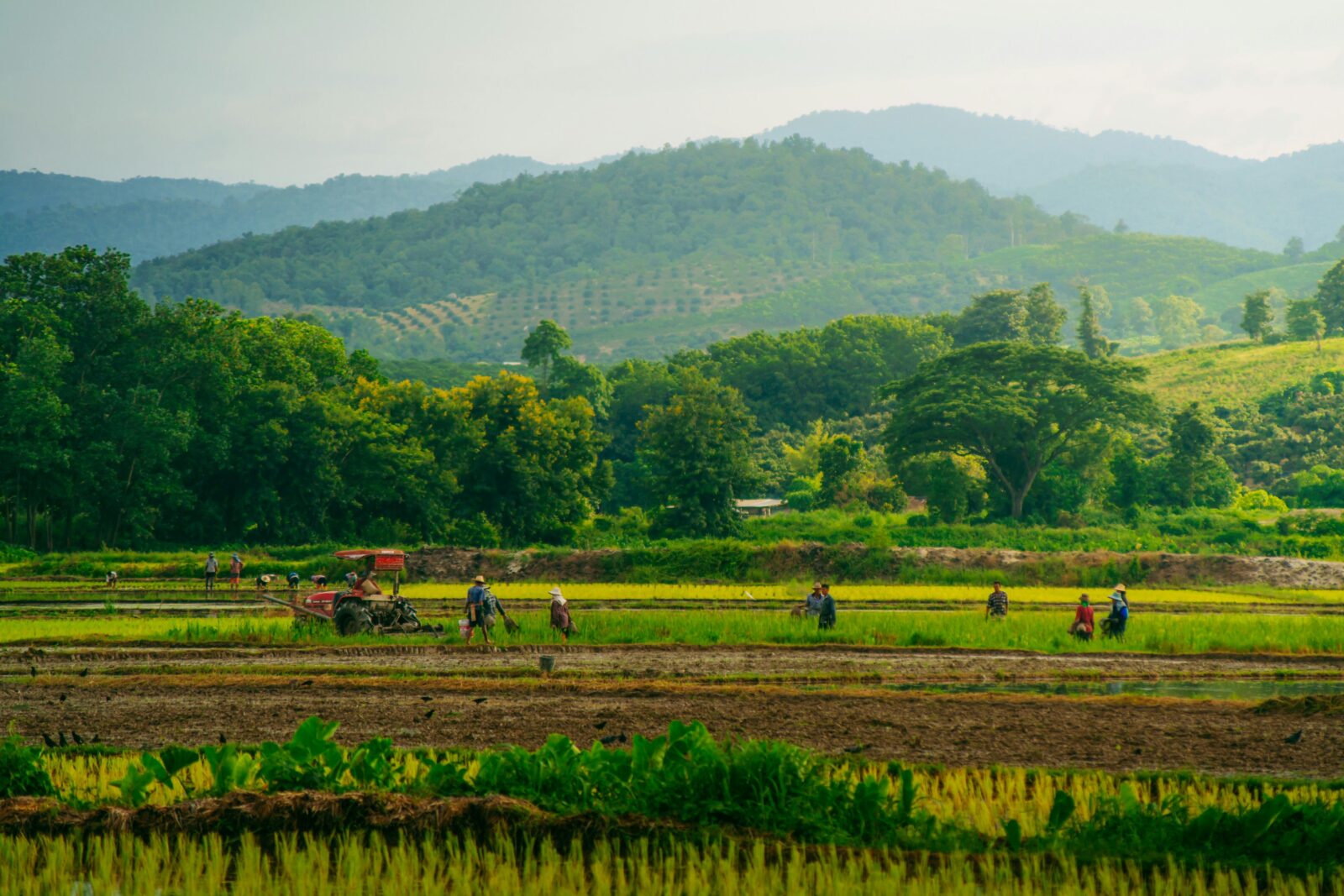
In a village nestled along the banks of a meandering river, the sun would rise slowly, casting a golden hue over the lush green fields. But for many families hear, dawn brought not just light, but a persistent struggle as they faced the harsh realities of agricultural life. The local rice milling process was labor-intensive and outdated. With traditional methods, farmers were left with a low yield of polished rice, which meant less income. Maya, a single mother and a landowner, vividly recalls how her efforts to provide for her two children felt continually thwarted by these limitations.Her dreams of better education for them had always seemed just out of reach, trapped within the cycle of poverty and dependence on intermediary traders who frequently enough dictated terms unfavorably. Then, the day came when a community meeting revealed a possibility—introducing a mini rice polisher machine. It was met with skepticism initially; many believed this was yet another unfulfilled promise. Yet, Maya felt a flicker of hope.
After much discussion and determination, the machine finally arrived—its presence alone sparked curiosity and skepticism in equal measure. Ramesh, a neighboring farmer, hesitated at first, fearing the change would disrupt the community’s traditional practices. However, on one particular day, while observing the results from Maya’s patch of land, Ramesh decided to take a risk. He joined her in operating the machine, which quickly transformed their raw rice into gleaming white grains in record time. The contrast was stark; where they had once received meager sums for unpolished rice, now they commanded higher prices at the local market. The unexpected success reverberated throughout the village, with people beginning not just to share experiences but to actively engage in joint ventures. Over time, lessons emerged: that risk often rewards those who dare, that innovation does not mean abandonment of tradition but rather enhancing it. What began as a skeptical pursuit became a community resurgence, illustrating how collective determination could turn the tides of hardship into a brighter, more promising future.
From Fields to Families: Celebrating the Everyday Impact of a Simple Machine
In rural communities, where rice is a staple food and a primary source of income, the introduction of a mini rice polisher machine has sparked a series of transformative changes. Take the story of Anjali, a dedicated farmer who has spent years harvesting rice with her family. Before the machine came into their village, their family faced a daunting challenge: the long, labor-intensive process of polishing raw rice. With every harvest, Anjali and her family would labor over mounds of grain, manually polishing the rice with rudimentary tools, which often led to significant wastage and inconsistency in quality. The arrival of the mini rice polisher not only saved time but also increased the yield of polished rice. by simply plugging in the machine, Anjali was able to turn her morning hours from arduous labor into free time, allowing her to focus on other income-generating activities, such as weaving and selling handmade crafts. This shift fundamentally changed her family’s dynamic, enabling them to invest more in their children’s education and health.
the impact of this mini machine extends beyond just efficiency; it has created new opportunities for collaboration within the community.Once, Anjali relied solely on her family’s production, but now she has joined forces with neighboring farmers to co-own a rice polishing service. By pooling resources,they have turned their individual harvests into a collective output,drawing on shared knowledge and encouraging mentorship among the farmers. Unexpectedly, what started as a simple way to enhance their product quality has evolved into a bustling community hub. Women like Anjali, who once felt confined to traditional roles, now take on managerial positions in the cooperative, refining not just their rice but also their business acumen. Resulting Benefits:
- Improved rice quality and reduced waste
- Increased income through shared resources
- enhanced community cohesion and empowerment
This real-world contrast between the past struggles and newfound success illustrates how a seemingly simple machine has woven itself into the fabric of local life, enhancing both productivity and personal connections. It is a reminder that sometimes, change begins with the simplest of innovations.
The Conclusion
the journey of the mini rice polisher machine illustrates a transformative narrative woven into the fabric of local communities.from humble grains to gleaming gold, this machine is more than just a technological advancement; it is a catalyst for economic growth, empowerment, and resilience. As we reflect on its impact,we see not only an enhancement in the quality of rice but also a renewed sense of pride among farmers and entrepreneurs alike.
The ripple effects of this innovation extend beyond mere livelihoods, fostering a sense of unity and collaboration among those who embrace it. This journey reminds us that even the smallest of innovations can yield profound changes, illuminating pathways to prosperity for generations to come. As we move forward, may we continue to celebrate and support such advancements that honor tradition while paving the way for a brighter, more prosperous future.