From Grain to Glory: The Transformative Journey of Rice Polishers in a Changing World
In a world where the delicate balance between tradition and modernity often finds itself in tension, the humble rice polisher stands as a testament to resilience and adaptation. This simple yet essential tool has long been an integral part of the rice industry, breathing life into grains that have sustained civilizations for centuries. as we explore the transformative journey of rice polishers, we uncover not only the evolution of their designs but also the broader shifts in agricultural practices, cultural significance, and technological advancements that shape our global food landscape today. From ancient methods steeped in history to cutting-edge innovations, the story of rice polishers is one of ingenuity, reflection, and a relentless pursuit of excellence in an ever-changing world. Join us as we embark on a journey from grain to glory, illuminating the pivotal role these devices play in nurturing both our plates and our cultural heritage.
unearthing Tradition: How Rice Polishers Adapt to a Modern Market
As the sun rises over the lush fields,the rhythm of life in rural Asia transforms. The sound of rice polishers—the heartbeat of local economies—fills small villages, where generations have relied on them not just for their livelihood but for their identity. However, as modern markets demand a more consistent and polished product, conventional rice polishers find themselves at a crossroads.Take, for example, Mrs.Sharma, whose family has operated a rice mill for decades. Initially, her expectations of continued success were anchored in tradition, but as she faced plummeting sales because of more polished competitors entering the scene, it became clear she needed to adapt. Recognizing that her loyal customers had begun to favor convenience, she made the choice to invest in more efficient polishing technology while maintaining the organic methods her customers cherished. this blend of tradition and innovation became a model for others in her village.
the story of Mrs. Sharma is far from unique.Across various regions,similar adaptations are taking place. Young rice polishers, like Vikram, have started leveraging social media to showcase their products, explain the benefits of minimally processed rice, and connect with a broader audience. In this way, the act of polishing rice has transformed from a simple trade to a community-driven cause, emphasizing quality and sustainability. The shifts they are navigating can be summarized through a lens of decision points:
- Invest in New Technology: Many traditional mills have upgraded their machinery to appeal to modern consumers.
- Embrace Marketing: The rise in digital platforms allows local polishers to reach markets beyond their immediate areas.
- Maintain Heritage: Despite advancements, the commitment to preserving taste and nutrition remains a core value.
As they span the gap between generations, each rice polisher’s journey forges a new path, often contrasted with an initially disappointing reality and an eventual realization that adaptation can be a genuinely empowering experience.
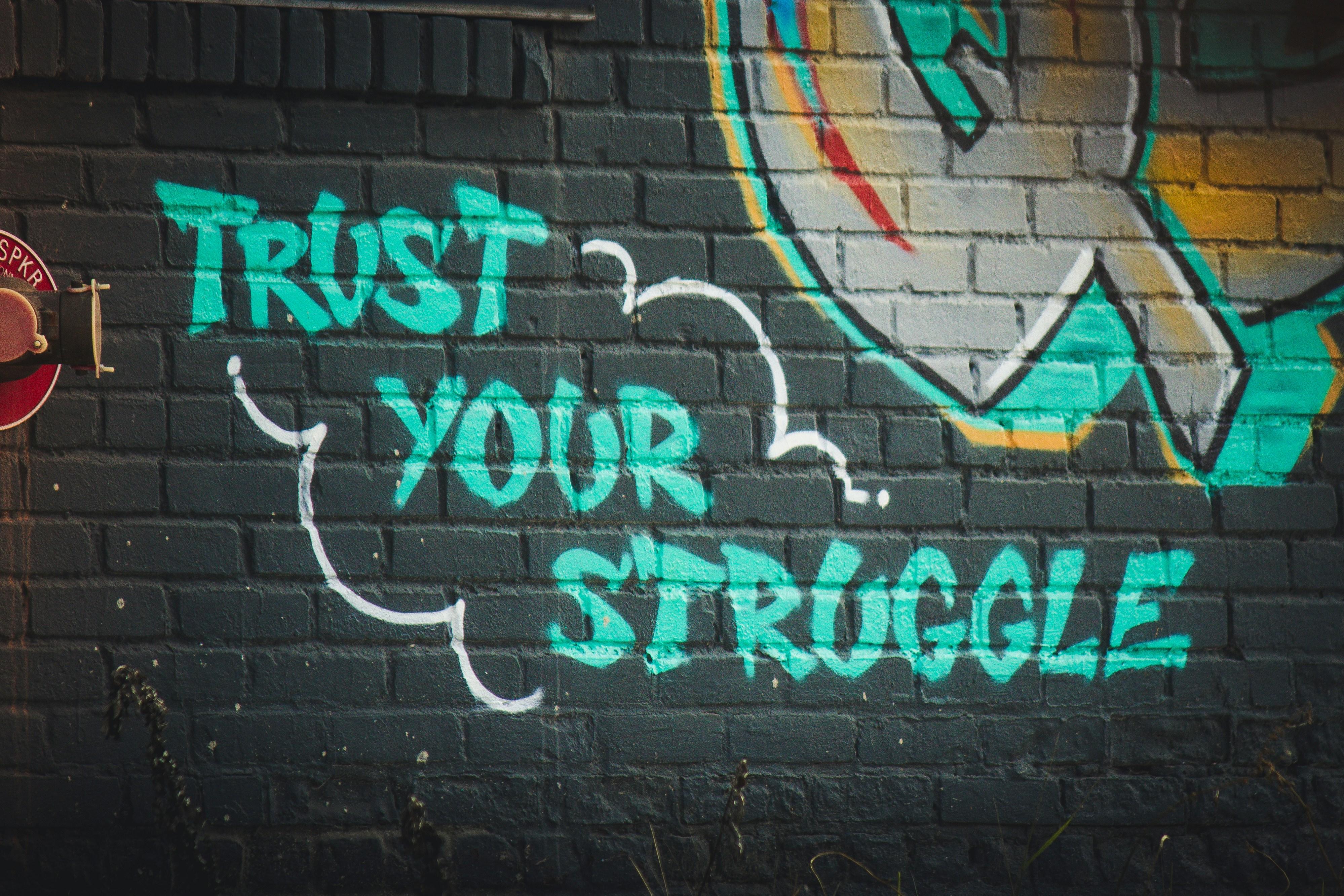
The Struggles Beneath the Surface: Navigating Economic Pressures and Cultural Shifts
The journey of rice polishers is not just defined by the machinery they operate or the quality of their polished grain; it is indeed deeply interwoven with the economic pressures and cultural shifts of their communities. Take Ramesh, such as, a rice polisher from a rural village in India. Onc, he could rely on seasonal demand for his services, providing income that supported his family and allowed him to send his children to school. However, as larger, industrial milling operations have emerged nearby, Ramesh faces dwindling clientele and declining profit margins. he often finds himself at a crossroads: should he invest in newer, more efficient technology to compete, or should he revert to simpler, traditional methods that have sustained his community for generations? His decision hinges not just on economic viability, but on a sense of identity and responsibility to preserve his heritage.The expectations of a stable income clash with the reality of shifting market dynamics, forcing Ramesh to rethink what success truly means.
Moreover, the cultural fabric surrounding rice polisher roles is also undergoing significant transformation. In cities, urbanization is altering dietary habits and consumption patterns, where packaged and instant rice are becoming preferred options for an increasingly busy population. Meanwhile, rural areas are grappling with migration, as young people leave to pursue better opportunities elsewhere. As a notable example, Leela, a former rice polisher, now works in a call center in the city, drawn by promises of a higher salary and modern work-life benefits. This has left her family’s traditional rice polishing business in the hands of the elderly,struggling to adapt to contemporary demands on their own.The contrast between Leela’s aspirations and the lingering practices of her village highlights a tension within societies: the allure of modernity versus the preservation of age-old craftsmanship. These subtle, yet profound shifts reflect a larger narrative that challenges not only the livelihoods of rice polishers but also the cultural identity tied to their trade.
Crafting Identity: Personal Stories of Resilience Among Rice Artisans
Among the bustling rice paddy fields of India, the journey of a rice artisan often tells a deeper story of identity and resilience intertwined with community and culture. Take, as an example, the experience of Sunita, a rice polisher from a small village in West Bengal. For generations, her family has practiced the art of rice polishing—a craft that not only requires skill but also endears one to the rich traditions of their forebears. As Sunita stepped into the role of her forefathers, she realized the balancing act of modern demands versus preserving heritage. While initially, she faced skepticism from her elders about using contemporary techniques, she proved that innovation doesn’t have to mean abandoning tradition. By combining traditional polishing methods with more efficient, eco-kind equipment, she increased her output while maintaining the quality of her product. Each decision moment became a lesson in the value of adaptability, reminding her that resilience isn’t just a trait—it’s a mindset cultivated through experiences.
Then there’s Raj, who faced the stark reality of fluctuating market prices and increasing competition from industrial rice processing.He once believed his village’s small-scale production could sustain itself forever, but a sudden price drop pushed him to rethink his strategies. The turning point came during a local trade fair where he met other artisans sharing their stories of collaboration over competition. Inspired,Raj began creating a cooperative with neighboring rice polishers,pooling resources to purchase raw rice more cheaply and sharing polishing techniques that made them more efficient.This collective approach not only provided a safety net during downturns but also fostered a newfound sense of community pride. It illuminated an crucial lesson: resilience isn’t solely about individual strength; it thrives within a network of shared experiences and mutual support, allowing artisans like Raj to challenge even the toughest expectations.
Harvesting New Opportunities: Innovations Fueling a sustainable Future for Rice Polishers
The rice polishing industry stands at a pivotal juncture, where tradition meets innovation, creating new opportunities for sustainability. Consider the case of a small family-owned rice mill in rural India. for generations, the Patel family utilized conventional polishing techniques, which often led to significant grain loss and environmental impact due to wasteful energy consumption. When they decided to invest in a new, energy-efficient rice polisher equipped with advanced technology, they not only improved their yield but also reduced their energy costs by 30%. This decision transformed their business model and encouraged other local mills to rethink their operations and join the movement towards more sustainable practices.
Moreover, collaboration with agritech companies has become a game-changer in the quest for sustainability. Take, for instance, a startup that developed a smart rice polisher integrated with IoT capabilities. They partnered with local farmers, enabling real-time monitoring of moisture content and optimal polishing settings based on the rice variety. This approach not only led to higher quality rice but also minimized waste. Farmers reported a striking 25% increase in earnings, showcasing how technological integration can redefine expectations. by recognizing the gap between traditional methods and innovative solutions, small mills are discovering that sustainability isn’t just a buzzword; it’s a pathway to resilience and growth in an ever-changing market.
To Conclude
As we conclude our exploration of the transformative journey of rice polishers, it becomes evident that this humble yet powerful tool embodies much more than just a means of achieving culinary perfection. From the fields of grain to our tables of glory, rice polishers have evolved in response to technological advancements, cultural shifts, and the demands of a changing world.In navigating this intricate web of history and innovation, we see how these machines reflect a broader narrative—one of resilience, adaptation, and sustainability. As we move forward, embracing new methods while honoring tradition, the rice polisher stands as a symbol of the delicate balance between progress and preservation. In every polished grain, we not only taste the fruits of labor but also the profound stories of countless hands that have shaped this journey.
As we savor the results, let us remain mindful of the ongoing evolution surrounding us. The journey of the rice polisher, once merely a vessel of grain, now inspires us to appreciate the interconnectedness of our food systems and the stories that enrich our shared experience. In this fast-paced world, may we find glory not just in the polished finish but also in the deeper connections that remind us of our culinary heritage and the continuing legacy of those who have paved the way.