In an age where convenience often trumps craftsmanship, the resurgence of age-old cooking practices offers a refreshing counterpoint. “From Grain to Glory” delves into the remarkable journey of a small yet powerful appliance—the mini rice polisher. As this unassuming device found its way into our modern kitchen, it unlocked a treasure trove of tradition, flavor, and health. This article explores how the simple act of polishing rice transcends mere preparation, transforming our approach to cooking while reconnecting us to cultural heritage and the rich stories embedded in each grain. Join us as we uncover the magic of the mini rice polisher, a bridge between the past and the present, and a catalyst for culinary glory.
Rediscovering the Roots of Flavor through a Tiny Kitchen Revolution
As we embarked on our journey with the mini rice polisher, the promise of enhanced flavor stirred excitement in our kitchen. The idea of freshly polished rice, gleaming and rich in taste, reminded me of visits to my grandmother’s house, where each meal was a festivity of simplicity and tradition. I vividly remember sitting beside her, watching her rinse grains with patient care, ensuring every speck of dust and every husk was eliminated before cooking. We often reminisced about how the act of polishing rice was not merely a routine but an art form that connected us to our heritage. Now, with the mini rice polisher, I stood at the vrey threshold of this tradition, ready to reclaim those roots.
However, the initial excitement had its share of complications. There were moments of trial and error that transformed mundane preparations into eye-opening experiences.The first batch I polished resulted in a texture far different from what I had envisioned. Instead of the fluffy grains I hoped for, the rice came out a little mushy.It turned out I had over-polished, stripping not only the outer bran but also some of the essential nutrients. I marked down key factors for improvement in a notebook:
- Polishing Time: Keep it at 3 minutes for best results.
- Water Rinsing: Use cold water to maintain moisture.
- Grain Types: Experiment with different varieties for distinct flavors.
Eventually, I struck a balance, and with each meal cooked from that delicately polished rice, I felt a deep connection to the past.It was as if each bite transported me back to my grandmother’s kitchen, a reminder that sometimes, the journey of rediscovery is fraught with missteps, but ultimately rich in flavor and tradition.
Facing Frustrations: The Journey from store-Bought Rice to Home-Milled Perfection
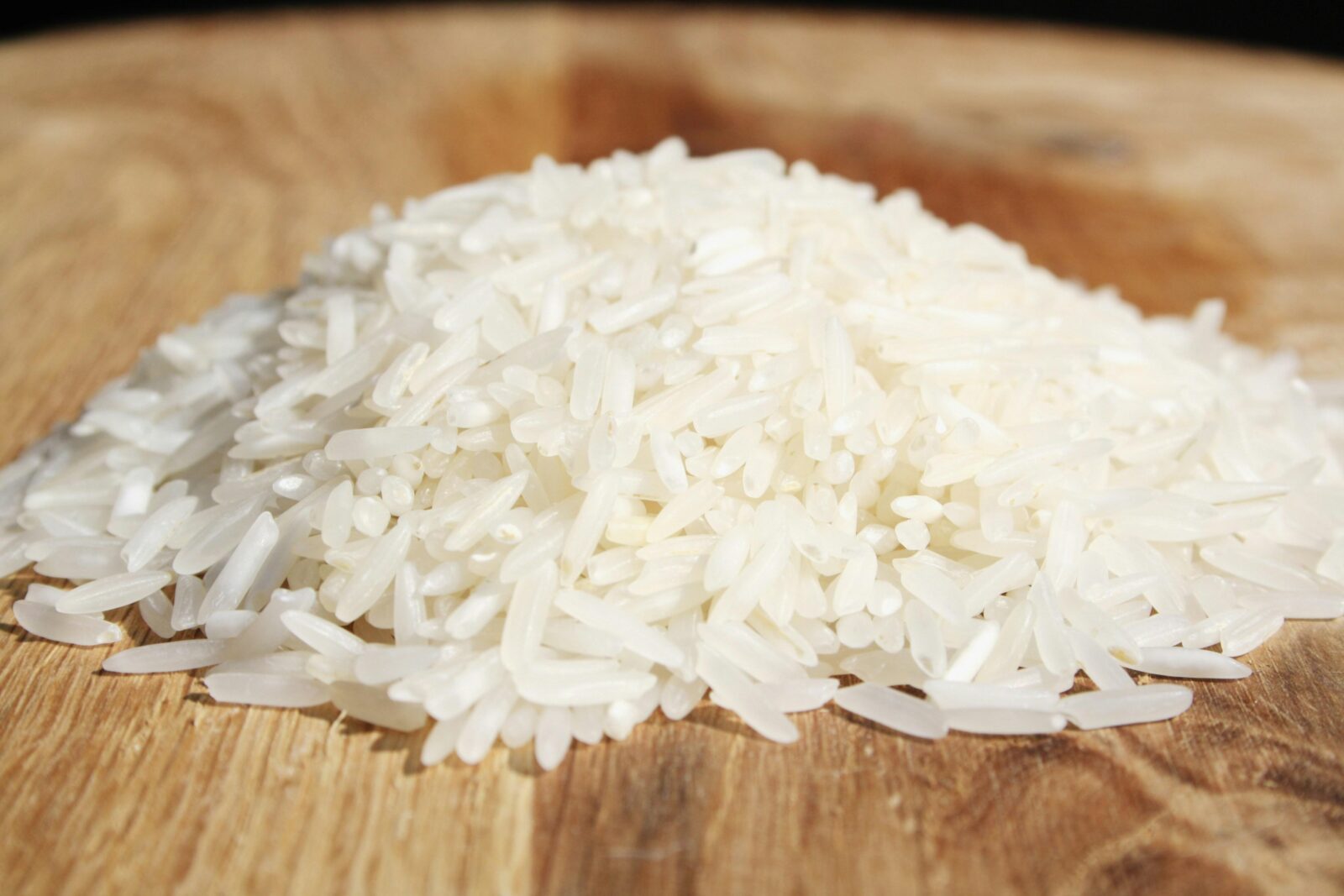
For years, I stood in the supermarket aisle, scanning the seemingly endless options of store-bought rice, from jasmine to basmati, waiting for a whisper of intuition to guide my choice. Each bag promised a delightful meal, yet the reality often fell short; the texture was sometimes gummy, the flavor bland, and the nutritional benefits seemed diminished. I remember specifically a family dinner where I had meticulously prepared a fragrant curry, only to be greeted by a grainy, overcooked bowl of rice that left everyone disappointed. That day, as I cleaned up the kitchen, I couldn’t help but feel a nagging frustration—a gentle push towards something more authentic and satisfying. it was time to reconsider what rice could mean for our meals and our memories.
Transitioning to home-milled rice was not an overnight revelation but a journey that came with its own set of challenges. The first decision was purchasing a mini rice polisher, which I thought would be my saving grace. Yet, the first few attempts were clumsy; I over-processed the grains, resulting in flour instead of the desired polished rice. There’s a reason they say patience is a virtue; with each failed attempt,I learned about the delicate balance between polishing and retaining the grain’s integrity. The lessons unfolded as I became more attuned to the subtleties of the process. I started experimenting, noting the time each variety of rice needed in the polisher to achieve that perfect balance of flavor and texture. After a few weeks, those once-frustrating moments turned into rewarding ones, with a *deliciously fragrant bowl of rice* accompanied by my favorite dish—every grain distinct yet harmoniously cooked. Suddenly, the disappointing supermarket experience became a distant memory, replaced by a reclamation of tradition that not only enhanced our meals but also enriched family connections around the dinner table.
Traditions Rekindled: A Family’s Culinary Adventure with a Mini Rice Polisher
A few months ago, my family found ourselves reminiscing about the aromatic dishes our grandparents used to make. The scent of freshly cooked rice always seemed to linger in the air during family gatherings, sparking warmth and togetherness. As I shared these memories with my wife and kids, we realized how distant we had become from those culinary traditions. Inspired, we decided to dive into the world of rice polishing with our new mini rice polisher. The initial expectation was simple: polish our rice and, in turn, amplify the flavors of our meals. However, as we embarked on this culinary adventure, we discovered that the process was about far more than just enhancing taste; it was about re-establishing our family’s connection to our roots.
As we gathered in the kitchen, the kids were initially skeptical, equating the rice polisher to an ordinary kitchen gadget.But their attitude shifted when they witnessed the conversion of the rice. With every polish, the grains shimmered—a stark contrast to the dull, unrefined rice we typically cooked. Each time we used the polisher, we made a conscious effort to involve the children—teaching them about the types of rice available, the history behind each, and how it plays an integral role in various cuisines. The decision moments—like the first time the kids hesitated between mixing a new spice or trying a family recipe—became teaching opportunities. We eventually created our own unique spin: a fragrant turmeric rice infused with ginger and cardamom.The joy on the children’s faces when they tasted our creation was unforgettable. It wasn’t just rice; it was a rediscovery of tradition and the making of new family memories around the dinner table.
The Taste of Transformation: Celebrating heritage in Every Grain Cooked
As we began experimenting with our new mini rice polisher, it quickly became evident that every grain carried a story—a connection to culture, history, and family traditions long cherished. In one memorable evening, I decided to host a small dinner for friends to introduce them to our freshly polished rice. With the aroma of steaming rice wafting through the kitchen, I shared anecdotes about my grandmother’s cooking, emphasizing how she would select only the finest grains from the local market. I watched as my friends savored every bite, noting how the texture was light yet satisfying, a stark contrast from what they were used to. This transformation was more than taste; it was a celebration of our heritage crafted into every simple grain, a tangible reminder that cooking is an art shaped by experience and tradition.
One notably enlightening moment came when I compared the colors and flavors of unpolished versus polished rice. As I laid out two bowls side by side—one filled with glossy white grains and the other with a more rustic, rough texture—I was filled with anticipation about how they would be perceived. The unpolished grains,with their earthy tones,represented authenticity while the polished group spoke of convenience and modernization. Unsurprisingly, many guests gravitated toward the silky grains, enjoying the nuances of flavor that seemed to amplify every dish. though, the unpolished version sparked conversations about heritage, health, and the essence of simplicity in cooking. through this simple side-by-side, we learned how blending tradition with modernity could enhance our dining experience, reminding us that sometimes, the most profound transformations begin with rediscovering the past.
In Summary
As we close the chapter on our culinary journey through “From Grain to Glory,” it’s clear that the art of rice polishing is more than just a method; it’s a bridge between past and present, a way to reconnect with traditions that have nourished generations. The mini rice polisher has not only transformed our kitchen practices but has also rekindled a passion for cooking that goes beyond mere sustenance—it’s about honoring the grains and the heritage they carry.With each polished grain, we are reminded of the love and care that goes into our meals, the stories behind every recipe, and the simple joy of preserving time-honored traditions in a fast-paced world. As you consider the grains that grace your own table, may you feel inspired to embrace the art of rice polishing, rediscover your roots, and celebrate the rich tapestry of cultures that unite us through food.
So, whether you’re a novice or a seasoned home cook, we invite you to take this journey into the heart of your kitchen. From grain to glory, let every meal be a testament to the beauty of tradition, innovation, and the stories that bind us all.