In the heart of many kitchens around the world, corn flour stands as a culinary staple, providing the foundation for diverse dishes that range from the comforting allure of cornbread to the intricate textures of tamales. But behind this seemingly simple ingredient lies a complex tapestry of processes that transform golden maize into the fine flour we often take for granted. In “Optimizing Corn flour production: An In-Depth Analysis of Maize Milling Techniques, Equipment Specifications, adn Performance Metrics,” we embark on a journey through the art and science of maize milling. this article aims to illuminate the intricacies involved in optimizing production efficiency while maintaining quality. By examining cutting-edge techniques, essential equipment specifications, and performance metrics, we will uncover best practices that not only enhance output but also highlight the importance of innovation in this vital sector. Join us as we explore the multifaceted world of corn flour production and discover how meticulous approach and advanced technology can elevate an age-old tradition into an efficient and impactful industry.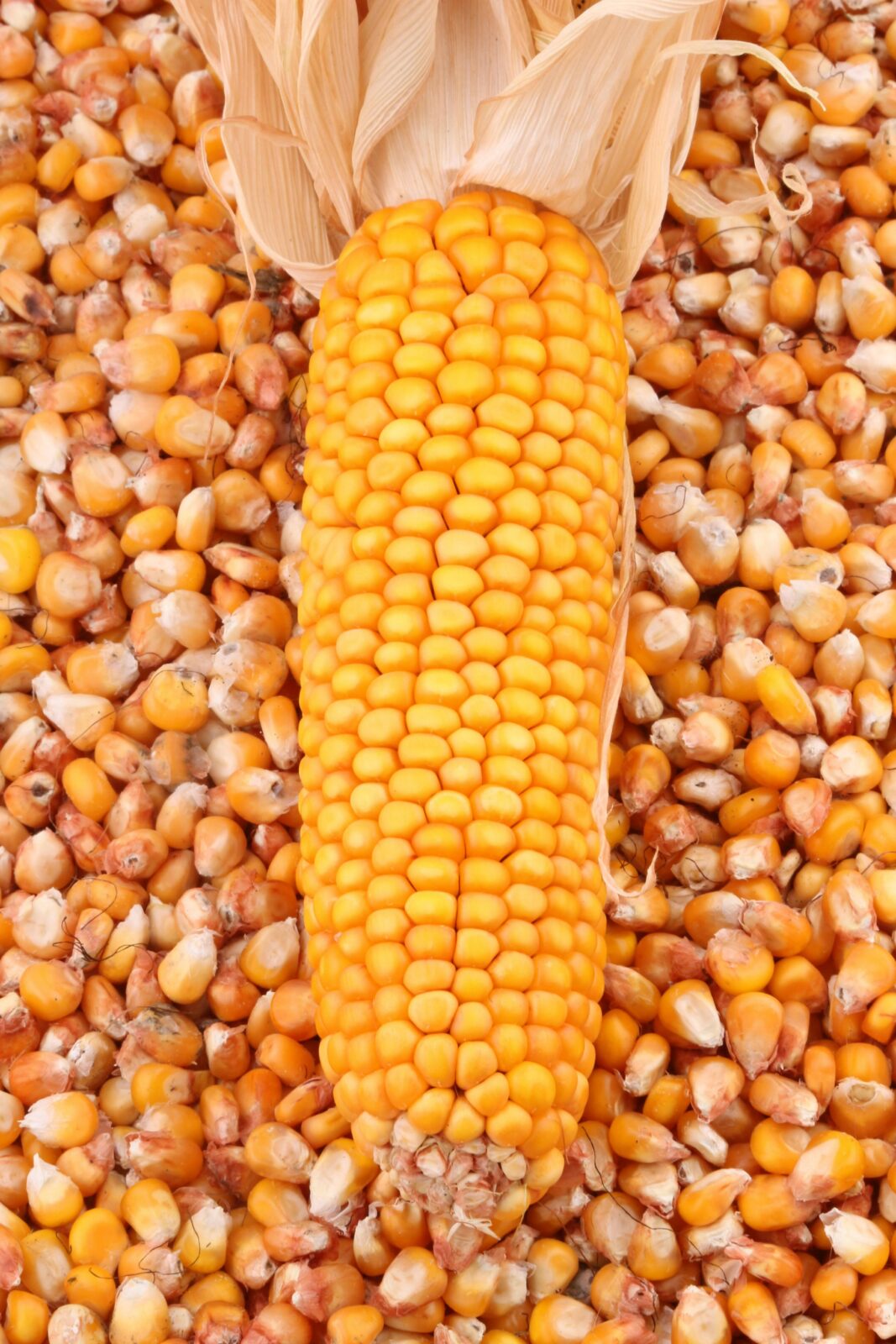
Innovative Approaches to Maize Milling: Enhancing Efficiency Through Advanced Equipment Design
Recent advancements in maize milling have emphasized the growth of innovative approaches aimed at enhancing operational efficiency, primarily through the integration of advanced equipment designs. Key components that contribute to these innovations include:
- High-Efficiency Roller Mills: These units reduce particle size effectively while minimizing energy consumption. Modern roller mills are designed with variable speed motors, allowing for precise adjustments based on desired flour specifications.
- Pneumatic Conveying Systems: These systems ensure the swift and dust-free transport of maize kernels and flour through the milling process. Advanced systems incorporate sensors to monitor flow rates and optimize energy use.
- Impact Mills with Fine Grinding Capabilities: Utilizing high-speed rotors, these mills provide fine flour particle sizes, which are essential for specialty flour markets. The design frequently enough includes adjustable screens to manipulate the final particle size efficiently.
Performance metrics for this advanced equipment can be gauged through parameters such as extraction rates, energy consumption, and throughput capacity. for example, high-efficiency roller mills can achieve extraction rates upwards of 90% while maintaining energy consumption as low as 15 kWh/ton. However, the selection of equipment must also account for limitations such as maintenance requirements and adaptability to different maize varieties. Table 1 illustrates comparisons of various milling technologies:
| Technology | Extraction Rate (%) | Energy Consumption (kWh/ton) | particle Size Variability |
|---|---|---|---|
| Traditional Stone Mill | 75 | 20 | High |
| High-Efficiency Roller mill | 90 | 15 | Low |
| Impact Mill | 85 | 18 | Medium |
the continuous evolution in maize milling technology reflects a commitment to operational efficiency and product quality. Equipment selection should not only focus on immediate cost but also long-term performance and maintenance implications, ensuring optimal processing outcomes in diverse production environments.
Evaluating the Role of Material Properties in Corn Flour Quality and Milling Performance
The quality of corn flour and the efficiency of milling performance are heavily influenced by the inherent properties of the corn grain used in the production process. Key material properties include:
- moisture Content: Ideal moisture levels range between 13-14%. Excess moisture can lead to fungal growth,while insufficient moisture can result in increased breakage during milling.
- Hardness and Kernel Structure: Varieties of maize with different hardness levels yield various flour textures. Harder kernels, such as Flint corn, produce finer flour, whereas softer kernels like Sweet corn produce coarser textures.
- Starch Composition: The ratio of amylose to amylopectin affects the gelatinization and subsequently the cooking properties of the flour. as an example, a higher amylose content typically results in a firmer final product.
When evaluating milling performance,criteria such as extraction rate,energy efficiency,and particle size distribution are crucial. Table 1 outlines the common specifications and their influence on milling outcomes:
| Specification | Impact on Milling Performance |
|---|---|
| Temperature (°C) | Higher temperatures can aid starch gelatinization but may cause proteins to denature, affecting flour functionality. |
| Milling Speed (RPM) | Optimal milling speed varies by equipment; too fast can lead to heat build-up and flour degradation. |
| Screen Size (mm) | Affects particle size distribution; finer screens yield finer flour but may block, reducing throughput. |
Limitations in optimizing flour quality often stem from the variability of maize properties, necessitating tailored milling strategies to match specific grain characteristics. Factors such as equipment wear and tear, or environmental conditions like humidity, can further complicate the consistency of flour quality.

Strategic Analysis of Milling Techniques: Balancing Productivity and Energy Consumption
Milling techniques for corn flour production hinge on the need to balance productivity and energy consumption. A strategic analysis reveals that various milling methods—such as roller milling, hammer milling, and stone milling—differ significantly in their energy efficiency and output quality. For instance, roller milling generally provides high throughput rates while consuming less energy per unit of flour produced compared to hammer milling, which, although versatile, tends to generate greater energy costs due to its multi-stage grinding and associated heat generation. Energy consumption can be evaluated using metrics such as kWh per ton of flour produced, which underscores the importance of selecting appropriate equipment based on production scale and operational constraints.
Criteria for evaluating milling techniques also involve examining the particle size distribution and flour yield. Roller milling is frequently enough preferred for its ability to produce finely milled flour with a consistent particle size that is crucial for downstream baking applications. Comparatively, hammer milling might offer advantages in producing coarse flour with higher fiber content, though at the expense of energy efficiency. Limitations inherent in different milling techniques must be addressed. For example,while stone mills promote natural milling processes and retain grain nutrients,thay may not match the throughput of modern,high-capacity roller mills. Therefore, performance factors to consider include not only energy consumption but also maintenance requirements, operational costs, and the specific quality characteristics of the flour produced.The following table illustrates a comparison of key milling techniques:
| Milling Technique | Energy Efficiency (kWh/ton) | Typical Particle Size (μm) | Flour yield (%) | Notes |
|---|---|---|---|---|
| Roller Milling | 30-50 | 20-200 | 90-95 | Preferred for high-quality flour |
| Hammer milling | 40-70 | 50-500 | 85-90 | Versatile, but higher energy consumption |
| Stone Milling | 50-80 | 100-600 | 80-85 | Retains nutrients, lower throughput |
Comparative Insights into Equipment Specifications: Determining Optimal Milling Solutions for Corn Processing
When evaluating milling solutions for corn processing, understanding the specifications and performance metrics of various equipment is essential for optimizing production efficiency. Key machinery types involved include hammer mills, roller mills, and pin mills, each exhibiting unique operational principles and capabilities. As an example, roller mills often excel in achieving a uniform particle size and finer flour without excessive heat generation, making them suitable for producing high-quality corn flour. In contrast, hammer mills, while effective in pulverizing corn rapidly, may lead to fluctuating particle sizes and temperature spikes that can adversely affect flour quality.
To determine the most suitable milling solution,the following criteria must be considered:
- Milling Method: Whether the process leans more on abrasion (roller mills) or impact (hammer mills).
- Capacity: Measured in kilograms per hour,impacting the scale of production; such as,a high-capacity roller mill may process up to 5,000 kg/hr,while a hammer mill may be limited to 1,500 kg/hr.
- Energy Efficiency: evaluated in kWh per ton of corn milled, where roller mills typically demonstrate superior energy savings due to their lower power requirements.
- Maintenance Needs: roller mills often require less frequent maintenance compared to hammer mills, which can incur higher wear and tear.
- Particle Size distribution: Close analysis shows that roller mills can achieve a narrow particle size distribution,generally ranging from 70 to 100 mesh,essential for consistent flour quality.
However, limitations also merit attention. Hammer mills, while versatile and cost-effective, can produce flour with varying particle sizes, compromising quality for certain applications like baking. Additionally, their operational noise levels are generally higher, which can be a downside in production facilities where noise control is critical. By comparing these metrics—capacity, efficiency, particle size, and maintenance—processors can align their milling choice more closely with their product goals and operational constraints.
The Conclusion
the journey through the intricate world of corn flour production unveils a landscape rich with potential for innovation and efficiency. By meticulously examining the various maize milling techniques, alongside the specifications and performance metrics of contemporary equipment, we have illuminated pathways that can lead to optimized output and enhanced quality. As the demand for corn flour continues to rise, attention to detail in every stage of production—from grain choice to milling process—will be paramount.
As we look ahead, it is indeed clear that leveraging modern advancements while respecting traditional practices can create a harmonious balance, resulting in not just better flour, but also a more sustainable industry. with ongoing research and development, stakeholders have the possibility to drive progress, ensuring that corn flour remains a staple in kitchens worldwide.Ultimately, the future of maize milling is not just about production efficiency, but about creating a more connected and responsible supply chain. As we turn the page, may those involved in corn flour production continue to strive for excellence while nurturing the vital relationship between agriculture and culinary art. Thank you for joining us on this deep dive into the realm of maize milling; may it inspire informed choices and pave the way for continued exploration and improvement in this essential industry.