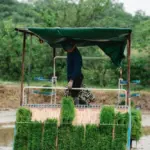
In teh quiet hum of rural landscapes, where golden fields sway gently in the breeze, a transformative journey unfolds—one that intertwines tradition with innovation, labor with technology. “From Fields to Futures: The Heartfelt Journey of Rice Machinery in Transforming Generations of Farmers” explores the pivotal role that modern machinery plays in the lives of farmers, reshaping not just agricultural practices but the very fabric of farming communities. As generations pass down their knowledge and skills, the infusion of advanced rice machinery stands as a beacon of progress, offering hope and efficiency against the backdrop of a changing world. This article delves into the stories of those whose lives have been forever altered by the integration of machinery, highlighting the delicate balance between heritage and advancement that defines the evolving landscape of rice farming. Join us as we navigate this heartfelt journey, uncovering the ways in which technology empowers farmers to cultivate not only crops but also futures.
Cultivating Change: How Innovation in Rice Machinery Empowers Farmers’ Dreams
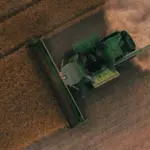
In rural communities across Asia, farmers like Rajesh have long relied on conventional methods to cultivate rice, passing down knowledge from generation to generation.However,Rajesh’s life changed dramatically when a neighboring village introduced advanced rice machinery through a government initiative. This initiative was not just about replacing oxen and hand tools; it represented hope for farmers who dreamt of expanding their yields and improving their living conditions. Rajesh recalls the moment he first witnessed a combine harvester in action during a community demonstration.He had expected it to simply be a faster way to harvest; instead, he found himself captivated by the sheer efficiency of the machine, which could do the work of dozens of farmhands in hours instead of days. That day sparked a decision that would alter the trajectory of his family’s farming legacy, and he joined a local cooperative to invest in shared machinery.
as Rajesh adopted mechanization, the results were not just numbers on a report; they were visceral changes in his daily life. Initially, he anticipated difficulties—perhaps heavier financial burdens, or a steep learning curve—but was pleasantly surprised. With his new equipment, he transformed his plot from a meager one-ton yield to a flourishing three tons per season. Such gains allowed him to provide better education for his children, a dream he thought was far beyond reach. Other farmers in his village soon noticed the transformation, leading to a cultural shift around innovation. They came together in a series of meetings to discuss their experiences. Here’s a snapshot of Rajesh’s journey compared to his neighbor, Mohan, who resisted change:
| Aspect | Rajesh’s journey | Mohan’s Journey |
|---|---|---|
| initial Yield (tons/season) | 1 | 1 |
| Current Yield (tons/season) | 3 | 1.5 |
| Education for Children | Funding for higher education | struggles with basic schooling |
| Community Participation | Engaged in cooperative farming | Isolated, hesitant to share knowledge |
This contrast exemplifies the broader tale of change propelled by innovation in rice machinery. For Rajesh and his fellow villagers,embracing advances in technology meant not just better harvests but also a renewed sense of community and shared aspirations. As more farmers joined the collective push towards mechanization, they began to see the return on investment not only in tangible outputs but also in the dreams they could afford to chase—dreams that could help redefine the landscapes of their lives and futures.
Navigating Adversity: Stories of Resilience in the Heart of Rice Farming Communities
In the heart of rural rice farming communities, resilience often blooms amid adversity. Take, as an example, the story of Maria, a third-generation rice farmer in the Philippines. Last year, an unexpected drought devastated her crops, leading her to face a decision that could alter her family’s farming legacy. Rather than retreating or conceding defeat, Maria invested in modern rice machinery that improved water efficiency. With the help of local agricultural programs, she learned to navigate the complexities of irrigation management. This decision not only salvaged her season but also set her community on a path toward lasting farming practices. By implementing these changes, Maria transformed her family’s challenges into opportunities for growth, contributing to a larger narrative of adaptability in the face of environmental changes.
Similarly, the contrast between expectations and reality played out powerfully in the life of Raju, a farmer from India who relied solely on traditional farming methods. Raju had always believed that “the old ways are the best ways.” However, after observing his neighbor thrive with newly adopted rice machinery, he felt a twinge of doubt. During one pivotal farming season, Raju decided to take a leap of faith, integrating mechanization into his operations. The outcome was striking—his yield increased by over 30%. Armed with this newfound outlook, Raju became a source of inspiration in his village, encouraging others to embrace technological advancements. The lessons he learned about change, resistance to traditional norms, and the importance of innovation resonate deeply within these communities, illustrating how a single decision can ripple through generations.
The Ripple Effect: Unseen Transformations in Generational Farming Practices
The evolution of farming practices in generational setups often unfolds like a rich tapestry, where each thread represents a choice—some daunting, others inspiring. Consider the case of the Patel family in Punjab, India. For generations, they tilled their land using traditional methods: plowing fields by hand, sowing seeds with great care, but ultimately battling heavy seasonal rains that washed away months of hard work. When the Patels acquired modern rice machinery, their initial expectation was simple—to increase yield.However,their experience transformed dramatically. They witnessed an unprecedented enhancement in productivity, allowing them to cultivate three additional crops in a single year, but the real victory lay in the community effect. With the extra grains harvested, they began sharing half with neighbors, illuminating the stark difference between mere survival and collective prosperity.
In another part of Asia, Nguyen, a rice farmer in Vietnam, faced a different set of challenges.After decades in the field, he realized that relying solely on traditional methods constrained his family’s future. The decision to invest in a combine harvester wasn’t a light one—it meant exhausting savings and trusting untested technology. Yet, as the harvester cut through the fields with speed, realization dawned; he wasn’t just investing in machinery but in his children’s education and dreams. Within a year, Nguyen’s farm doubled its yield, allowing him to send both of his daughters to university. His story reflects the contrasting expectations of farming—an expectation often tied to struggle and relentless labor to one of hope and prospect. Here’s a glimpse of the transformation in numbers:
| Year | Traditional Yield (tons) | Yield with Machinery (tons) |
|---|---|---|
| 2020 | 5 | 10 |
| 2021 | 5 | 12 |
This ripple effect of adopting rice machinery is not limited to just family units; it extends to entire communities, changing not merely how they farm but how they think about their futures. Such transformations are often contagious; as more farmers witness the success of their peers, they too begin reconsidering age-old practices, igniting a collective reimagining of what is possible in agriculture.
Harvesting Hope: Personal Journeys of Farmers Embracing Technology for Sustainability
For manny farmers, the journey to embrace technology in their rice cultivation has been fraught with challenges, yet filled with promise. Take the story of Rajesh Kumar, a third-generation rice farmer from Uttar Pradesh. Faced with unpredictable whether patterns and rising costs, he initially resisted the introduction of advanced machinery, fearing it would lead to job losses among his family members. though, a pivotal moment came when a severe drought devastated his 2022 crop. Realizing he needed to adapt or risk losing everything, Rajesh decided to invest in a modern tractor equipped with GPS technology. This decision transformed his approach to farming, allowing him to plant more efficiently and conserve water. By the following harvest season, he not only recovered his losses but also produced 30% more rice than in previous years.
Similar stories echo across the country, showcasing both the struggles and triumphs of farmers who have embraced this technological shift.A group of women farmers in West Bengal formed a cooperative to share the costs of purchasing drone technology for aerial spraying. Initially,they were skeptical about how these types of machines would impact their traditional farming methods. Though, after the first trial run, many were amazed to find that drone-assisted spraying reduced pesticide use by nearly 50%. With lower chemical input, they observed not only healthier crops but also a noticeable increase in customer interest for organic produce. Here, technology didn’t just enhance productivity; it redefined their market position and empowered them to lead their own agricultural narrative.
The Conclusion
As we close the chapter on this exploration of the profound impact of rice machinery on the lives and livelihoods of farmers, we recognize that the journey from fields to futures is one woven with resilience, innovation, and community spirit. The evolution of these machines is not just a tale of technological advancement; it is a testament to the unyielding determination of generations who have toiled under the sun, their hands in the soil, crafting a legacy that transcends time.
Rice machinery has become a bridge between tradition and modernity, transforming laborious practices into efficient processes, yet always honoring the roots of agricultural heritage. As we reflect on the stories of farmers—each one a vital thread in this rich tapestry—we are reminded that progress is most meaningful when it uplifts those it touches.
In this journey, every machine, every seed sown, represents a commitment to nurturing not just crops, but the hopes of families and communities.As we look to the future, it is clear that the relationship between farmers and technology will continue to evolve, fostering sustainability and growth for generations to come.In celebrating this heartfelt journey, we invite you to ponder the future of agriculture. May it be steeped in the wisdom of the past while boldly embracing the possibilities ahead. together, farmers and machinery will continue to shape the story of rice, enriching lives and sustaining the rhythm of the land.