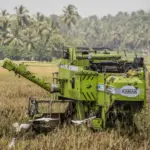
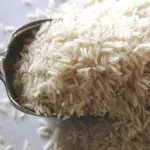
in an era where efficiency and sustainability steer agricultural advancements, teh spotlight shines brightly on innovative tools that revolutionize traditional practices. Among these, mini rice milling machines emerge as game-changers, expertly blending cutting-edge technology with age-old farming techniques. This article delves into the world of mini rice milling,unveiling the intricate workings of these compact powerhouses and exploring the myriad benefits they bring to small-scale farmers and producers. From enhancing productivity and reducing labour costs to ensuring higher quality output, we will guide you through the features and advantages of these remarkable machines. Join us as we unlock the potential of mini rice milling machines and discover how they can transform the landscape of rice production.
Exploring Mini Rice Milling Machines: Understanding their Role in Modern Agriculture
Mini rice milling machines have emerged as essential tools in modern agriculture, notably for small-scale farmers seeking efficiency and cost-effectiveness.These compact devices streamline the rice processing operations by transforming unhusked rice (paddy) into polished rice with minimal labor.Users are increasingly drawn to their advantages, which include:
- Reduced Labor Costs: With automated features, these machines require fewer workers, thereby lowering labor expenses.
- Space Efficiency: Mini rice milling machines are designed to occupy less space, making them ideal for smaller farms.
- Quality and Consistency: Advanced milling technology ensures uniformity in rice quality, enhancing marketability.
- Fast Return on Investment: The low initial investment and high output can yield quick profits for farmers.
However, selecting the right mini rice milling machine involves understanding the specific needs of your operation, as well as potential challenges. Common issues may include inadequate power supply in rural areas or high maintenance costs. it’s crucial to compare different models based on features like capacity, milling speed, and energy efficiency. As a notable example,a machine with a higher output capacity might potentially be more suitable for a farmer processing large quantities of rice,while those prioritizing energy efficiency may benefit from models designed to minimize electricity usage. When considering recommendations, look for locally available machines that come with good after-sales service, which is vital for long-term operation and support.

Transforming Rice Processing: Key Advantages of Mini Milling Technology
Mini milling technology revolutionizes rice processing by offering several key advantages that cater to the needs of small to medium-scale producers. With its compact design, a mini rice mill is not only space-efficient but also economically viable, allowing farmers and entrepreneurs to invest in equipment that suits their operational size without breaking the bank.the technology behind mini milling machines typically includes features such as husking, whitening, and grading capabilities, all integrated into one unit. This streamlined process eliminates the need for separate machinery and reduces manual labor, leading to ample cost savings.
Key benefits of mini milling technology include:
- Improved Efficiency: Mini mills can process large quantities of rice in a shorter amount of time compared to traditional methods, maximizing output.
- Minimal Waste: These mills optimize the removal of husk and bran, providing higher recovery rates and reducing waste compared to conventional milling.
- Energy Savings: Many modern mini milling machines are designed to be energy-efficient, significantly lowering operational costs.
- Adaptability: They can handle various rice varieties and moisture levels, making them adaptable to regional differences in rice production.
- User-Pleasant: With easy-to-use interfaces and maintenance, even individuals with limited technical knowledge can operate mini mills effectively.
comparison with Traditional Milling
| Feature | Mini Milling Machines | Traditional Mills |
|---|---|---|
| Space Requirement | Compact | Bulky |
| Processing Speed | High | Moderate |
| Labour Requirements | Low | high |
| Cost Efficiency | High | Lower |
the advantages of mini milling technology position it as an ideal choice for rice processing, particularly for small-scale farmers and businesses aiming to enhance their productivity and profitability. The technology not only supports local economies by enabling efficient rice production but also promotes a lasting approach by decreasing waste and energy consumption. As the global demand for high-quality rice continues to rise, investing in mini milling machines becomes increasingly relevant for those looking to optimize their operations and meet market expectations.
Common Myths Debunked: What You Need to Know about mini rice Mills
There are several myths surrounding mini rice mills that can mislead potential users. One common misconception is that these machines are only suitable for small-scale operations. In reality, mini rice mills can efficiently process notable volumes of rice, making them ideal for both small-scale farmers and medium-sized businesses. They offer versatility in production capacity, enabling users to customize output according to their needs. Additionally, some believe that mini rice mills compromise on quality. However, advancements in technology ensure that these mills produce high-quality, polished rice with minimal broken grains, often comparable to larger milling systems.
Another prevalent myth is the assumption that mini rice mills require extensive maintenance and expertise to operate. While proper maintenance is crucial for any machinery, mini rice mills are designed for ease of use and maintenance. Many current models come equipped with user-friendly interfaces, making operation simple even for those with limited experience. Moreover, the overall cost of ownership is often underestimated. While initial investments might seem high, the long-term savings—from reduced labor costs to decreased wastage—mean that these mills can be more economical over time compared to traditional milling methods.Here are some key points to consider:
- Processing Capacity: Can handle various scales from 100 kg/hour to 1 ton/hour.
- quality of Output: Capable of producing premium quality rice.
- Ease of Operation: Designed for user-friendly handling; minimal training required.
- Cost Efficiency: Lower operational costs lead to better profit margins over time.
Choosing the Right Mini Rice Milling Machine: Essential Factors and Expert Recommendations
When selecting a mini rice milling machine, it’s crucial to evaluate specific factors to ensure it meets your operational needs and quality expectations. Capacity is one of the foremost considerations; machines can range from small-scale options processing a few hundred kilograms to those capable of milling several tons per hour. Assess your daily production requirements to find a machine that strikes the right balance between efficiency and scalability. Additionally, power consumption is significant for long-term operational cost; consider energy-efficient models that reduce electricity bills and are suitable for your setup. Furthermore,look into the milling technology used,as some machines offer improved husking,whitening,and polishing processes that result in superior rice quality and minimal breakage.
another key element is the durability and maintenance of the machine. Quality build materials often translate to longer service life and lower downtime, an especially important factor for businesses relying on consistent operation. Choose models with readily available spare parts and good customer service history to mitigate future repair costs. It’s also beneficial to read user reviews and expert recommendations, as real-world feedback can highlight strengths and weaknesses you might not consider. For example, here is a simplified comparison of popular models:
| Model | Capacity (kg/h) | Power (kW) | Features |
|---|---|---|---|
| model A | 500 | 5 | Energy-efficient, automatic |
| model B | 1000 | 7.5 | Multiple functions, easy maintenance |
| Model C | 1500 | 10 | High durability, low noise |
By focusing on these essential factors, you can make an informed decision that aligns with both your immediate needs and long-term operational goals. Consulting industry experts or visiting local suppliers can also provide invaluable insight into which machine best fits your requirements.
In Retrospect
As we conclude our journey through the world of mini rice milling machines, it becomes clear that these compact powerhouses are more than just a tool; they are a key to unlocking unprecedented efficiency in the rice processing industry. By combining innovation with practicality, these machines not only streamline production but also empower small-scale farmers and entrepreneurs to compete in an ever-evolving market.As you contemplate the insights and benefits outlined in this guide, consider how mini rice milling machines coudl transform your own operations. whether you’re looking to enhance productivity, reduce waste, or ensure the highest quality of output, investing in this technology might just be the catalyst you need. The future of rice milling is here, and it’s more efficient than ever before. Embrace change, harness the power of innovation, and take your first step toward a more sustainable and successful rice milling venture. The grains of chance are ripe for the harvesting.