in the heart of agricultural innovation, mini rice mills have emerged as powerful tools that are reshaping the landscape of rice processing. As the demand for efficient, enduring, and cost-effective food production continues to rise, these compact machines offer a transformative solution for farmers and small-scale processors alike. with their ability to streamline operations and enhance productivity, mini rice mills represent a bridge between traditional practices and modern technology. In this article, we delve into the benefits and features of these remarkable devices, exploring how they are not only revolutionizing the way rice is processed but also empowering communities and contributing to food security. Join us on this journey to understand how mini rice mills are making a significant impact in the world of agriculture, one grain at a time.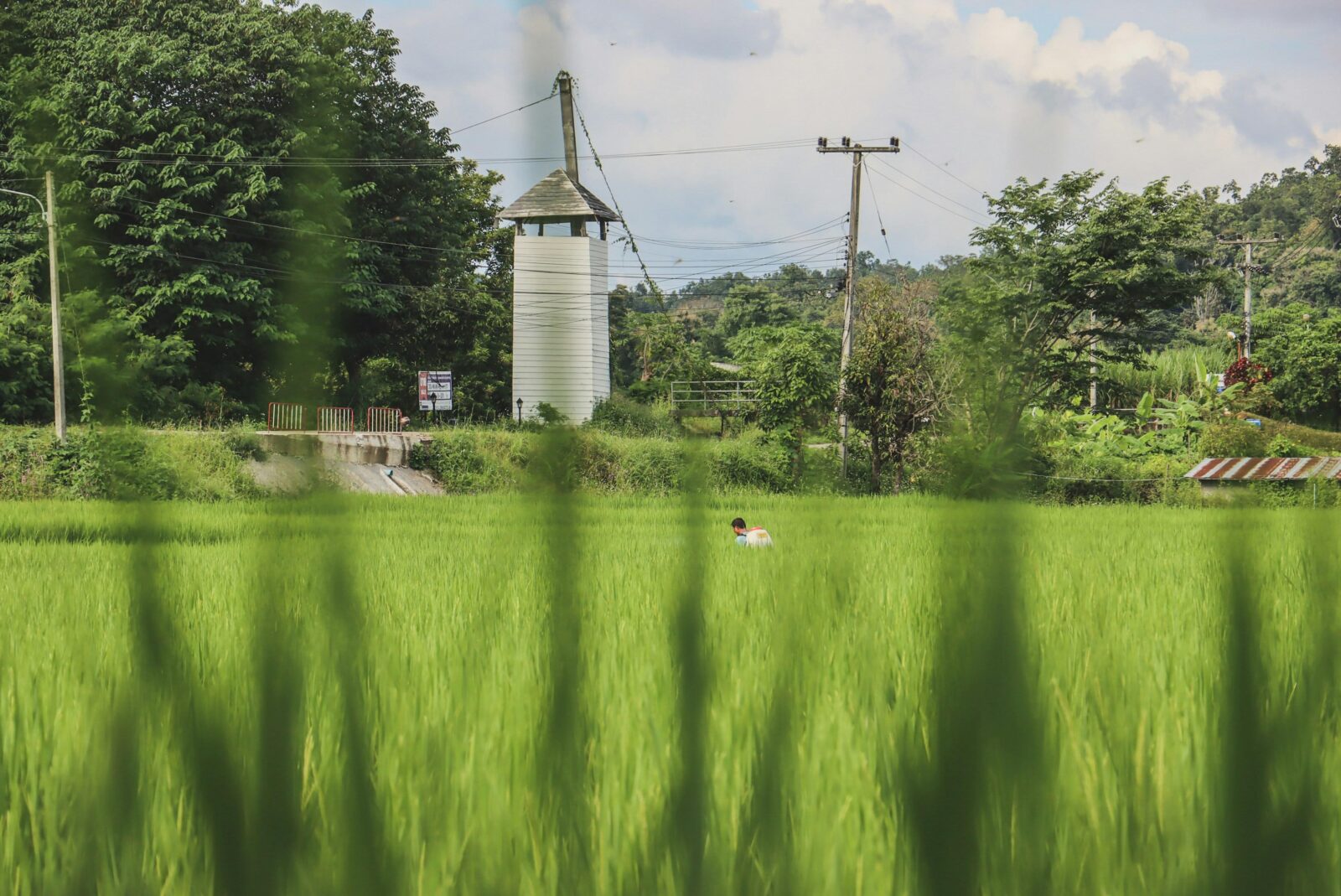
Exploring the Functionality of Mini Rice Mills and Their Role in Modern Agriculture
Mini rice mills have emerged as efficient solutions for rice processing, especially for small to medium-scale farmers. These compact machines serve a dual purpose: they facilitate the milling of paddy rice into market-ready grains and minimize labor costs. Unlike traditional rice mills, mini rice mills are designed for ease of use, requiring less space and energy while still delivering high-quality output. Benefits of adopting mini rice mills include:
- Cost Efficiency: These mills can operate at a lower cost compared to larger milling units, making them accessible for smallholders.
- Versatility: Many models are adaptable and can handle various rice varieties, enriching local crop diversity.
- Fast Processing: Mini rice mills significantly reduce overall processing time, allowing farmers to monetize their harvest sooner.
- Reduced Waste: Modern mini mills are engineered to maximize grain recovery rates,minimizing loss during the milling process.
However, potential users should be aware of specific challenges associated with mini rice mills. The initial investment, despite being lower than traditional mills, may still be considerable for some farmers. Additionally, the performance can vary based on the modelS specifications and the quality of paddy rice processed. To make an informed choice,it’s recommended to compare key features such as:
| Feature | Mini Rice Mill A | Mini Rice Mill B |
|---|---|---|
| Processing Capacity | 300 kg/h | 400 kg/h |
| Power Consumption | 2.5 kW | 3.0 kW |
| Weight | 150 kg | 200 kg |
This comparison allows farmers to select a mini rice mill that best fits their operational needs, enhancing productivity in a modern agricultural landscape.With proper maintenance and use, mini rice mills can be invaluable for small farmers, contributing significantly to local economies and food security.
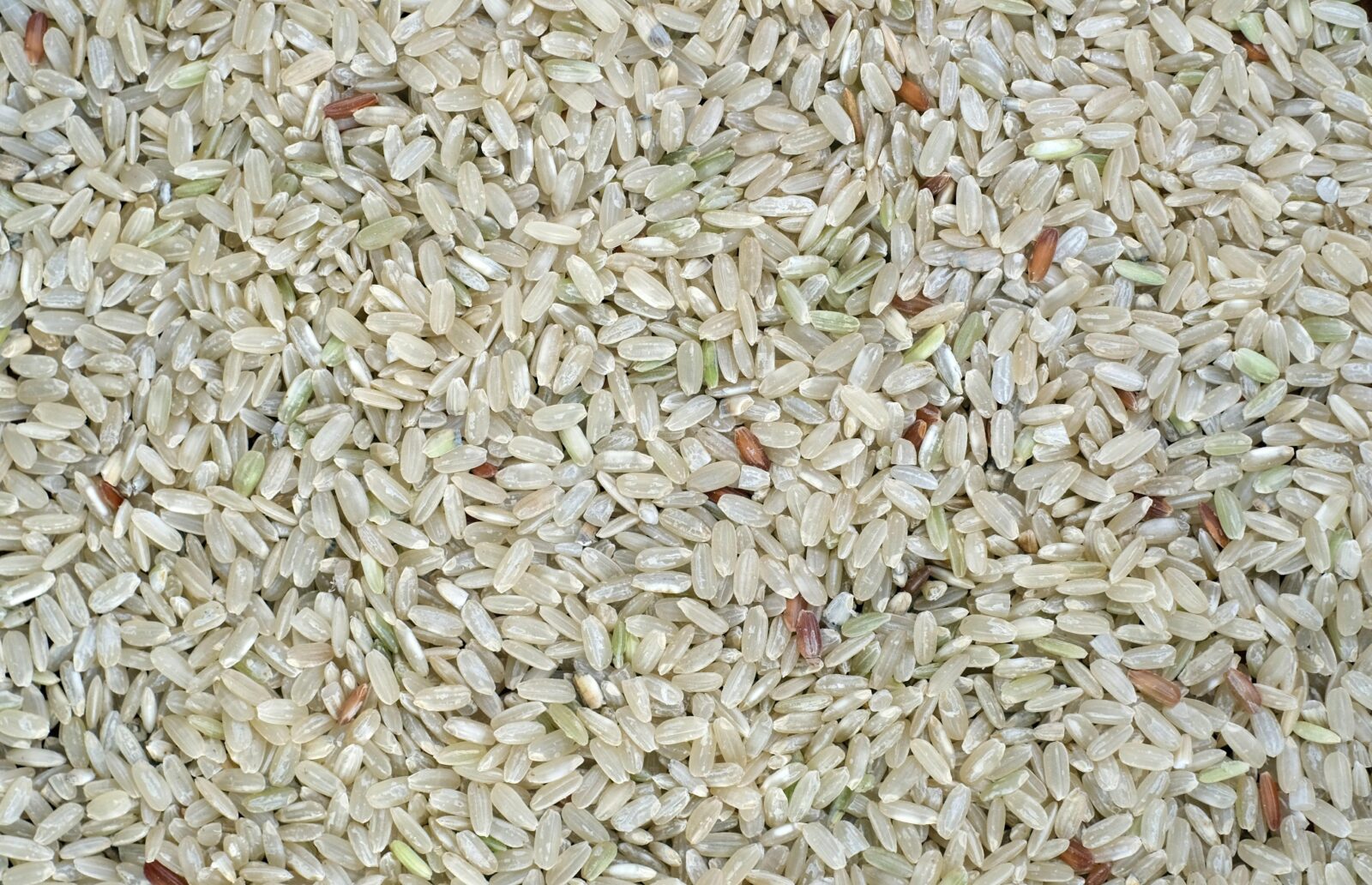
Unlocking the Advantages of Mini Rice Mills: A Game Changer for Rice Processing Operations
Mini rice mills have emerged as a pivotal solution for small to medium-scale rice processing operations,offering a range of advantages that enhance efficiency and accessibility. These compact machines allow rice millers to process unhusked rice into polished rice on-site, significantly reducing transportation costs and losses associated with bulk operations. Here are some key benefits:
- Cost Efficiency: mini rice mills require less capital investment compared to larger, traditional mills. Their compact design also means lower operational costs, allowing small farmers to access modern milling technology.
- Space Saving: With their smaller footprint, mini rice mills are suitable for operations with limited space, making them ideal for rural areas.
- User-Pleasant Operation: Most mini mills are designed to be user-friendly,requiring minimal training. Their simplicity allows operators to focus on production rather than complex machinery.
- Improved Quality: These mills often incorporate advanced features like separate husk and bran outlets, leading to better-quality rice and increased marketability.
though, potential users should carefully assess their specific needs before investing. While mini rice mills offer versatility and convenience, they may not be suited for high-capacity operations typically managed by larger mills. Comparing the productivity rates: a mini mill can process around 100-300 kg per hour, whereas conventional mills might exceed 1,000 kg per hour. Thus, assessing factors such as was to be expected volume and desired processing speed is crucial. A table below summarizes the differences between mini and traditional rice mills:
| Feature | Mini Rice Mill | Traditional Rice Mill |
|---|---|---|
| Processing Capacity | 100-300 kg/hour | 1,000+ kg/hour |
| Initial Investment | Low | High |
| Space Requirement | Compact | Large |
| User Training | Minimal | Extensive |
Debunking Myths Surrounding Mini Rice Mills and Choosing the Right Model for Your Needs
When it comes to mini rice mills, several myths frequently enough cloud the decision-making process for potential buyers. One prevalent misconception is that mini rice mills are only suitable for small-scale farmers and operations. However, these machines offer versatility that can benefit larger operations as well, providing efficiency and cost-effectiveness. Another myth is that mini rice mills require extensive technical know-how to operate. In reality, most modern models come equipped with user-friendly interfaces and comprehensive manuals, making them accessible even to those with limited experience in rice processing. The key is to select a model that suits your specific requirements, such as processing capacity and the types of rice you plan to mill. It’s essential to choose a mill that not only meets your needs but also has good customer support and availability of spare parts.
when selecting the right mini rice mill, consideration of various factors is crucial. Here are some critical aspects to help guide your choice:
- Capacity: Assess how much rice you need to process daily or weekly to ensure you invest in a model that meets your output requirements.
- Efficiency: Look for features like energy-saving mechanisms and high extraction rates.
- Maintenance: Consider mills that are easy to clean and service, ensuring long-term reliability.
- Features: Examine options that include husking, polishing, and grading functions to optimize your processing.
Additionally, comparing different brands and their reputations can offer insights into durability and performance. Reading user reviews and seeking demo sessions can further clarify which model aligns best with your operational goals. Understanding these elements not only dispels common myths but also empowers you to make informed decisions that enhance your rice milling efficiency.
A Comprehensive Guide to Mini Rice Mills: Features that Enhance Efficiency and Quality
Mini rice mills are designed to provide an efficient,cost-effective solution for small-scale rice processing operations. These compact machines primarily serve the purpose of milling rice while minimizing losses and enhancing quality. Key features that contribute to their efficiency include:
- Automated Functions: Many mini rice mills come equipped with automated systems that reduce manual labor and ensure consistent results. Automation streamlines the process from husking to polishing, resulting in higher throughput.
- Multiple Milling Options: Advanced mini rice mills offer various settings to cater to different grains and processing needs, allowing users to mill various rice types or even other grains with ease.
- Energy Efficiency: Modern mini rice mills are built with energy-saving technologies that not only reduce electricity consumption but also lower operational costs, making them viable for small operations.
- Compact Design: Their small footprint makes mini rice mills ideal for farms and small processing units, maximizing space utilization while still providing high output.
When comparing different models of mini rice mills, key performance metrics should be taken into account, including the milling capacity, degree of automation, and quality of the output grain. Notably, the degree of versatility can greatly influence a mill’s long-term value—those that handle multiple grains and offer adjustable milling settings tend to provide a better return on investment. Additionally, regular maintenance and the availability of spare parts significantly impact the operational longevity of these machines. For operators seeking optimal performance, it is indeed recommended to choose models that feature enhanced durability and user-friendly interfaces to ensure both efficiency and quality in rice processing.
Future Outlook
mini rice mills represent a groundbreaking shift in the rice processing landscape, ushering in efficiency, sustainability, and accessibility. As we’ve explored, these compact machines are not just tools; they are catalysts for change that empower farmers and small-scale producers to take charge of their harvests. With features designed for streamlined operation and benefits that extend to local economies and food security, mini rice mills are more than an innovation—they are a vital part of the future of agriculture.
As we continue to navigate the challenges of modern food production,understanding the role and potential of these mini mills will be crucial. They invite us to reimagine traditional practices and embrace technology as we work toward a more resilient agricultural sector. Whether you’re a farmer, an entrepreneur, or a curious observer, the conversion that mini rice mills bring to rice processing is a testament to the remarkable intersection of tradition and technology. Let us remain curious and engaged as we witness the evolution of rice processing in the years to come.