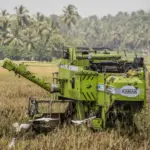
In the vast tapestry of global agriculture,rice stands as a staple that nourishes billions. Yet, the journey from paddy field to dining table is not merely a tale of cultivation; it encompasses a myriad of processes that transform raw grains into the polished product we certainly know and love. Enter the mini rice mill, a revolutionary innovation that is reshaping the landscape of small-scale rice processing. In this article, we will delve into the intricate world of mini rice mills, exploring their benefits and features, while illuminating how these compact powerhouses are redefining efficiency and accessibility for farmers and entrepreneurs alike.Join us as we unpack the mechanics behind this technology and highlight its potential to uplift communities and enhance food security, one grain at a time.
Exploring Mini Rice Mills: Key Features and Advantages for Small Farmers
Mini rice mills are specialized machines designed to process rice at a smaller scale, making them an ideal choice for small farmers looking to enhance their productivity and profitability.These mills typically include features such as easy operation,low maintenance cost,and energy efficiency,which collectively empower farmers to produce high-quality rice with minimal investment. Key components include a husker, a separator, and a polishing unit that work together to efficiently remove husks and polish the rice grains. Smallholders can benefit from the following advantages:
- Cost-Effective Processing: Mini rice mills significantly reduce the costs associated with manual processing by automating rice milling.
- Improved Quality: The precision of mini mills enhances the quality of the rice by ensuring uniform polishing and minimal broken grains.
- Time Efficiency: Fast processing times allow farmers to mill their harvests soon after collection, preserving freshness.
- Gain Independence: by owning a mini rice mill, small farmers can reduce their reliance on local milling facilities, increasing their profit margins.
When compared to conventional milling methods, mini rice mills offer a compact and accessible solution to rice processing. Many modern models are designed for easy mobility,allowing for versatility in operation,which is notably beneficial for farmers with smaller plots. To ensure that farmers select the right mini rice mill for their operations, it’s essential to consider factors such as capacity, energy source (electric or diesel), and ease of maintenance. Below is a comparison table highlighting critical features:
| Feature | Mini Rice Mill | Traditional Mill |
|---|---|---|
| Space requirement | Compact and mobile | large and stationary |
| Processing Speed | Fast (up to 500 kg/hour) | Variable |
| Cost of Operation | Lower | Higher due to labor |
investing in a mini rice mill can be a game-changer for small farmers, equipping them with the tools necessary to maximize their yields and operations, contribute to local economies, and guarantee fresher, higher-quality rice.

Debunking the Myths Around Mini Rice Mills and Their Impact on Local Economies
The perception of mini rice mills often comes with a host of misconceptions that cloud their true impact on local economies. One prevalent myth is that these mills primarily serve large-scale manufacturers and do little for small farmers. In reality, mini rice mills are tailored for small-scale operations, providing access to modern processing techniques that enhance productivity. They enable local farmers to process their rice efficiently and at a reduced cost,keeping more profit within the community. Contrary to the belief that these mills lead to market saturation, they help stabilize local economies by ensuring that locally grown rice meets quality standards, which can improve pricing and market competitiveness for small farmers.
Another common concern is that mini rice mills promote dependency on external processing facilities, undermining local agricultural practices. Instead, they function as a catalyst for community growth. By reducing reliance on distant processing units,these mills encourage local employment opportunities and the growth of supplementary businesses,such as packaging and distribution. Moreover, their relatively low energy consumption compared to traditional mills mitigates environmental impact, aligning with sustainable agricultural practices. Consider the following benefits associated with mini rice mills:
- Cost Efficiency: Lower operational costs and reduced transportation expenses for farmers.
- Quality Control: Farmers can oversee the milling process, ensuring better quality of the end product.
- Local Employment: Creating jobs within the community increases local economic activity.
- Entrepreneurial Opportunities: Potential for new business ventures, boosting the local economy.
In essence, the integration of mini rice mills into local agriculture not only aligns with economic self-sustainability but also promotes social growth within the community, busting common myths along the way.
Navigating Your Options: How to Choose the Right Mini Rice Mill for Your Needs
Choosing the right mini rice mill can be a critical decision for small-scale entrepreneurs and farmers looking to optimize their rice processing operations. When evaluating your options, consider the following key factors:
- Processing Capacity: Determine how much rice you need to mill per day.Mini rice mills come in various sizes, so understanding your production needs will help you choose a machine that is neither underpowered nor excessive for your requirements.
- Type of Rice: Different rice varieties may require specific milling processes. Ensure the mill you select is compatible with the type of rice you will be processing.
- Power Source: Consider whether you need an electric or diesel-powered mill, keeping in mind the availability of power in your area and your budget.
- Portability: If you expect to move your mill frequently, opt for lightweight, compact designs that are easier to transport without sacrificing functionality.
Furthermore, it’s beneficial to assess the features that come with the mini rice mill. Look for options that include:
Automated Controls: Automated features can simplify operations and reduce the need for manual input.
Durability: the materials used in construction can significantly affect the lifespan of the mill. Go for models made of high-quality materials that can withstand rigorous use.
Maintenance Requirements: Check how easy it is indeed to perform routine maintenance. Some models require more upkeep than others, which might affect long-term costs.
| Feature | Importance |
|---|---|
| Processing Capacity | Matches production needs |
| Power Source | Compatibility with local resources |
| Durability | Ensures long-term investment value |
| Maintenance | Affects overall operating costs |
Transforming Agriculture: The Role of mini Rice Mills in Sustainable Rice Processing
Mini rice mills play a pivotal role in transforming agriculture, particularly in the context of sustainable rice processing. These compact milling systems are designed specifically for small-scale farmers, allowing them to process their own rice efficiently while minimizing waste. One of the key benefits of mini rice mills is their ability to reduce reliance on large, centralized milling facilities, which often results in considerable transportation emissions and increased costs for farmers. The localized production not only cuts down on carbon footprints but also enhances the profitability of smallholder farmers by retaining more of the value of their harvests. furthermore, these mills are equipped to utilize renewable energy sources, such as solar power, further supporting sustainable agricultural practices.
In addition to environmental sustainability, mini rice mills address several pressing problems faced by small-scale rice producers. Traditional milling methods often lead to high post-harvest losses due to inefficient processing techniques.With a mini rice mill, farmers can achieve up to 90% recovery rates, reducing waste and ensuring that more of their crop can be sold or consumed.Compared to larger milling operations, which may charge high fees or require large volumes of rice, mini rice mills provide a more affordable and accessible option for farmers. Here’s a quick comparison of the features and benefits of mini rice mills against traditional methods:
| Feature/Benefit | Mini Rice Mills | Traditional Methods |
|---|---|---|
| Efficiency | High recovery rates | Low recovery rates |
| Cost | Lower processing costs | Higher processing fees |
| Sustainability | Utilizes renewable energy | Dependent on fossil fuels |
This data underscores the transformative impact mini rice mills have on agricultural practices, ensuring that smallholder farmers can thrive in a rapidly changing global economy while aligning with sustainable development goals.
The Conclusion
In a world where efficiency meets tradition, mini rice mills stand as a testament to innovation in small-scale agriculture. As we’ve explored throughout this article, these compact powerhouses not only simplify the rice processing journey but also empower small farmers and entrepreneurs with their myriad benefits — from cost-effectiveness to enhanced quality control. With features designed to maximize output and minimize waste, mini rice mills are revolutionizing the way we think about food production and sustainability.
As we look towards the future, the role of mini rice mills will undoubtedly continue to grow, contributing to food security and economic stability for countless communities around the globe. By embracing this technology, we open the door to a new era of rice processing that honors both the grain and the hands that cultivate it. As the world evolves, so too will the tools we use, and mini rice mills represent a significant step forward in harmonizing agricultural practices with the demands of modern life.In closing, whether you’re a farmer, entrepreneur, or simply a curious reader, understanding the intricacies of mini rice mills not only illuminates the path of rice processing but also inspires us all to consider how innovation can foster progress in our communities and beyond.