
In a world increasingly focused on sustainability and self-sufficiency, the humble grain takes center stage, inviting innovation and transformation. As traditional milling practices give way to new technologies, the mini rice mill has emerged as a beacon of efficiency and accessibility. This small but mighty machine is revolutionizing the way we process and enjoy one of the world’s staple foods—rice. Gone are the days when the milling process was reserved for large-scale operations. Today, farmers, entrepreneurs, and home cooks alike are embracing the mini rice mill, unlocking opportunities for fresh, locally sourced grains that cater to individual tastes and needs. Join us as we explore the rising trend of these compact milling solutions and their profound impact on agricultural communities, food systems, and culinary creativity around the globe.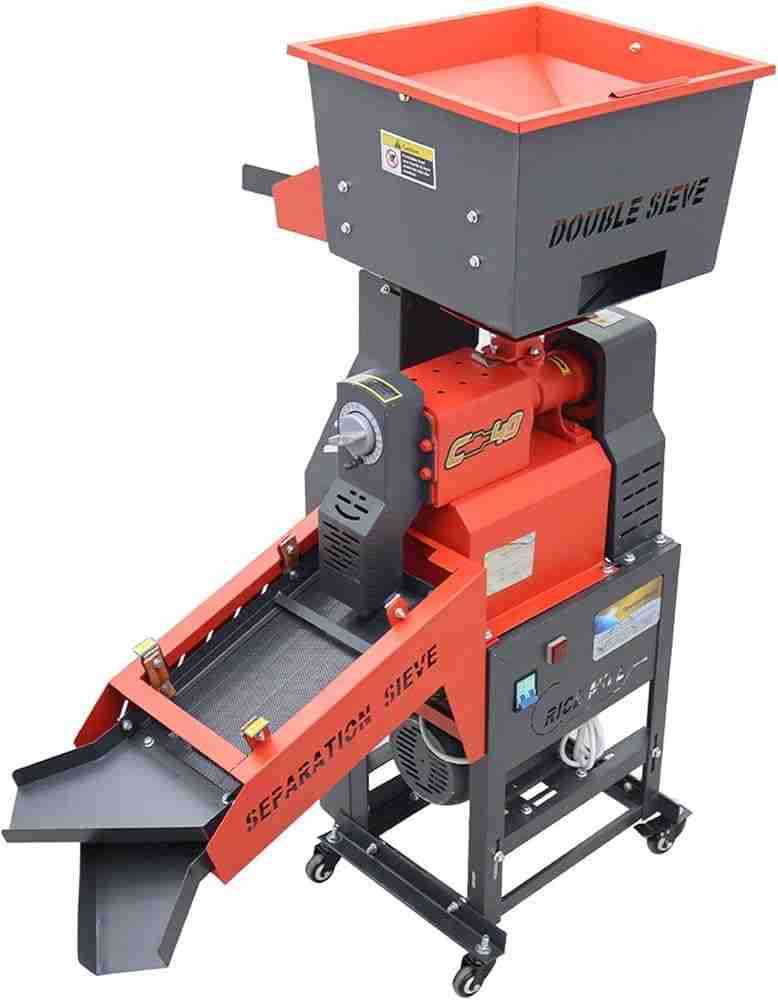
Understanding the mini rice mill and Its Technological Innovations
The mini rice mill represents a significant advancement in the field of grain processing technology, offering an efficient and compact solution for small-scale farmers and agricultural entrepreneurs. This innovative machine has streamlined the rice milling process, reducing the manual labor and time previously required. By integrating various technological enhancements, mini rice mills are equipped with features that ensure higher yield and better quality of processed rice. Some of the core innovations that have redefined the mini rice mill include:
- Automated Milling Mechanisms: Employing sensors and automation to optimize the milling process.
- Energy-Efficient Designs: Utilizing less electricity while maintaining high output levels.
- Compact Build: Allowing for easy installation in limited spaces.
- Multi-functionality: Offering additional processing capabilities like hulling and polishing.
Furthermore, the adaptability of mini rice mills to various rice types and local conditions has made them an essential tool for rice growers. Equipped with advanced features such as adjustable milling settings, operators can customize the machine’s performance for different grain varieties. With the rise of digital technologies, some models even incorporate smart connectivity that allows for remote monitoring and control through mobile applications. To exemplify the versatility of these machines, here is a brief overview of popular mini rice mill models and their key specifications:
| Model | Milling Capacity (kg/h) | Power Consumption (kW) | Features |
|---|---|---|---|
| Mini Pro 100 | 100 | 2.5 | Compact, Energy-efficient, User-friendly |
| Rice Master 200 | 200 | 5.0 | Multi-functional, Automated settings |
| Eco Mill 150 | 150 | 3.0 | Sustainable, Smart connectivity |

The Economic Impact of Mini Rice Mills on Local Agriculture
The emergence of mini rice mills has actively contributed to revitalizing local agricultural economies, offering farmers an innovative means of processing their crops. Previously reliant on larger milling operations often distant from their production sites, local farmers were subject to high transportation costs and prolonged wait times for processing. Mini rice mills have transformed this landscape by providing affordable and accessible milling services right in their communities, reducing logistical costs and enabling quicker access to market. This has led to a considerable increase in income for farmers, allowing them to reinvest in their fields and diversify their agricultural practices.
Furthermore, the economic impact extends beyond immediate profits; mini rice mills facilitate job creation and enhance food security within local communities. As these mills are often operated by local entrepreneurs, they become centers of economic activity that employ local workforce members. This, in turn, fosters a sense of community engagement and promotes sustainable practices among smallholder farmers. The establishment of mini rice mills has also paved the way for value-added products and unique offerings in the market, such as organic rice. Below is a simple comparison of the benefits noted:
| Benefits | Before Mini Rice Mills | After Mini Rice Mills |
|---|---|---|
| Processing Time | Days to Weeks | Hours to Days |
| Transportation Costs | High | Reduced |
| Local Employment | Limited | Increased |
| Market Accessibility | Challenging | Improved |

Sustainability and Efficiency: The Environmental Benefits of Small-Scale Milling
The shift toward small-scale milling practices not only enhances local food systems but also significantly contributes to environmental sustainability. By utilizing local resources, mini rice mills reduce the carbon footprint associated with the transportation of grains over long distances. This localized approach promotes a circle of responsibility and resourcefulness, allowing communities to thrive while minimizing adverse environmental impacts. Additionally, the equipment used in small-scale mills often requires less energy compared to larger industrial counterparts, making them not only more economically viable but also eco-friendly, as they reduce reliance on fossil fuels.
Moreover, small-scale milling enables better waste management practices. The by-products generated from milling, such as husks and bran, can be repurposed efficiently within the community. These by-products can serve multiple purposes, including:
- Animal Feed: Providing a nutritious option for local livestock.
- Organic Fertilizer: Enhancing soil health and productivity.
- Bioenergy: Creating renewable energy sources through biomass.
Implementing small-scale milling encourages holistic agricultural practices, thus supporting sustainable land use and contributing to the conservation of biodiversity. As communities become adept at managing their grain resources, they foster a resilient food system this not only addresses local needs but also champions environmental stewardship.
Guidelines for Small Farmers: Adopting and Maximizing mini rice mill Operations
To harness the full potential of mini rice mill operations, small farmers should consider a strategic approach to both operation and maintenance. Training is crucial; understanding the mechanics of the mini rice mill can significantly enhance productivity. Engaging in workshops or local courses can create a community of knowledgeable operators, fostering an environment of shared learning. Additionally, investing in quality machinery from reputable suppliers ensures durability and efficiency, minimizing downtime and repair costs. Farmers are encouraged to assess their unique requirements and select mills that cater specifically to their production capacity and rice varieties.
Maximizing output also involves establishing partnerships with local farmers and aggregating paddy for collective milling operations. This not only spreads the cost of the investment but also enhances bargaining power in the market. As an extra tip, maintaining a scheduling system for milling times can improve efficiency and reduce waiting periods. Here’s a simple table to help farmers track their production schedules:
| Date | Paddy Quantity (kg) | Milling Output (kg) | Remarks |
|---|---|---|---|
| 01/05/2023 | 500 | 400 | First batch |
| 05/05/2023 | 700 | 560 | Adjusted settings |
| 10/05/2023 | 600 | 480 | Maintenance checked |
The Way Forward
As we stand at the intersection of tradition and innovation, the rise of the mini rice mill symbolizes a promising shift in the agricultural landscape. By redefining how we process grains, these compact powerhouses are not only enhancing the quality and accessibility of rice but also empowering small-scale farmers and local economies. With their user-friendly designs and efficiency, mini rice mills offer a glimpse into a future where technology harmonizes with heritage, ensuring that the essence of agriculture thrives amidst modernization. As we move forward, embracing this transformation could pave the way for sustainable practices, richer flavors, and a community-centric approach to food production. The journey of grains from field to table is evolving, and with it, so are the stories we tell about the connections that bind us to our soil.




