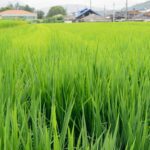
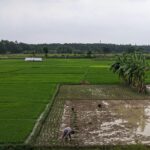
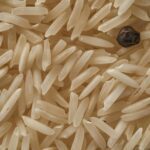
In teh heart of rural landscapes, where golden fields sway gently under the sun, rice has long been a staple of sustenance and culture. However, the journey from paddy too pantry has historically been fraught with challenges, particularly for small-scale farmers striving to make their mark in a competitive market. Enter the mini rice mill—a groundbreaking innovation poised to transform the way rice is produced and processed. This compact powerhouse not only promises to enhance the efficiency and quality of rice milling but also empowers local farmers, elevating their livelihoods while preserving the integrity of traditional farming practices. Join us as we explore the extraordinary impact of the mini rice mill and its role in revolutionizing small-scale rice production, paving the way for a more sustainable and prosperous future.
Innovative Design Features of Mini Rice Mills Enhancing Efficiency
Mini rice mills are at the forefront of modern agricultural innovation, incorporating cutting-edge design elements that significantly boost their operational efficiency.One of the standout features is the compact structure that easily fits in small spaces, making them ideal for rural and semi-urban settings. These machines are equipped with advanced milling technology, which ensures minimal grain loss while maximizing output. The incorporation of features such as automatic rice husking and polishing not only expedites the process but also improves the quality of the end product. other bright design aspects include:
- Energy Efficiency: Many mini rice mills are designed to consume less energy, utilizing technologies such as high-efficiency motors.
- Easy Maintainance: Simplified mechanics reduce downtime and maintenance costs, allowing farmers to focus more on production.
- User-Pleasant Interface: Intuitive controls and displays make it easier for operators of all levels to use the machines effectively.
Furthermore, the incorporation of smart technology in mini rice mills transforms traditional practices, leading to enhanced monitoring and management of the milling process. Some models feature digital platforms that track productivity metrics, allowing users to assess performance in real time. Additionally, manufacturers are increasingly including eco-friendly components that contribute to sustainable farming practices. The potential advantages are further highlighted in the table below:
| Feature | Benefit |
|---|---|
| Compact Design | Requires less space,ideal for small-scale operations |
| Automatic Functions | Reduces manual labor and time spent on processing |
| Real-Time Monitoring | Improves decision-making through data insights |
| Energy Efficiency | Decreases operational costs,benefiting the bottom line |

Cost-Effective Solutions for Small Scale Farmers Through Mini Rice Milling
The introduction of mini rice milling machines presents a transformative opportunity for small scale farmers to enhance their production efficiency and profitability. These compact units are designed to minimize operational costs while maximizing yield.By investing in a mini rice mill, farmers can enjoy the following benefits:
- Reduced Processing Costs: By milling rice on-site, farmers eliminate transportation costs and fees associated with larger milling facilities.
- Quality Control: Farmers can oversee the milling process, ensuring higher quality grain that meets market standards.
- Flexibility in Production: Mini mills allow farmers to process rice in smaller batches, catering to local market demands.
- Empowerment through Ownership: Ownership of the milling process empowers farmers, enhancing their autonomy in the rice production chain.
Moreover, the compact size of mini rice mills makes them accessible not only to individual farmers but also to cooperatives and small rural enterprises. This fosters community collaboration and shared investment. To illustrate the cost savings,consider the following table that outlines potential savings associated with the use of mini mills versus traditional milling methods:
| Milling Method | Cost per Ton | Transport & Fees | Total Cost |
|---|---|---|---|
| Traditional Milling | $50 | $15 | $65 |
| Mini Rice Milling | $40 | $0 | $40 |
As depicted,utilizing a mini rice mill can lead to significant reductions in costs,allowing small scale farmers to reinvest savings into their operations. By adopting such innovative technology, farmers not only secure their livelihoods but also contribute to the resilience of local food systems.
Sustainability and Environmental Benefits of Adopting mini Rice Mills
Adopting mini rice mills not only fosters economic growth in rural areas but also significantly enhances environmental sustainability. These compact machines utilize technology that increases efficiency, resulting in reduced energy consumption and lower greenhouse gas emissions compared to traditional processing methods. With less reliance on large-scale industrial mills, small-scale farmers can ensure that their rice production is more eco-friendly. Key benefits include:
- Reduced Waste: Mini rice mills often have systems in place for capturing and using byproducts, minimizing overall waste.
- Lower Water Usage: These mills typically consume less water during processing, aligning with sustainable agricultural practices.
- energy Efficiency: Streamlined operations lead to lower energy costs,promoting greener production methods.
Furthermore, the localized processing offered by mini rice mills decreases transportation needs, which directly translates to fewer emissions from vehicles. This not only cuts down on the carbon footprint associated with rice production but also strengthens local economies by keeping resources within communities. When farmers are equipped with accessible technology, the advantages ripple out, resulting in:
| Benefit Type | Impact |
|---|---|
| environmental | Lower emissions and sustainable practices |
| Economic | Boost in local economies and farmer income |
| Social | Community empowerment and food security |
Empowering Local Communities: Training and Resources for Maximizing Potential
The introduction of the mini rice mill has become a transformative force for local agricultural communities. By offering affordable, efficient, and compact machinery, these mills enable small-scale farmers to process their rice independently, paving the way for increased income and food security. With proper training programs, farmers can acquire essential skills in operating the mills, managing their output, and understanding market dynamics. The benefits are manifold:
- Enhanced productivity: Farmers can now process their crops immediately, reducing spoilage.
- Increased income: By milling their rice, farmers can sell a higher-value product.
- Local employment: Training opportunities create jobs in the community for mill operation and maintenance.
To support these initiatives, thorough resources such as manuals, workshops, and ongoing mentorship programs should be established. By focusing on sustainable practices and community engagement, the long-term success of mini rice mills can be assured. The potential for collaboration among farmers will also lead to the formation of cooperatives, allowing them to pool resources and share knowledge. A simple table below outlines key training topics that can be covered to maximize the benefits of this technology:
| Training Topic | Description |
|---|---|
| Mill Operation | How to effectively run the mini rice mill. |
| Quality Control | Identifying and maintaining high-quality rice output. |
| Market Strategies | Understanding pricing and demand dynamics. |
Closing Remarks
the emergence of the mini rice mill signifies a pivotal moment in the realm of small-scale rice production. By combining innovation with accessibility, these compact machines are not just transforming the way rice is processed; they are empowering farmers, fostering local economies, and promoting sustainable agricultural practices. As we reflect on the journey of rice cultivation—from field to table—the introduction of mini rice mills stands as a catalyst for change, allowing smallholders to maximize their yield and minimize waste. As we look to the future, the potential for these mini mills to enhance food security and uplift communities remains a beacon of hope in the global agricultural landscape. As we embrace this revolution, let us continue to support and invest in solutions that honour the hard work of farmers and ensure a brighter, more sustainable future for all.