
In the heart of agriculture, where tradition meets innovation, the rice mill stands as a cornerstone of food processing. With rice being a staple food for billions, the efficiency of its processing can significantly impact both local economies and global food security. Enter the mini rice mill plant—a compact, yet powerful solution that exemplifies how modern technology can enhance traditional practices. Designed to meet the needs of small-scale farmers and emerging entrepreneurs, these mini plants streamline the rice milling process while minimizing space and resource requirements. In this article, we will explore the features and advantages of mini rice mill plants, revealing how they are transforming the landscape of rice processing and empowering communities around the world. Join us as we delve into the intricate world of rice milling, where every grain tells a story of sustainability and innovation.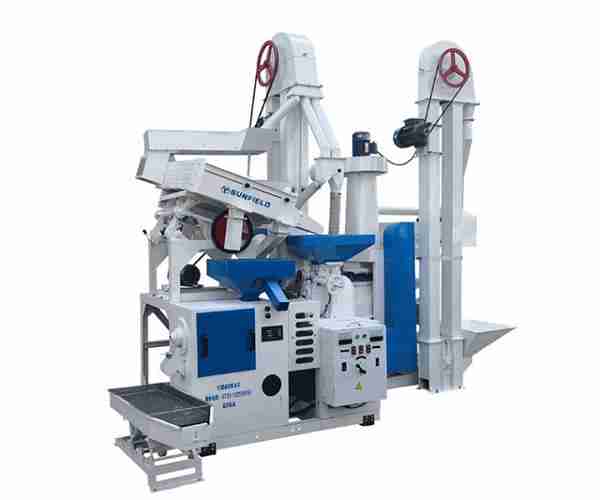
Understanding the mini rice mill Plant and Its Components
The mini rice mill plant is a sophisticated yet compact solution designed to streamline the rice processing cycle efficiently. Comprised of several essential components, this system not only adapts to smaller operational spaces but also maintains the vital productivity levels needed for effective rice milling. Understanding its layout and functionalities can significantly enhance the operational success of rice production ventures. Key components that contribute to its efficiency include:
- Husk Separator: This component removes the husk from the paddy, allowing for higher-quality rice to be obtained.
- Milling Unit: The heart of the plant, where the actual milling takes place, converting paddy into white rice.
- Grain Elevator: A vital feature that aids in transporting paddy to the milling area seamlessly.
- Polisher: Enhances the appearance and quality of the rice by polishing the milled grains.
Employing advanced technology, these mini rice mill plants are engineered to withstand various challenges while ensuring optimal output. Often, the components of these plants are integrated in a way that allows for seamless operations, reducing the need for manual intervention. A brief overview of the plant’s layout might look like this:
| Component | Function |
|---|---|
| Husker | Separates husk from paddy |
| Milling Chamber | Processes paddy into rice |
| Grain Collector | Stores milled rice temporarily |
| Dust Collector | Removes dust and impurities |
This clear understanding of each component’s role ensures operators can maximize the efficiency of their mini rice mill plant, leading to enhanced productivity and profitability in rice processing endeavors.

Advantages of Setting Up a mini rice mill for Small Scale Entrepreneurs
Setting up a mini rice mill offers a myriad of benefits for small-scale entrepreneurs looking to enter the agricultural processing sector. One of the most significant advantages is the reduced investment cost compared to larger, traditional rice mills. This compact solution requires less capital for setup while allowing entrepreneurs to tap into the lucrative rice market efficiently. Additionally, the mini rice mill operates on a smaller footprint, which makes it suitable for local conditions, particularly in rural areas where space may be a constraint. The ability to process rice at a local level not only enhances self-sufficiency but also contributes to rural economic growth by creating job opportunities in the community.
Moreover, mini rice mills provide operational flexibility and can be customized to meet the specific needs of small-scale farmers. They facilitate the processing of various rice varieties, offering entrepreneurs the opportunity to cater to different markets and consumer preferences. Another key advantage is the ability to maintain quality control, ensuring that the processed rice meets market standards and consumer expectations. Here are some of the core benefits:
- Cost-Effective Processing: Lower operational costs due to minimal maintenance and energy consumption.
- Quick Return on Investment: Fast break-even point due to high demand for processed rice.
- Increased Product Availability: Provides a steady supply of milled rice for local markets.
Key Considerations for Optimal Operation and Maintenance
Operating a mini rice mill plant efficiently requires attention to various factors that influence its performance. First and foremost, regular maintenance of machinery is essential. This includes timely oil changes, cleaning of components, and checking for wear and tear. Operators should also ensure that replacement parts are readily available to minimize downtime. Other considerations include the calibration of milling machines to achieve consistent results, which enhances both yield and quality. Proper training in operational procedures ensures that all staff are equipped to handle equipment correctly, ultimately leading to a more productive environment.
Another vital aspect of optimal operation is monitoring the rice processing environment. Maintaining appropriate humidity and temperature levels can significantly affect the quality of the final product. Implementing a workflow system helps streamline operations and improve efficiency. Taking feedback from the production line is crucial for identifying bottlenecks and areas for improvement. Below are some key maintenance activities to consider:
| Maintenance Activity | Frequency | Importance |
|---|---|---|
| Lubricate machinery | Weekly | Prevents wear and tear |
| Inspect belts and pulleys | Monthly | Ensures smooth operation |
| Clean sieve and filters | Every batch | Maintains product quality |
| Calibrate machines | Quarterly | Consistency in milling |
Future Trends in Rice Processing Technology and Sustainability
The future of rice processing technology is poised for transformative changes driven by a blend of innovation and sustainable practices. As the global demand for rice rises, there is a pressing need for solutions that not only enhance efficiency but also reduce environmental impact. Emerging trends in processing technologies are gravitating towards the integration of automation and smart systems, which employ AI and IoT to streamline operations, minimize waste, and optimize energy consumption. This movement not only increases productivity but also supports farmers and producers by offering insights into market trends and crop yields.
Another significant trend is the shift towards eco-friendly processing techniques that focus on sustainability. Many modern mini rice mills are adopting methods that utilize renewable energy sources and innovative waste management systems. This includes converting by-products like husk and bran into biofuel or organic fertilizers, thus contributing to a circular economy. The advancement of precision milling technologies is also enabling processors to extract maximum value from each grain while ensuring the quality of the final product. As the industry evolves, stakeholders are more focused on practices that promote biodiversity and support small-scale farmers, ensuring that rice processing aligns with global sustainability goals.
Key Takeaways
the mini rice mill plant stands as a beacon of innovation in the realm of agricultural processing. Its compact design and efficient functionality make it an ideal choice for small to medium-scale rice producers looking to enhance their operations. As the demand for quality rice continues to rise, this modern solution not only meets the needs of the market but also empowers local farmers and entrepreneurs to tap into their potential. By investing in such technology, communities can stimulate economic growth, promote sustainability, and celebrate the rich heritage of rice cultivation. As we move towards a future where efficiency and quality are paramount, the mini rice mill plant could very well be the key to unlocking a new era for rice processing. Whether you’re a seasoned producer or just starting, embracing this compact wonder may lead to bountiful harvests and a promising journey ahead.




